How to Choose the Best LED Display Panel for Your Business?
Choosing the right LED display panel is not simply a matter of selecting the highest resolution. Your business needs a screen that performs reliably in its actual environment. A bright outdoor billboard faces sunlight, rain, dust, and long viewing distances. An indoor retail display may need finer pixel pitch, quieter operation, and accurate brand colors. The wrong specification can create blurry images, excessive energy costs, or expensive replacements.
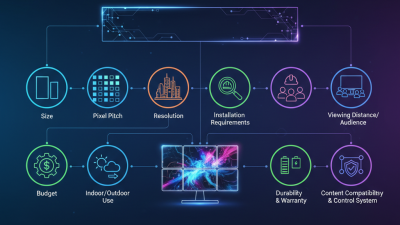
Tom Peraca, a veteran LED display executive, once said, “The best display is the one that fits the application, not the one with the biggest specifications.” That principle remains practical. Buyers should compare pixel pitch, brightness, viewing distance, refresh rate, cabinet size, protection rating, maintenance access, and warranty support. A P2.5 panel may look impressive in a showroom, yet a P4 panel could perform better across a large exhibition hall. More pixels are not always more value.
Budget matters, but purchase price should not control the entire decision. Consider power consumption, spare modules, installation conditions, control systems, and service response. Ask for real demonstrations, not only edited videos. Inspect skin tones, moving text, gradients, and black levels. Small details reveal weaknesses.
There is no perfect panel.
A careful choice may still involve compromise. However, measuring the site first makes that compromise visible. This guide explains how to evaluate an LED display panel with practical criteria, reliable questions, and clear business priorities.
Define Your Business Goals and LED Display Requirements
Before comparing LED display panels, define what the screen must achieve. A retail store may need brighter product visuals. A conference venue may value clear text and wide viewing angles. Outdoor advertising needs weather resistance, distance visibility, and stable brightness control. Write the primary goal in one sentence. Keep it measurable.
Record the audience distance, content type, operating hours, and installation position. Pixel pitch should match viewing distance, not personal preference. Smaller pitch improves close-up detail, but usually increases cost. Measure the real space with a tape measure. Draw sightlines. A screen that looks impressive online may feel oversized in a narrow lobby. Consider maintenance access too. Front service can reduce labor when rear access is blocked.
Set a realistic content and power plan. Static text, fast video, and live data create different performance demands. Ask for brightness data, viewing-angle tests, protection ratings, calibration methods, and warranty terms. Request sample footage in similar lighting. I have seen teams choose a panel by price, then struggle with glare and uneven color. That mistake is avoidable, although specifications cannot predict every site condition. Leave room for testing. That step is often skipped.
Compare LED Display Types, Pixel Pitch, and Viewing Distance
How to Choose the Best LED Display Panel for Your Business?
LED display selection starts with the image type, not the cabinet size. Indoor fine-pitch panels suit conference rooms, retail counters, and control centers. Outdoor SMD panels need stronger brightness, weather protection, and wider viewing angles. COB panels can provide better surface protection, but repairs may be more complicated. Consider the environment carefully.
Pixel pitch controls image sharpness. A practical starting formula is viewing distance in meters multiplied by 1,000, producing an approximate pitch in millimeters. For example, viewers standing three meters away may need around a 3 mm pitch. This is only a guide. Content detail, camera use, and audience movement can change the result. The rule is useful, not sacred.
Grand View Research’s LED Display Market Size, Share and Trends Analysis Report, 2024–2030, places the global market above US$7 billion in 2023 and forecasts continued growth through 2030. That expansion does not make every high-resolution panel suitable. A dense 1.5 mm display may look excellent, yet waste budget in a warehouse viewed from twelve meters. Field installers often test a sample at the real distance, under actual lighting. I would do the same. Brightness can appear impressive in a showroom, then feel harsh in a dark lobby. Also check refresh rate, grayscale performance, service access, and power consumption before approving the final specification.
Evaluate Brightness, Resolution, Size, and Installation Conditions
How to Choose the Best LED Display Panel for Your Business?
Evaluate Brightness, Resolution, Size, and Installation Conditions
Brightness should match the environment, not simply look impressive in a showroom. Indoor displays often need moderate brightness, while sunlit outdoor walls may require much higher output. Measure the screen area at different times of day. Glare from glass can reduce readability, even when the panel seems powerful. Automatic brightness control can also reduce energy use and viewer discomfort.
Resolution depends on viewing distance and content type. A fine pixel pitch suits close-up menus, presentations, and detailed product images. Larger pixel spacing may work well for roadside signs viewed from far away. Screen size should follow the audience’s sightline, available wall space, and viewing angle. Measure before ordering. A large panel can overwhelm a small reception area.
Installation conditions deserve careful attention. Check wall strength, ventilation, cable routes, power capacity, and service access. Outdoor installations need suitable weather protection and secure structural support. Local electrical requirements should be reviewed by a qualified professional. I once underestimated afternoon heat behind a display, and the ventilation plan needed revision. That mistake was avoidable. Leave room for maintenance, cleaning, and future module replacement. Test brightness, color uniformity, and viewing angles after installation, because real walls rarely match the original drawings.
Assess Control Systems, Energy Use, Durability, and Maintenance
How to Choose the Best LED Display Panel for Your Business?
A business LED display should match its control system, energy needs, and working environment. Start by checking how content is uploaded, scheduled, and monitored. A reliable controller supports remote access, clear error alerts, and stable playback during network interruptions. Test the system before installation. Operators should change a message without calling a technician. That detail saves time. I once saw a display fail because its software required an outdated computer. The hardware was strong, but the control process was weak.
Energy use deserves measured attention, not vague promises. Ask for typical and maximum power consumption at your planned brightness level. Automatic brightness adjustment can reduce waste during cloudy mornings or quiet evenings. Check heat output too. Excessive heat may increase cooling costs and shorten component life. A bright screen is not always an efficient screen. This is where many purchasing decisions become imperfect.
Durability depends on location, construction, and maintenance access. Outdoor panels need suitable protection against rain, dust, temperature changes, and strong sunlight. Indoor panels still need ventilation and secure mounting. Inspect cabinet seals, cable connections, and spare module availability before signing an order. Maintenance should be possible from the front if the display sits against a wall. Keep cleaning records and review failed pixels monthly. Small defects can spread unnoticed. A practical service plan should include response times, replacement procedures, and trained staff, not just a warranty document.
How to Choose the Best LED Display Panel for Your Business?
This benchmark compares common commercial LED panel types across control systems, energy use, durability, and maintenance. Scores range from 1 to 5, with 5 representing the most favorable operating profile. Actual specifications should be verified against project requirements and supplier datasheets.
Indoor fine-pitch panels generally provide efficient operation and convenient service access. Standard outdoor panels offer stronger environmental protection, while high-brightness outdoor panels improve daylight visibility but typically require more power. Consider viewing distance, ambient light, weather exposure, service access, and total operating cost before making a final selection.
Compare Total Costs, Suppliers, Warranties, and Long-Term Value
How to Choose the Best LED Display Panel for Your Business?
A low purchase price can hide expensive ownership costs. Compare the panel, control system, mounting structure, installation, shipping, electricity, and future repairs. Ask for a five-year cost estimate, not only a sales quotation. Energy use matters when the display runs twelve hours daily. So does brightness retention. A cheaper panel may need earlier replacement.
Supplier quality deserves equal attention. Request project references, technical documentation, spare-parts policies, and local service coverage. Confirm who handles installation faults and software problems. A reliable supplier explains limitations clearly. Vague promises are warning signs. Check production capacity and delivery schedules before signing. Delays can affect launches, events, or store openings.
Read the warranty line by line. Check its duration, pixel failure limits, labor coverage, transport costs, and response time. Ask whether outdoor exposure, moisture, heat, or continuous operation changes the terms. Long-term value also includes calibration tools, training, remote monitoring, and compatible replacement modules. A common mistake is trusting impressive brightness numbers without testing viewing distance and content quality. The spreadsheet may still be wrong. Leave room for maintenance access and unexpected downtime. A panel that performs steadily for years can be more valuable than one that looks cheaper on day one.
How to Choose the Best LED Display Panel for Your Business? - Compare Total Costs, Suppliers, Warranties, and Long-Term Value
Indicative market benchmarks for professional LED display projects. Actual costs vary by pixel pitch, cabinet size, installation conditions, shipping, taxes, content systems, and local labor rates.
| Display Configuration |
Typical Application |
Recommended Supplier Type |
Panel Cost
(USD/m²) |
Control & Processing
(USD/m²) |
Installation
(USD/m²) |
Estimated Initial Cost
(USD/m²) |
Annual Energy Cost
(USD/m²) |
5-Year Maintenance
(USD/m²) |
Typical 5-Year TCO
(USD/m²) |
Warranty |
Expected Service Life |
Long-Term Value Notes |
Indoor Fine-Pitch LED
1.2–1.9 mm |
Boardrooms, control rooms, broadcast studios, premium retail |
Specialist integrator with calibration and service capability |
$2,000–$4,500 |
$120–$300 |
$250–$700 |
$2,370–$5,500 |
$90–$180 |
$350–$750 |
$3,170–$7,150 |
3–5 years |
8–10 years |
Highest image quality; prioritize pixel uniformity, spare modules, front access, and low-brightness calibration. |
Indoor Standard-Pitch LED
2.5–3.9 mm |
Retail stores, conference venues, schools, corporate lobbies |
Regional integrator or qualified value-added reseller |
$900–$2,000 |
$80–$180 |
$180–$450 |
$1,160–$2,630 |
$70–$150 |
$220–$500 |
$1,730–$3,880 |
2–3 years |
8–10 years |
Often the best balance of viewing quality, acquisition cost, serviceability, and energy consumption. |
Outdoor Fixed LED
6–10 mm |
Building façades, roadside advertising, sports grounds, public spaces |
Outdoor LED contractor with structural and permitting experience |
$700–$1,600 |
$70–$160 |
$300–$900 |
$1,070–$2,660 |
$110–$240 |
$300–$800 |
$1,920–$4,660 |
3–5 years |
7–10 years |
Weatherproofing, brightness control, corrosion resistance, ventilation, wind loading, and access equipment materially affect TCO. |
Outdoor Rental LED
3.9–4.8 mm |
Concerts, touring events, exhibitions, temporary stages |
Rental-event supplier with rapid replacement stock |
$1,100–$2,400 |
$90–$220 |
$350–$1,000 |
$1,540–$3,620 |
$130–$280 |
$450–$1,000 |
$2,640–$6,020 |
2–3 years |
5–8 years |
Fast setup, lightweight cabinets, corner protection, rigging compatibility, and replacement availability are more valuable than the lowest purchase price. |
Fine-Pitch COB LED
0.9–1.5 mm |
Premium meeting rooms, medical imaging environments, executive experience centers |
Certified specialist with factory calibration and trained technicians |
$2,800–$6,000 |
$150–$350 |
$300–$800 |
$3,250–$7,150 |
$90–$190 |
$400–$900 |
$4,100–$9,000 |
3–5 years |
8–10 years |
Excellent close-viewing performance and surface durability; confirm repair procedures and module replacement costs before purchase. |
Supplier and Warranty Comparison
| Supplier Model |
Typical Price Position |
Standard Warranty |
Typical Response Time |
Local Spare Stock |
Best Advantage |
Key Risk to Check |
| Direct Factory Exporter |
Lowest equipment price |
2–3 years |
1–5 business days, remote support |
Usually limited |
Competitive procurement cost and direct technical documentation |
Freight, import duties, installation responsibility, replacement logistics, and warranty-return costs may be excluded. |
| Regional Value-Added Reseller |
Mid-range |
2–5 years |
Same day to 3 business days |
Often available |
A practical balance between product price, local support, and installation coordination |
Confirm whether the reseller or the original manufacturer is responsible for warranty decisions. |
| Certified Systems Integrator |
Mid- to high-range |
3–5 years |
4–24 hours under service contract |
Typically available |
Single-point responsibility for design, integration, commissioning, and support |
Higher upfront cost; verify subcontractor qualifications, service-level exclusions, and renewal fees. |
| Event Rental Specialist |
High purchase price or rental fee |
2–3 years |
Immediate to 24 hours |
Strong local stock |
Rapid deployment, replacement inventory, and experienced event technicians |
Equipment may be optimized for temporary use rather than continuous fixed installation. |
TCO calculation basis:
Five-year total cost of ownership includes estimated initial cost, five years of energy consumption, and routine maintenance. It excludes financing, taxes, content production, permits, major structural reinforcement, network infrastructure, and revenue generated by the display.


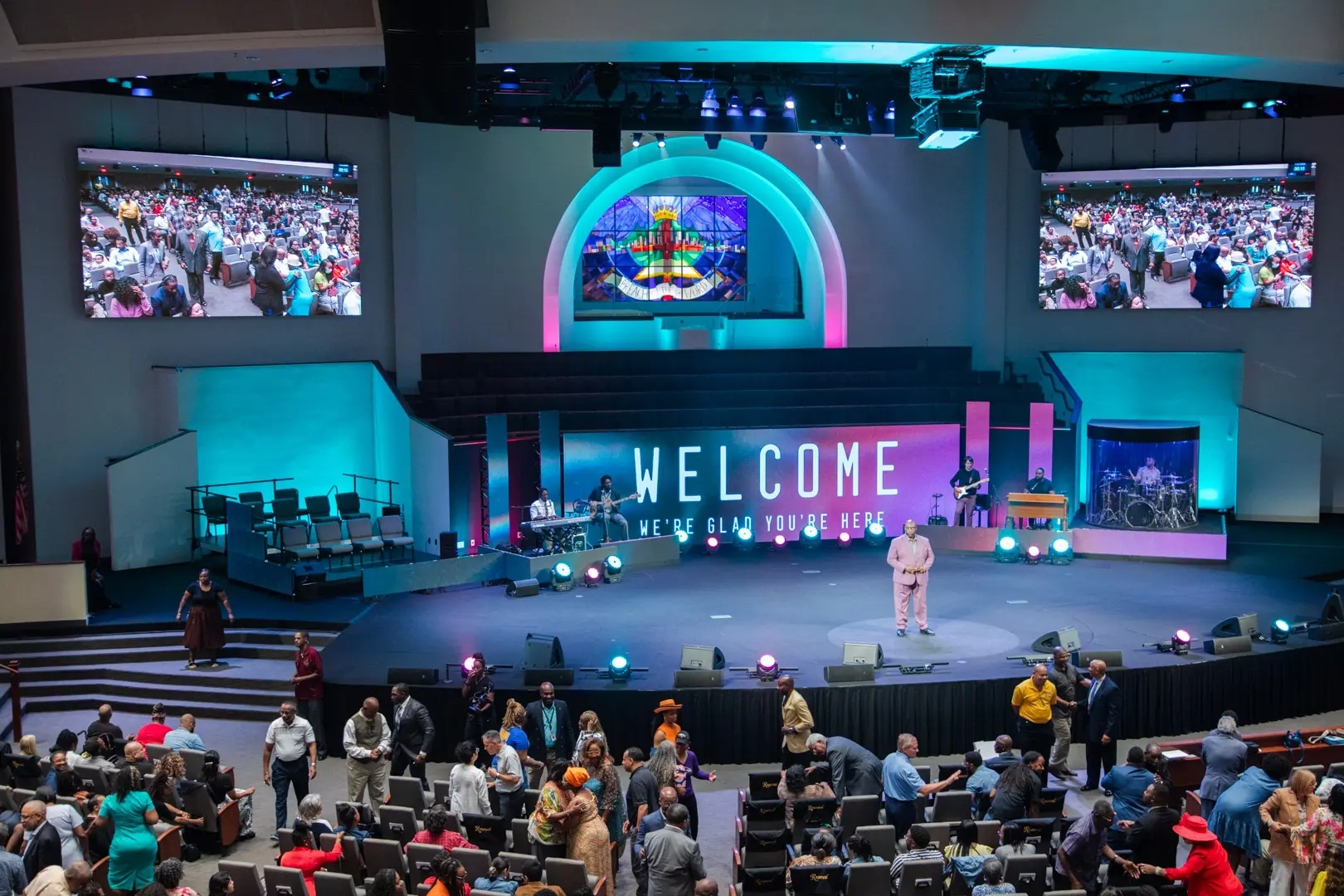
 House of Worship
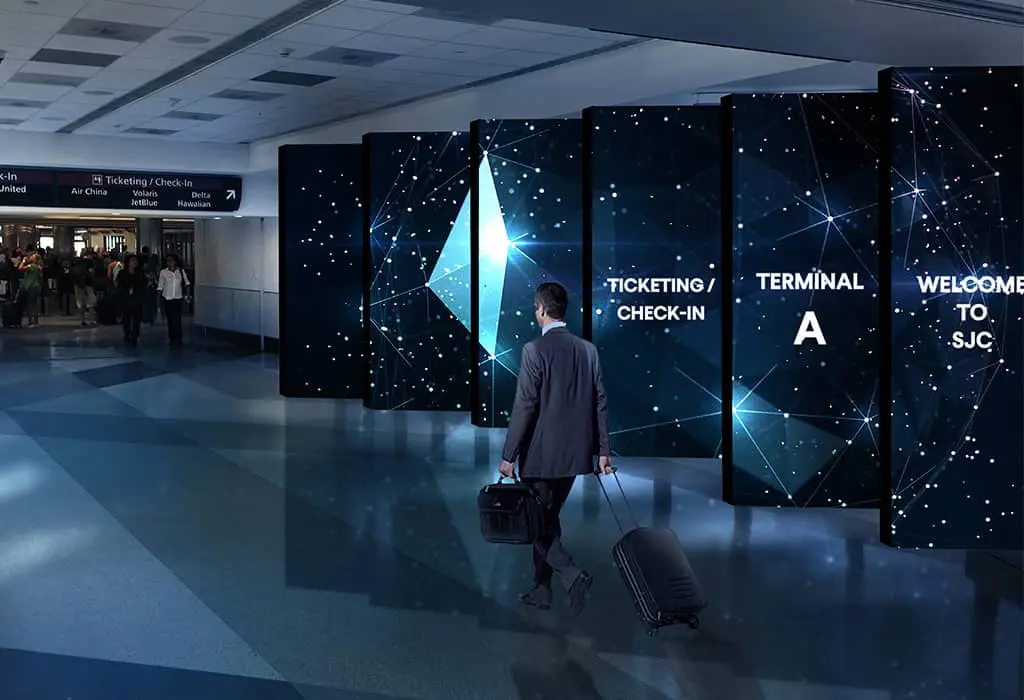
 Transportation
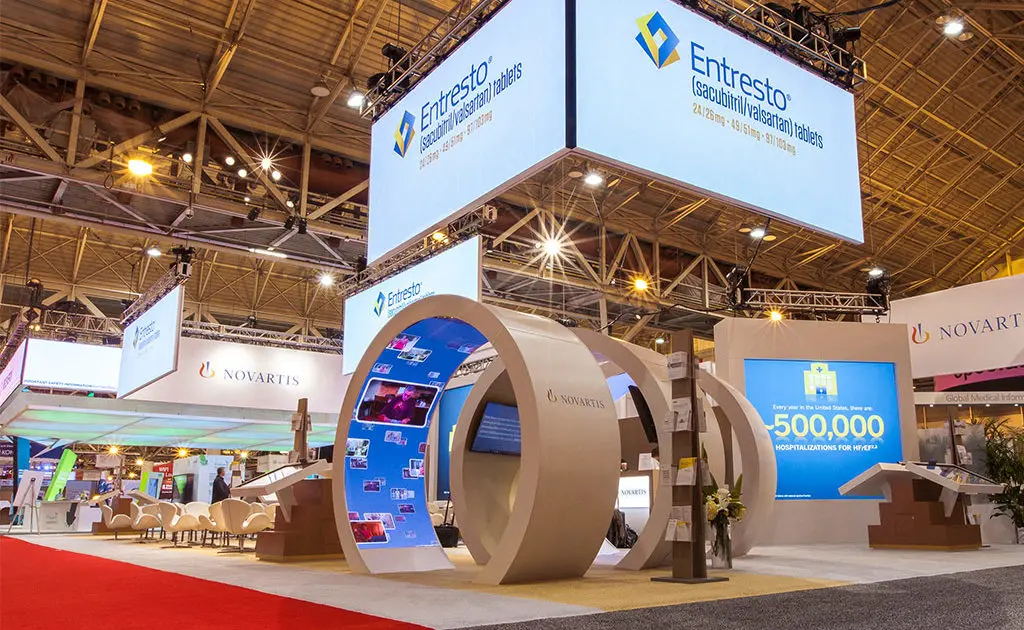
 Trade shows led display
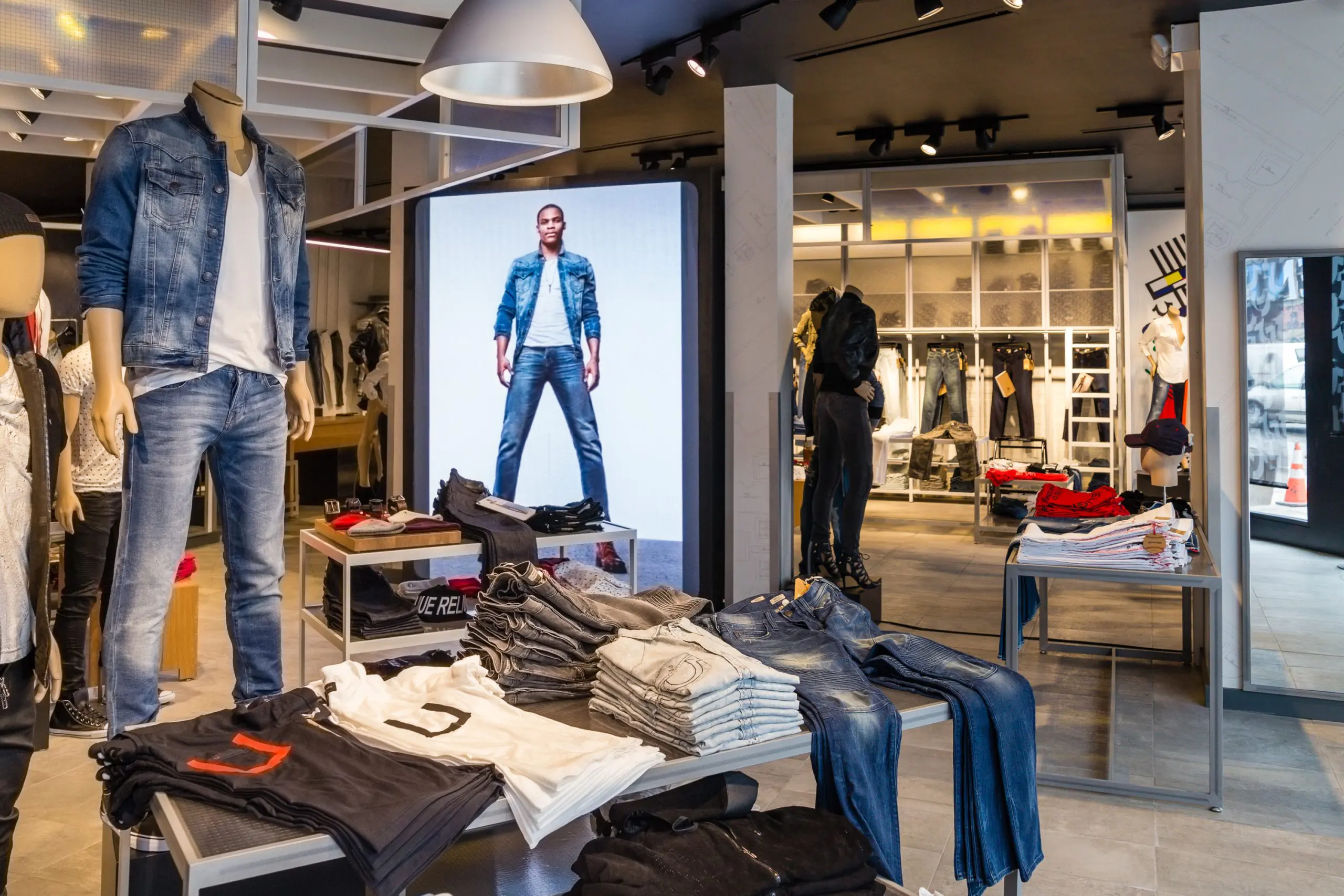
 retail
 Creative Led Solutions
 Hospitality
 Higher Education
 Corporate LED