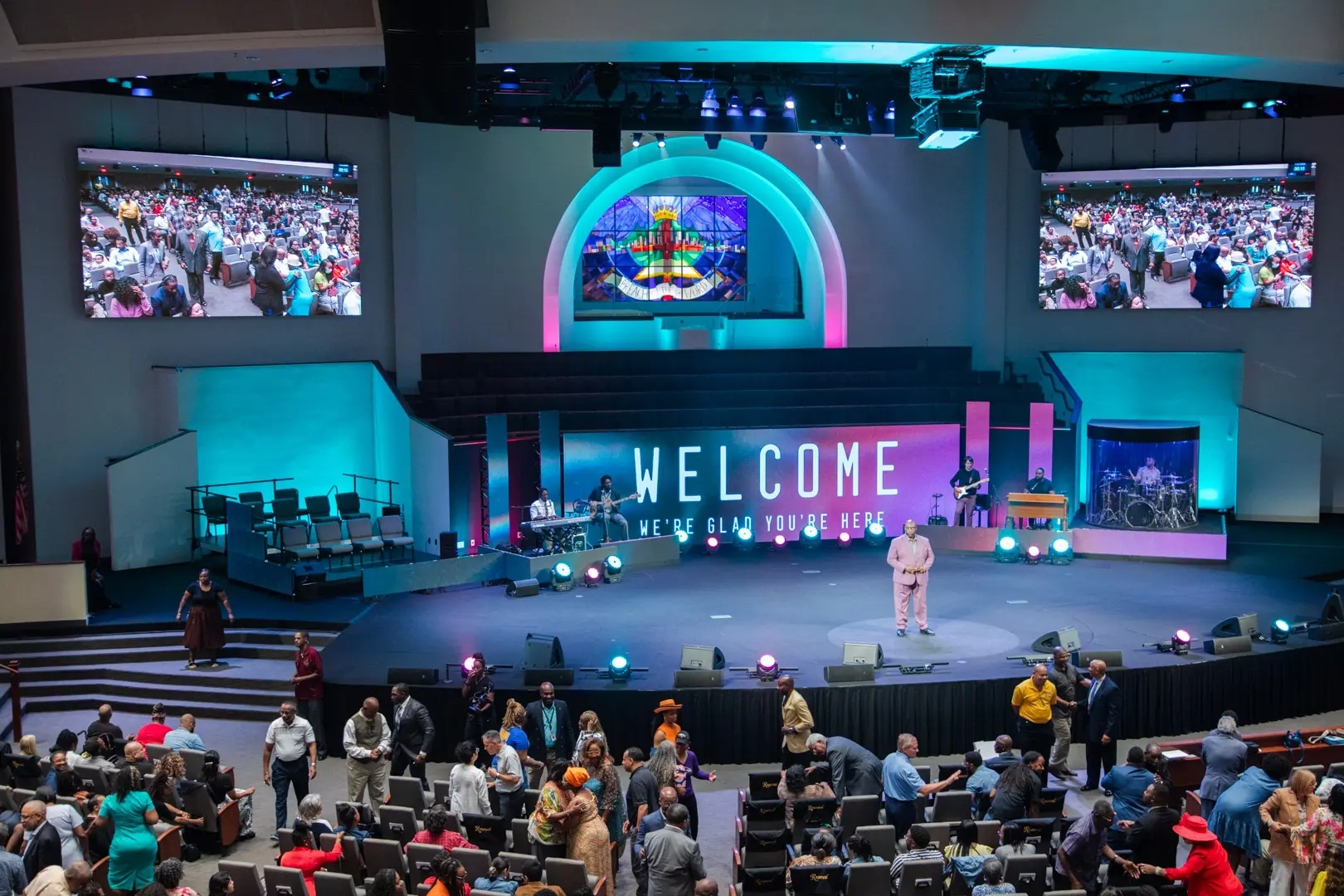
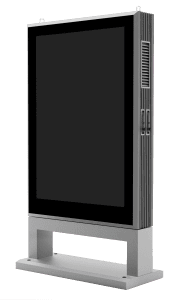
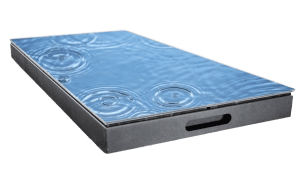
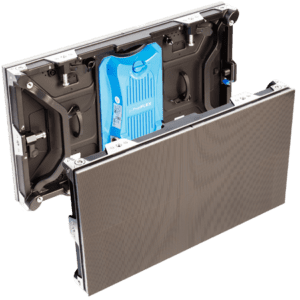
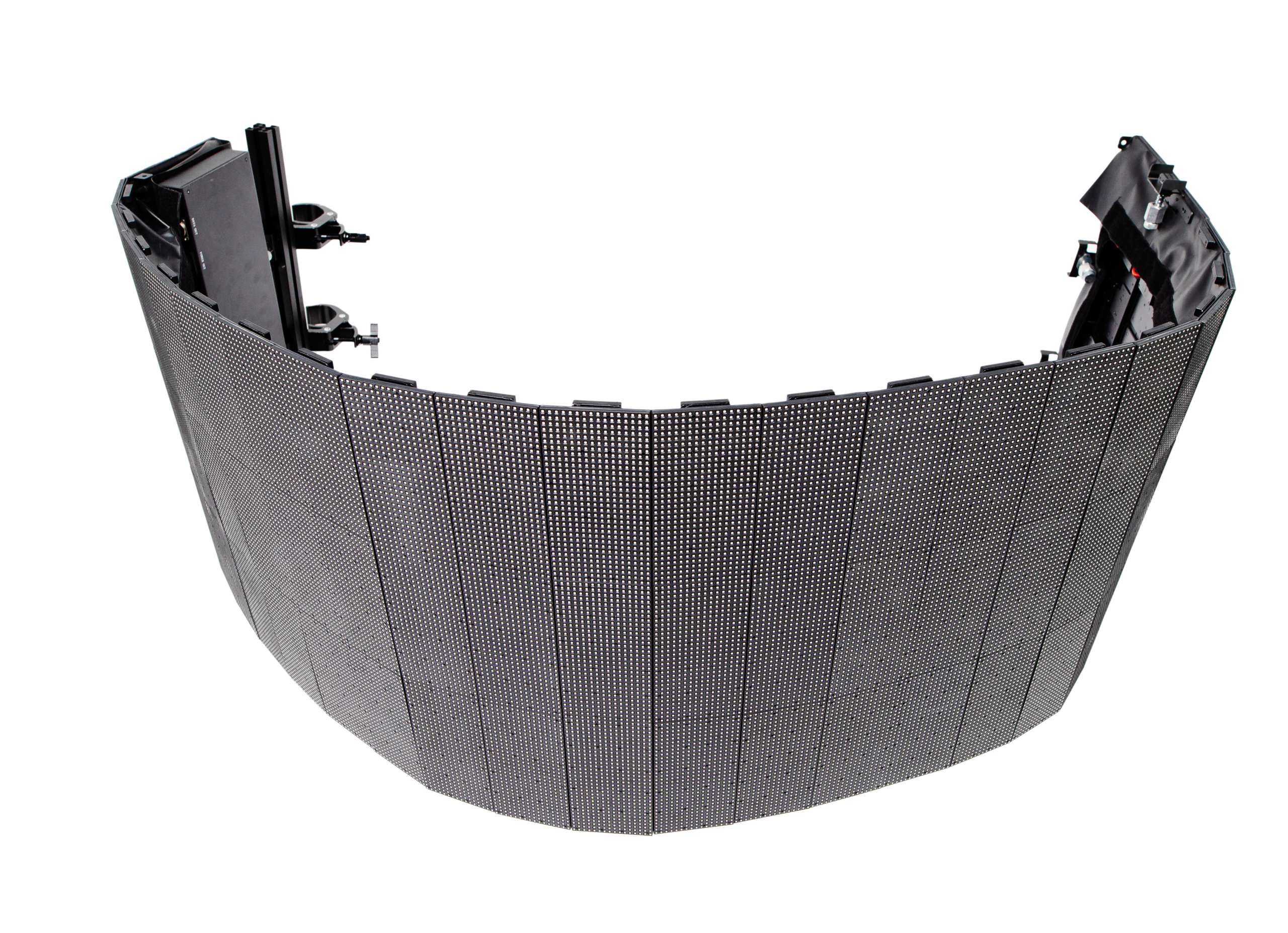
Communicate worship schedules and sermon messages while engaging your congregation with visual technology.
View More
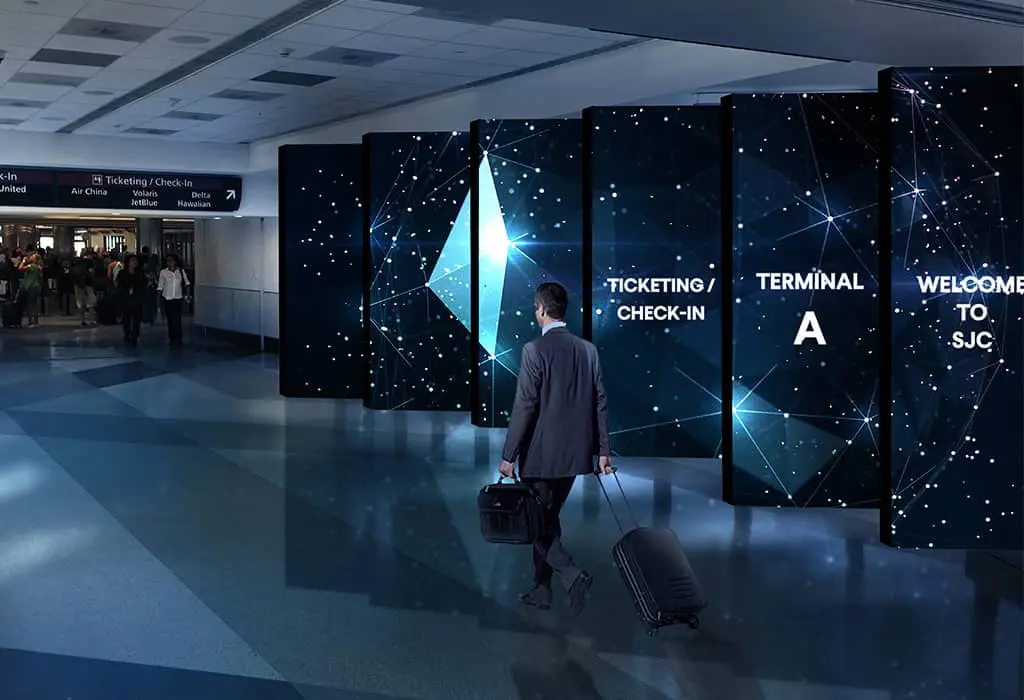
LED displays in transportation settings, such as airports, train stations, and bus terminals, serve as dynamic platforms for real-time information, advertising, and wayfinding, enhancing passenger experience with clear, up-to-date travel details and announcements.
View More
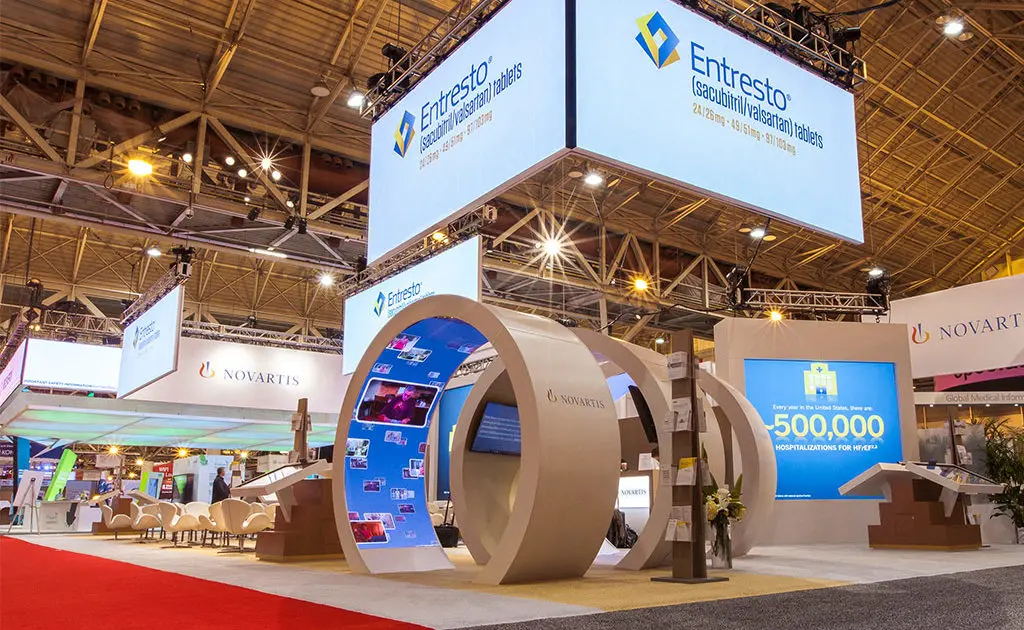
Differentiate yourself from the competition by incorporating a digital experience in your booth with our trade show LED displays.
View More
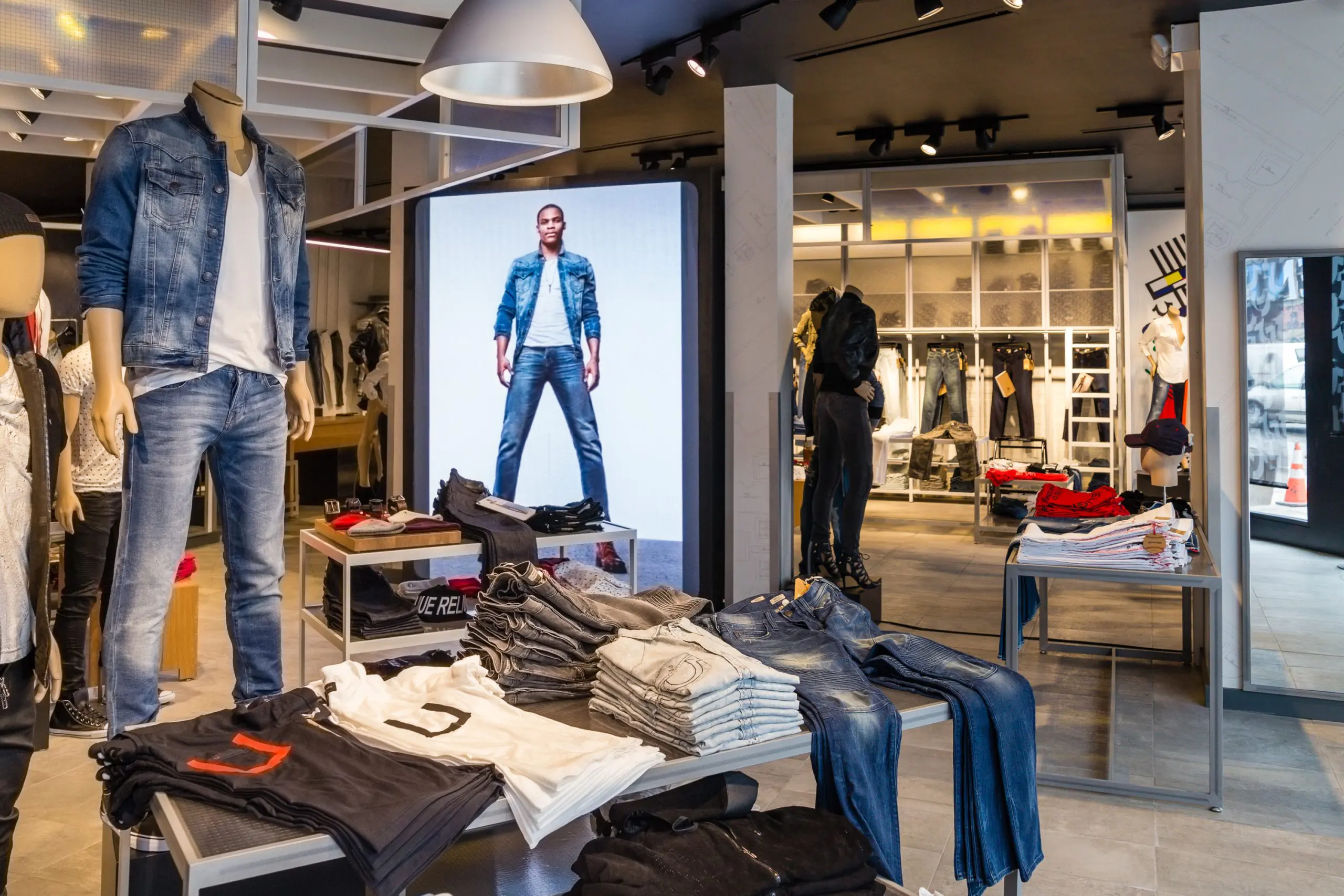
Communicate your brand’s message, stand out from the competition and engage your target market with LED digital signage.
View More
We offer creative solutions at cost-effective rates. You will be able to deliver your sermons more effectively and engage your congregation through one-of-a-kind lyric video walls and house of worship LED displays.
View More
Enhance ambiance, display interactive directories and wayfinding displays, and promote amenities and events to elevate the guest experience.
View More
Incorporate digital displays to enhance your students’ learning experience and market to prospective students and donors.
View More
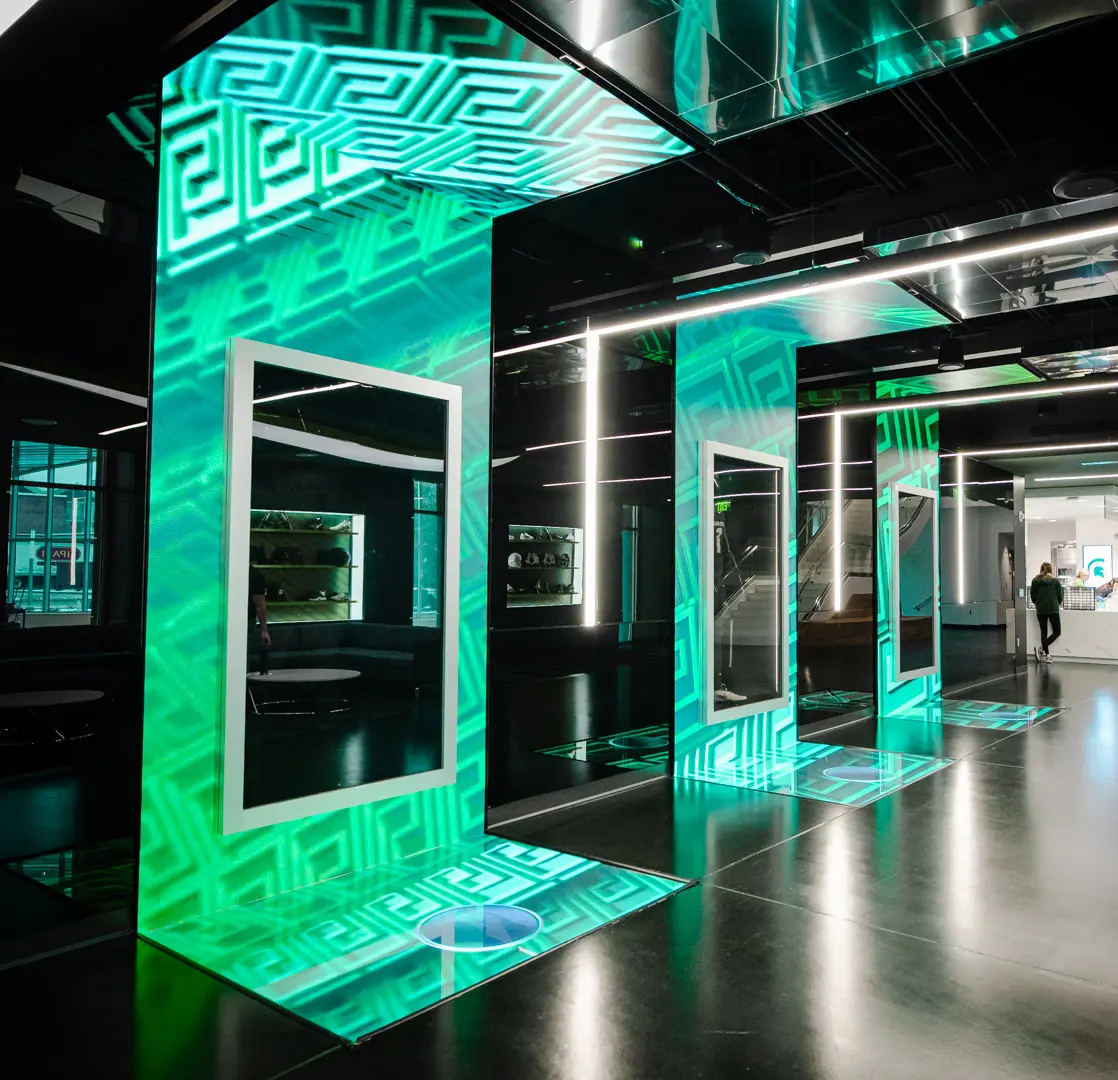
Transform your corporate spaces with PixelFLEX LED video displays. Enhance communication, elevate branding, and create dynamic environments.
View MoreSourcing electronic signs globally in 2026 requires more than comparing screen prices. It demands evidence across display quality, software support, logistics, safety, and service life. Grand View Research valued the global digital signage market at approximately $27.1 billion in 2024. It projects an 8.1% compound annual growth rate through 2030. MarketsandMarkets offers a similar outlook, forecasting continued expansion through 2029. These figures show strong demand, but they do not guarantee a reliable supplier.
The details matter. A bright outdoor sign may need 5,000 nits, sealed connectors, thermal testing, and corrosion-resistant housing. An indoor retail display may need accurate color, quiet cooling, and simple content updates. Alan Brawn, a respected digital-signage strategist, states: “Digital signage is a communications medium, not a technology.” That principle should shape every sourcing decision. The screen is only one part of the system.
Begin with a documented supplier audit. Request factory test records, warranty terms, sample units, production capacity, and replacement-part plans. Confirm certifications for each destination market, including electrical safety and electromagnetic compatibility requirements. Review pixel defects, brightness consistency, operating temperature, and firmware controls before placing a large order. Omdia’s digital-signage research also highlights the market’s shift toward connected, software-managed displays. That shift creates opportunity, but also dependency on cloud platforms and cybersecurity practices.
Forecasts can be wrong. Shipping disruptions, currency changes, and component shortages still complicate global purchasing. A low quote may become expensive after testing, duties, installation, and maintenance. The best strategy is not always the cheapest one. It is the supplier relationship that remains dependable after the first shipment.
Before contacting overseas suppliers, define the sign as a working system, not just a display panel. Record the overall dimensions, pixel pitch, viewing distance, screen brightness, viewing angle, and refresh rate. Specify whether the sign will face direct sunlight, heavy rain, dust, or coastal air. An outdoor unit may need a suitable IP rating, corrosion-resistant housing, and a tested operating temperature range. Include input voltage, power consumption, mounting method, cable length, and emergency shutdown access. Small details matter.
Compliance must be checked for every destination market. Ask suppliers for current electrical safety, electromagnetic compatibility, radio, energy, and material compliance documents where applicable. Wireless functions can create additional approval requirements. Confirm plug types, language settings, warning labels, accessibility features, and recycling obligations before production. Request test reports, declarations, factory quality records, and sample units. A certificate without matching product details is weak evidence.
Do not approve a quotation from a single spreadsheet. Compare the listed specifications with photographs, wiring diagrams, and physical samples. Check brightness at night, heat around power supplies, and software behavior after connection loss. Specifications often change during prototyping. That is easy to miss. I would also keep a written change-control process, because a cheaper component can quietly alter safety or performance. A local inspection before shipment remains valuable, even when the supplier appears experienced.
How to Source Electronic Signs Globally in 2026?
Identify suppliers through trade directories, industry exhibitions, technical referrals, and verified manufacturing records. A supplier profile is only a starting point. Request factory photos, production videos, export history, and two recent customer references. Samples matter. Examine brightness uniformity, cabinet sealing, cable routing, mounting strength, and software stability. Ask whether the supplier designs critical parts internally or purchases them from third parties.
Compare manufacturing capabilities with a clear scorecard. Review LED module quality, power supply testing, PCB assembly, metal fabrication, coating, final assembly, and burn-in procedures. Check documented quality controls, traceability, spare-part planning, and inspection records. Confirm monthly capacity, peak-season lead times, minimum order quantities, and engineering support. Factory size misleads. A smaller facility may offer better control, while a large one may provide stronger production resilience.
For outdoor signs, request water-resistance test results and temperature-cycle data. For connected systems, assess firmware updates, data security practices, and remote diagnostics. Verify packaging tests before shipping samples across long routes. Compare quotations by separating tooling, freight, installation, warranty, and service costs. Do not judge suppliers by price alone. A low initial quote can conceal costly redesigns. A polished factory tour can still hide weak process control. No scorecard is perfect. Leave room for unresolved questions, and record every assumption before signing a purchase agreement.
Regional supplier-screening benchmark based on manufacturing depth, electronics export capacity, logistics performance, customization capability, and expected production scalability. Scores are normalized to a 0–100 procurement index and should be validated through factory audits and sample orders.
Higher scores indicate stronger overall suitability for sourcing electronic signs, including LED display modules, control systems, printed circuit boards, metal or acrylic housings, and large-volume assembly. Reference framework: World Bank Logistics Performance Index, UN Comtrade electronics trade data, UNIDO manufacturing indicators, and ISO quality-management practices.
How to Source Electronic Signs Globally in 2026?
Pricing alone rarely reveals the real cost of electronic signs. Compare unit prices with tooling, packaging, freight, duties, installation, and replacement modules. Request quotations using identical specifications, including screen size, brightness, viewing distance, enclosure material, and control method. A low offer may hide weaker LEDs or limited warranty support. Ask for a detailed cost breakdown.
Quality should be tested against operating conditions, not photographs. Check brightness consistency, pixel failure rates, thermal performance, weather resistance, and power stability. For outdoor signs, review ingress protection testing and corrosion resistance. Request production samples, inspection records, and test reports from competent laboratories. Certifications must match the destination market and the exact product model. Never accept copied certificates without verification.
Lead times need practical milestones. Allow time for design approval, sample testing, production, inspection, export handling, and local delivery. Ask suppliers to separate manufacturing days from shipping days. Quoted schedules can be optimistic. I have seen small specification changes delay production by several weeks. Build a buffer, especially before seasonal campaigns. Keep written approval records for drawings, colors, brightness settings, and software functions. One overlooked detail can become an expensive correction. Regional service capacity also matters, because a replacement panel sitting overseas is not a fast solution.
Global sourcing benchmark for common electronic-signage categories. Prices are indicative 2026 planning ranges in USD, based on EXW quotations and excluding freight, duties, taxes, installation, software subscriptions, and local compliance testing.
| Electronic Sign Type | Indicative EXW Price | Common Global Sourcing Regions | Typical MOQ | Normal Production Lead Time | Quality Standards and Acceptance Checks | Typical Certifications and Technical Evidence |
|---|---|---|---|---|---|---|
|
Indoor LCD Digital Signage Display
43–55 inch commercial display with media player
|
USD 280–850 per unit Higher prices normally reflect brighter panels, metal housings, touch functions, and longer-duty components. |
East & Southeast Asia Eastern Europe North America | 20–50 units | 4–8 weeks after artwork, specification, and deposit approval |
Panel uniformity and dead-pixel policy; brightness and contrast measurement; 8–24 hour burn-in test; thermal test at maximum brightness; media-player compatibility and remote-management test. |
IEC 62368-1
FCC Part 15
CE
RoHS
REACH Request EMC, electrical-safety, restricted-substance, and battery reports where applicable. |
|
Indoor Fine-Pitch LED Display
P1.5–P2.5 modular display for retail, control rooms, and corporate spaces
|
USD 900–2,200 per m² Cabinet type, pixel pitch, refresh rate, receiving cards, and calibration strongly affect price. |
East Asia Southeast Asia Europe | 10–30 m² | 6–10 weeks; add 2–4 weeks for custom cabinets or large quantities |
Pixel-pitch verification; brightness uniformity and color calibration; module interchangeability; redundant-power and signal testing; receiving-card configuration backup; minimum 24-hour full-display burn-in. |
IEC 62368-1
EMC
CE
RoHS
REACH Ask for LED module, power-supply, EMC, luminance, and calibration documentation. |
|
Outdoor LED Advertising Display
P4–P10, weather-exposed cabinet system
|
USD 350–1,000 per m² Includes a broad planning range for standard cabinets; structural steel, installation, and civil works are excluded. |
East & Southeast Asia Middle East Europe North America | 10–50 m² | 6–10 weeks; 10–14 weeks for engineered structures or custom weatherproofing |
IP rating verification under IEC 60529; outdoor brightness and automatic-dimming test; rain, dust, corrosion, and thermal checks; wind-load documentation; power-factor and energy-consumption test; 48-hour burn-in recommended. |
IEC 60529 IP rating
IEC 62368-1
FCC Part 15
CE
RoHS Obtain enclosure, electrical-safety, EMC, surge-protection, and environmental-test evidence. |
|
Programmable LED Message Board
Single- or double-sided scrolling sign for traffic, retail, or public information
|
USD 250–900 per unit Price varies with enclosure size, viewing distance, communication method, and outdoor protection. |
East & Southeast Asia South Asia Eastern Europe North America | 10–30 units | 4–8 weeks; add time for cellular connectivity or custom software |
Character readability at specified distance; viewing-angle and brightness test; controller memory and schedule retention; enclosure sealing; power interruption recovery; remote-update and cybersecurity access-control test. |
IEC 62368-1
FCC Part 15
CE
UKCA
RoHS Wireless versions may require additional radio-equipment approval in the destination market. |
|
Outdoor Digital Kiosk
32–55 inch interactive or non-interactive weather-resistant enclosure
|
USD 1,200–3,800 per unit Touchscreen, payment hardware, heating or cooling, vandal resistance, and accessibility features increase cost. |
East Asia Europe North America | 5–20 units | 8–14 weeks; 12–18 weeks for payment, camera, or custom mechanical integration |
IP54–IP65 enclosure testing as specified; IK impact rating where required; touchscreen accuracy and glove-use test; thermal cycling; accessibility and viewing-height review; software recovery and remote-monitoring test. |
IEC 62368-1
IEC 60529
IEC 62262 IK
FCC Part 15
CE
RoHS Payment devices, cellular radios, and accessibility features may require separate approvals. |
|
Electronic Shelf Label and Low-Power E-Paper Sign
Battery-powered price, product, or wayfinding display
|
USD 6–45 per label Gateway, mounting accessories, batteries, software, and deployment services are usually quoted separately. |
East Asia Europe North America | 500–2,000 labels | 6–12 weeks; add 4–8 weeks for customized firmware or wireless certification |
Refresh-cycle reliability; battery-life validation under defined update frequency; wireless-range test; display contrast and viewing-angle test; adhesive or mounting durability; encryption, authentication, and firmware-update review. |
Radio-equipment approval
FCC Part 15
CE
UKCA
RoHS
REACH Confirm the exact wireless frequency, battery transport documents, and destination-market requirements. |
|
Custom Wayfinding or Transit Information Display
High-brightness LCD or LED system with sensors, connectivity, and centralized content control
|
USD 1,500–7,500 per unit Engineering, enclosure design, mounting, connectivity, and integration normally represent a significant portion of total cost. |
Europe North America East Asia Middle East | 5–20 units | 10–18 weeks; pilot approval and field testing may add 4–8 weeks |
72-hour pilot operation; network failover and offline-content test; brightness adjustment; vandal and weather resistance; serviceability and spare-parts review; documented mean-time-to-repair process. |
IEC 62368-1
EMC
IEC 60529
CE
FCC
RoHS Public-infrastructure projects may also require local electrical, accessibility, fire, and construction approvals. |
Global sourcing requires more than comparing unit prices. Electronic signs combine displays, controllers, wiring, software, and local safety requirements. WSTS’s 2025 forecast projected global semiconductor sales would reach about 700 billion dollars in 2025, increasing component demand and price pressure. During sampling, request three units from separate production batches. Test brightness, heat, waterproofing, power consumption, and remote-control stability. Ask for component datasheets and a written change-notification process. Small details matter. A sample can pass indoors but fail after two weeks in outdoor sunlight.
Negotiation should separate product cost from tooling, packaging, testing, and spare parts. Build contracts around approved drawings, tolerances, delivery milestones, inspection rights, warranty remedies, and ownership of custom files. Use clear payment triggers. International logistics also needs practical planning. UNCTAD’s Review of Maritime Transport 2024 highlighted longer routes and disruption risks affecting schedules and freight costs. Choose delivery terms carefully, then confirm export documents, tariff classification, insurance, and destination clearance responsibilities. The World Bank’s Logistics Performance Index shows that customs and tracking quality vary sharply between markets. Delays remain possible, even with a strong supplier.
Tips: Keep one signed specification pack. Photograph every inspection. Reserve time for rework, not just shipping. I would not rely on a supplier’s verbal compliance promise; certificates can be outdated, incomplete, or misunderstood. Verify applicable electrical, electromagnetic, environmental, and recycling rules with an independent testing body before mass production.
Global sourcing becomes risky when a bright electronic sign arrives without usable evidence. Grand View Research’s 2024 Digital Signage Market report estimates the sector reached about USD 27 billion in 2023. That growth increases supplier choice, but not necessarily supplier quality.
Ask for a production sample, not only polished photographs. Test it live. Measure brightness, color consistency, viewing angles, heat, and pixel failure rates. Request a 72-hour burn-in record and factory quality reports. Confirm the cabinet meets the required IP rating under IEC 60529 and electrical safety requirements under IEC 62368-1. A field acceptance test should record measurements before installation. Paper claims are weak.
Installation support deserves equal attention. Require mounting drawings, load calculations, wiring diagrams, spare-part lists, and remote troubleshooting procedures. Local technicians should understand power distribution, ventilation, weather sealing, and safe lifting. Installation manuals often omit small details, such as cable slack or drainage paths. Those omissions create expensive site delays. No checklist is perfect.
Supplier reliability needs evidence beyond a low quotation. Request audited quality procedures, production capacity, warranty terms, response-time commitments, and references from comparable climates. The 2024 MarketsandMarkets digital signage analysis forecasts continued annual market growth above eight percent through 2029, increasing pressure on suppliers to deliver quickly. Speed can hide weak controls. Factory videos may look convincing while inconsistent modules remain unseen. Use independent inspection before shipment, and define replacement timelines in writing. Recheck everything.