How to Choose an LED Display for Your Business in 2026?

Choosing an LED display in 2026 is not simply a matter of selecting the brightest screen or the smallest pixel pitch. It is a business decision involving visibility, reliability, operating cost, and audience behavior. A roadside billboard needs different performance than a retail video wall or a conference-room screen. Viewing distance matters. So does sunlight, heat, dust, and daily operating time.

Bob Raikes, founder of display industry research firm Meko, has described the principle this way: “A display is a system, not just a panel.” That idea deserves attention. An effective led display includes the cabinet, control system, content source, installation structure, maintenance plan, and technical support. Ignoring one part can weaken the entire investment.

Look closely at measured specifications. Compare brightness in real conditions, not only in promotional images. Check refresh rate when cameras will record the screen. Examine color consistency across cabinets. Ask how quickly a failed module can be replaced. A two-year warranty may sound reassuring, but response time and spare-parts access often matter more.

Budget pressure is real. Yet the cheapest option may consume more power or require frequent service. No buying guide removes every uncertainty. Even experienced buyers can misjudge audience distance or future content needs. A practical evaluation should include a sample panel, a site survey, written maintenance terms, and an honest conversation with the installer. The right led display should support the business quietly, clearly, and consistently.

How to Choose an LED Display for Your Business in 2026?

Define Your Business Goals and LED Display Requirements

Before comparing LED display specifications, define the business result you need. A retail store may want brighter window advertising, while a conference venue may need clear presentations. Write one primary goal and two measurable outcomes. For example, increase evening enquiries by 15% or reduce screen replacement requests. This keeps attractive features from controlling the decision. Your first estimate may be wrong. That is useful information, not failure.

Measure the installation area, viewing distance, ambient light, and available power. A display facing direct sunlight needs higher brightness than one inside a dim lobby. Fine pixel spacing supports close viewing, but it can increase the budget. Check refresh rate, weather protection, maintenance access, and content compatibility. Ask who will update the screen each day. If no trained person is available, complicated software may create unnecessary delays. I have seen projects focus on image quality while ignoring service access.

Tips: Record a short video from the audience’s position at different times. Note glare, shadows, and walking distance. Request a live demonstration with your actual content, not a sales sample. Build a replacement plan for modules, cables, and control equipment. Confirm installation conditions with qualified technicians and review local electrical requirements. Leave room for changing campaigns. Business goals evolve. Your screen should not become a costly obstacle.

Compare LED Display Types, Sizes, and Viewing Distances
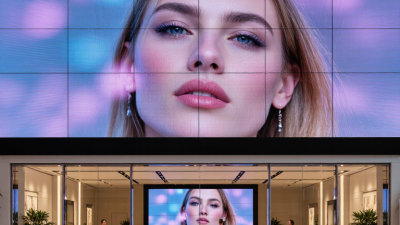
Choosing an LED display in 2026 starts with viewing distance, not screen size. A fine-pitch indoor wall can show product labels clearly at three meters. A larger-pitch outdoor display may look equally sharp from thirty meters away. Using a tighter pixel pitch than necessary can raise costs without improving customer experience. Easy mistake. Compare indoor, outdoor, rental, and fixed-installation types before reviewing quotations. Indoor panels usually prioritize pixel density and quiet operation. Outdoor units need weather protection, strong brightness, and stable performance under direct sunlight.

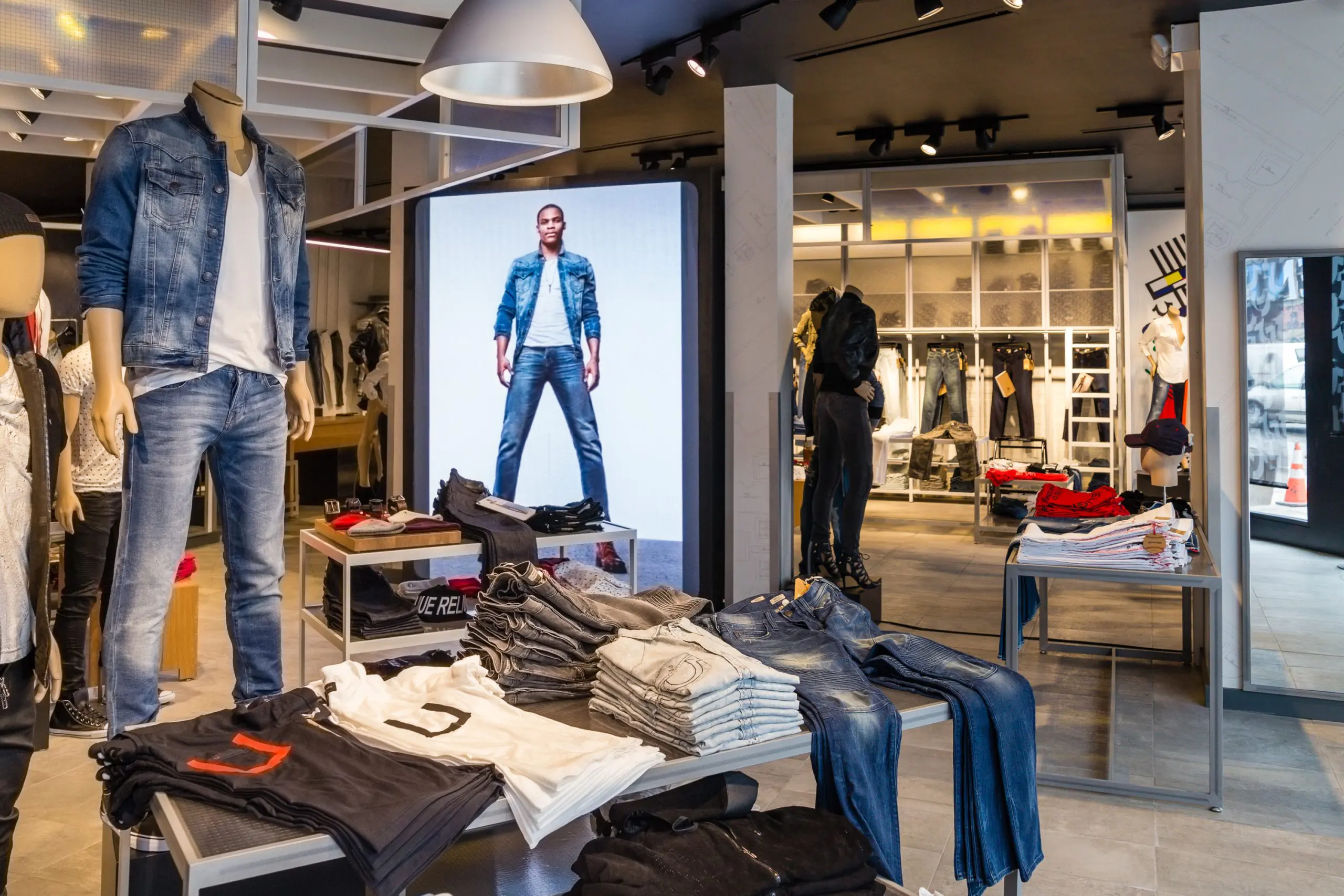
Measure the audience zone. A display beside a checkout counter needs different specifications from one above a highway entrance. For close viewing, select a smaller pixel pitch, such as 1.5 to 2.5 millimeters. At medium distances, 3 to 4 millimeters often balances clarity and budget. For distant roadside viewing, 6 millimeters or more may be practical. These ranges are starting points, not promises. Lighting, content detail, camera use, and viewing angle can change the result. I recommend testing a sample panel at the intended location during daytime and evening. Photos can hide flicker, glare, and uneven brightness.

Size should follow content and sightlines. A wide screen suits menus or timelines, while a taller format supports portraits and announcements. Leave service access around the cabinet. Ignoring maintenance space can turn a simple repair into a costly shutdown. Check refresh rate when filming the screen. Check brightness after dark. Energy use, structural load, control systems, and spare modules also deserve written specifications. A lower purchase price is not always lower ownership cost. I would question any proposal promising perfect visibility in every condition. No display can defeat harsh reflections completely.

How to Choose an LED Display for Your Business in 2026? - Compare LED Display Types, Sizes, and Viewing Distances

LED Display Type Typical Pixel Pitch Recommended Viewing Distance Common Display Sizes Typical Brightness Best Business Applications Key Advantages Important Considerations
Fine-Pitch Indoor LED 0.9–1.5 mm Approximately 0.9–1.5 m and farther 2.0–8.0 m wide; 1.2–4.5 m high 600–1,200 nits Corporate boardrooms, control rooms, premium retail, broadcast studios, executive presentation rooms Very sharp images at close range; suitable for detailed charts, text, and video Higher purchase cost; requires precise installation and content resolution
Standard Indoor LED 1.5–2.5 mm Approximately 1.5–2.5 m and farther 2.5–10.0 m wide; 1.5–5.5 m high 800–1,500 nits Shopping centers, hotel lobbies, conference venues, education facilities, indoor advertising Good balance between image quality, viewing distance, and cost Not intended for direct exposure to rain or strong sunlight
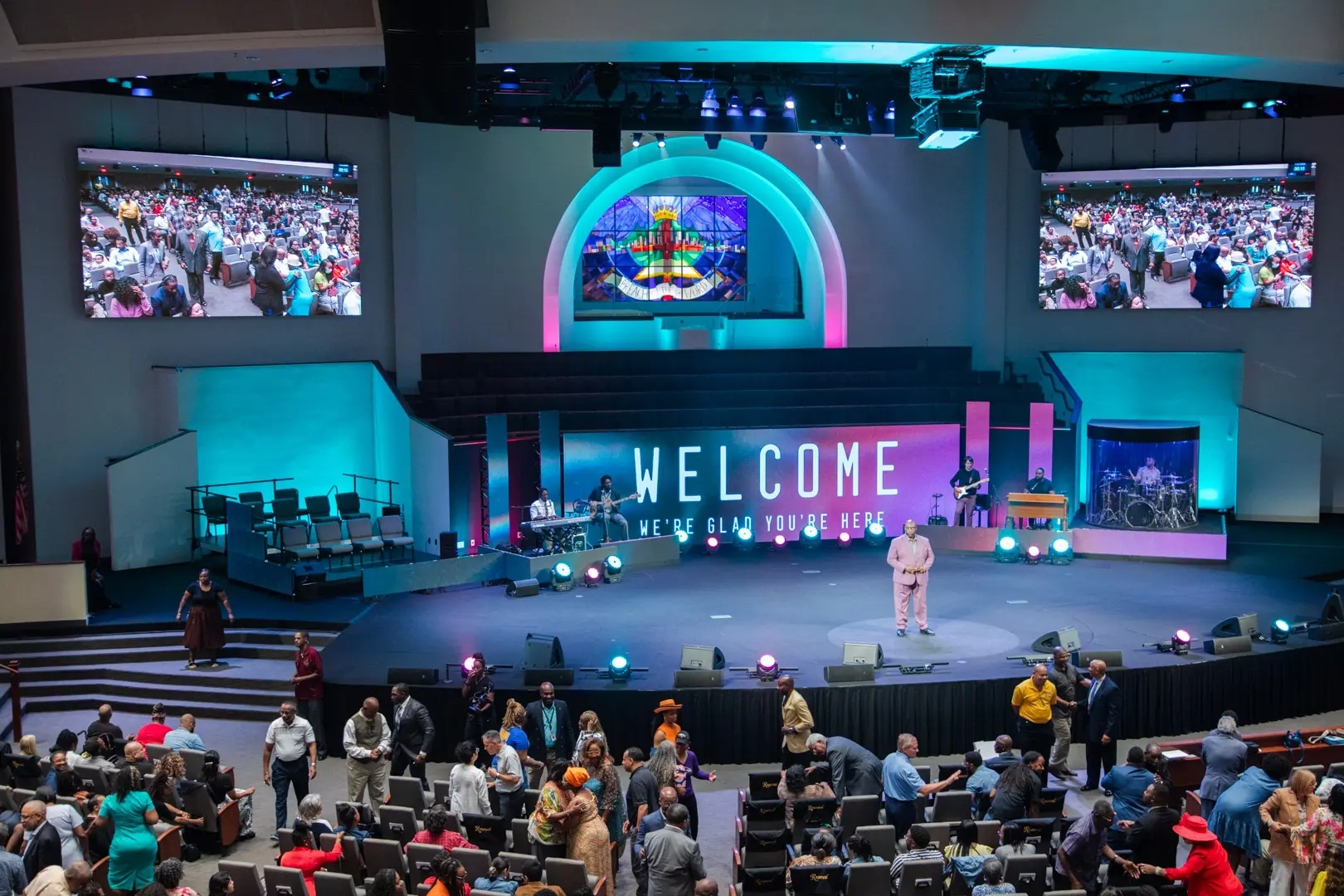
Large-Format Indoor LED 2.5–4.0 mm Approximately 2.5–4.0 m and farther 4.0–20.0 m wide; 2.5–10.0 m high 1,000–2,000 nits Auditoriums, houses of worship, event halls, sports venues, large retail spaces Cost-effective for large images viewed from medium or long distances Small text may appear less detailed at close viewing distances
Outdoor Fixed LED 4–10 mm Approximately 4–10 m and farther 4.0–30.0 m wide; 3.0–15.0 m high 5,000–8,000 nits Building facades, roadside advertising, shopping centers, public spaces, outdoor business signage High visibility in daylight; designed for continuous outdoor operation Needs weather protection, structural engineering, ventilation, and local permitting
Outdoor Fine-Pitch LED 2.6–4.8 mm Approximately 2.6–4.8 m and farther 3.0–15.0 m wide; 2.0–8.0 m high 4,000–7,000 nits Outdoor entrances, premium storefronts, transit areas, campuses, short-distance outdoor advertising Higher image detail than traditional outdoor displays while maintaining daylight visibility Higher power consumption and cost than larger-pitch outdoor screens
Outdoor Perimeter LED 6–10 mm Approximately 6–10 m and farther 8.0–40.0 m wide; 1.0–3.0 m high 5,000–8,000 nits Sports field perimeters, arenas, event advertising, stadium sponsorship displays Wide viewing angles and effective visibility for moving audiences Content should use large text and short messages for quick viewing
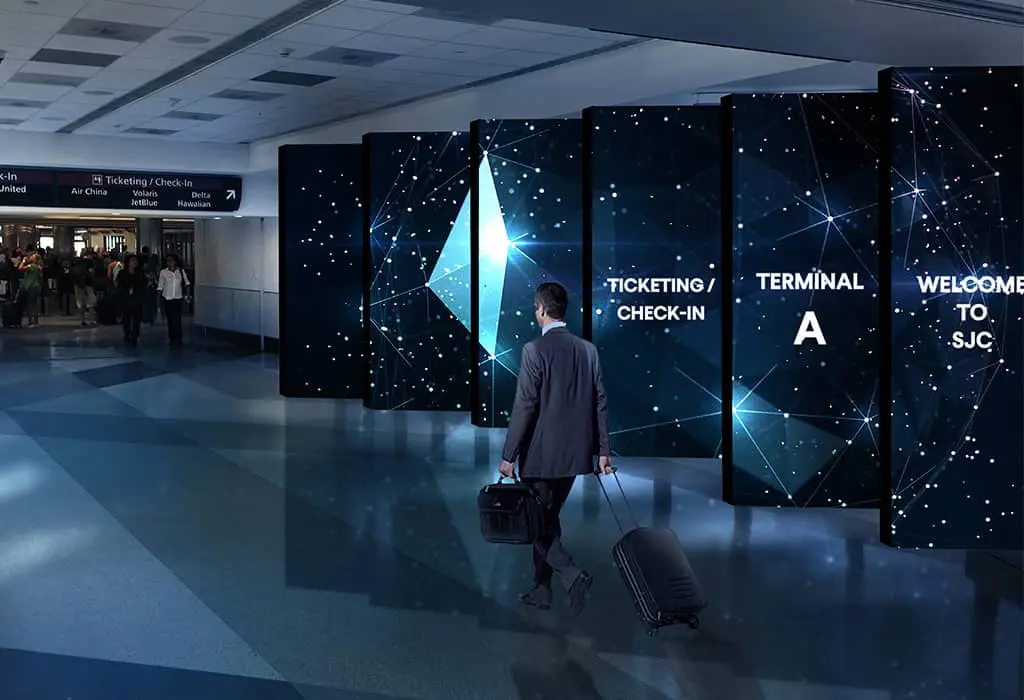
Transparent LED 3.9–10 mm Approximately 4–10 m and farther 1.0–12.0 m wide; 1.5–8.0 m high 3,000–6,000 nits Glass storefronts, atriums, airports, museums, architectural media façades Preserves visibility, daylight, and airflow through glass or open structures Lower contrast than solid LED; ambient lighting and background strongly affect performance
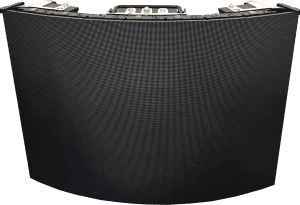
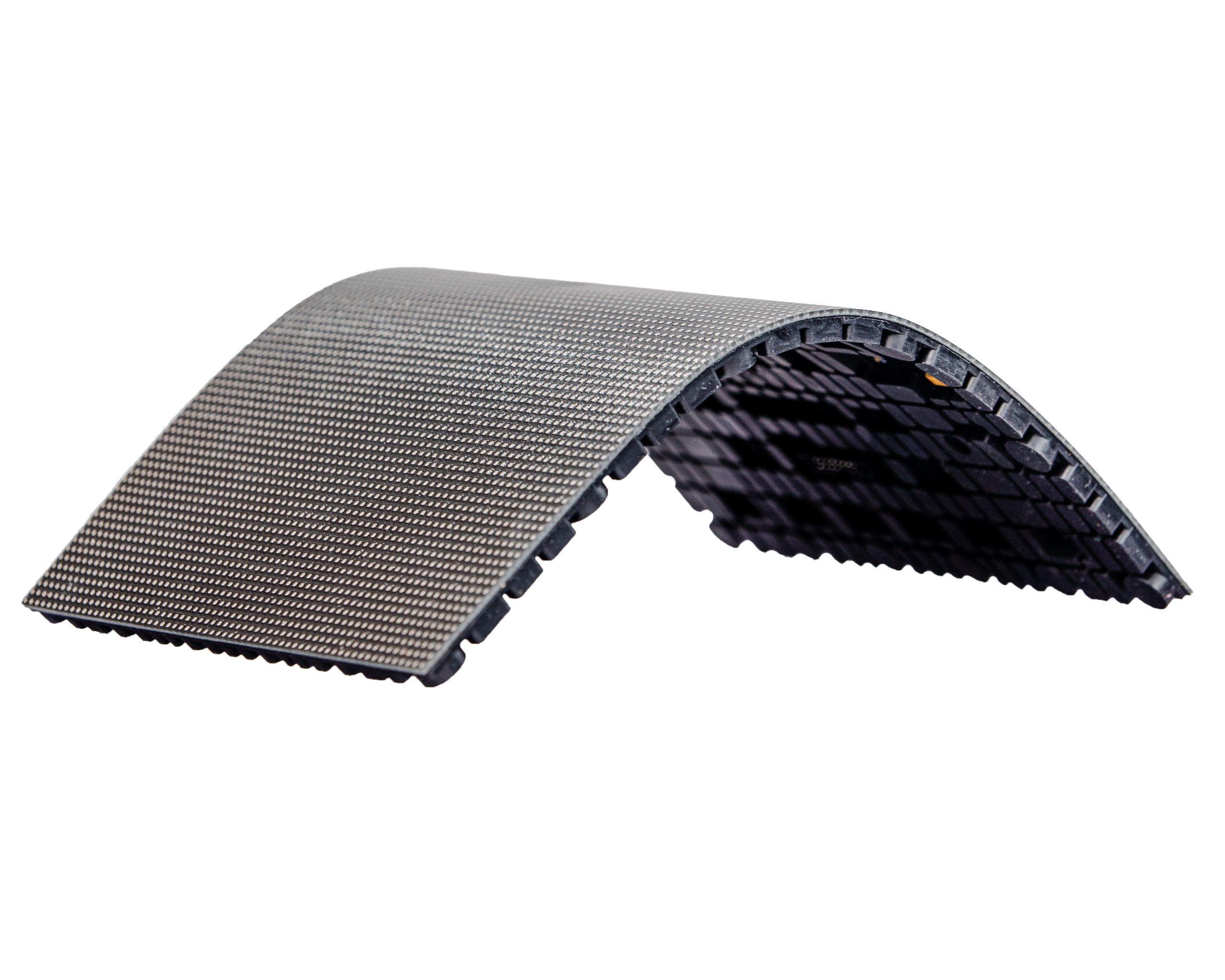
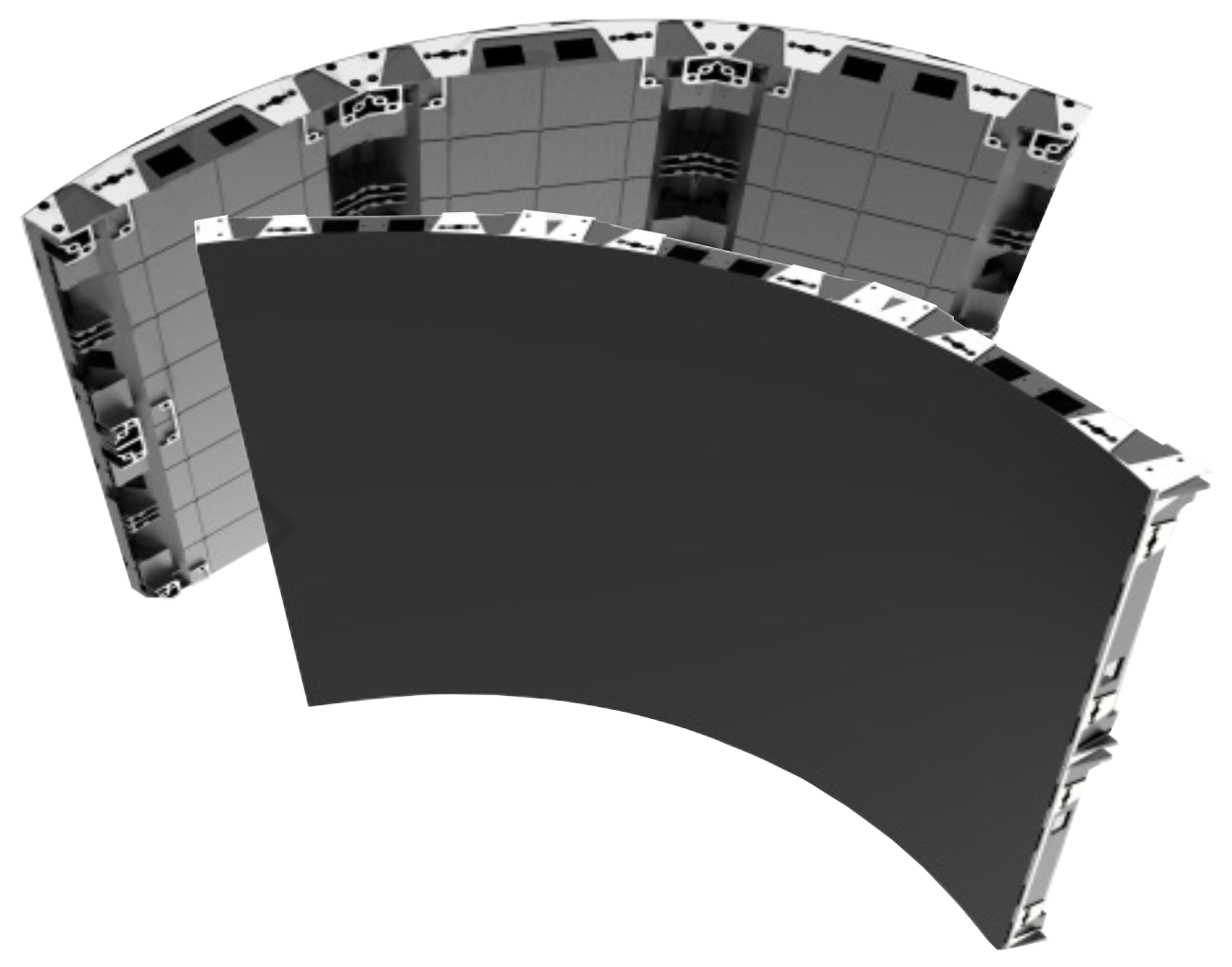
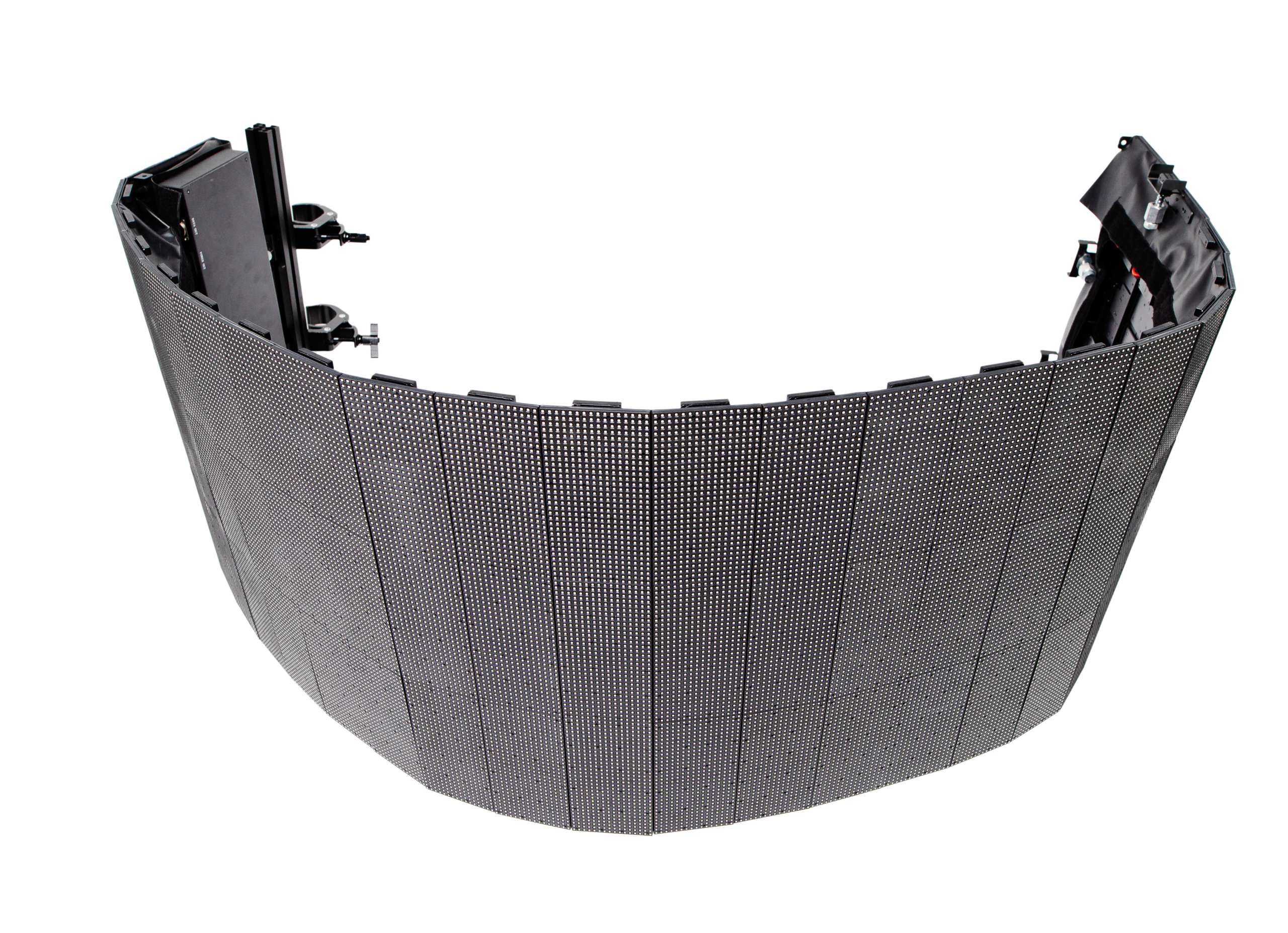
Flexible or Curved LED 2.5–6 mm Approximately 2.5–6 m and farther Custom curved or cylindrical structures; commonly 2.0–15.0 m wide 800–4,500 nits Stage backdrops, themed attractions, creative retail displays, museums, curved architectural installations Supports non-flat designs and distinctive visual experiences Requires custom engineering, careful handling, and compatible mounting structures
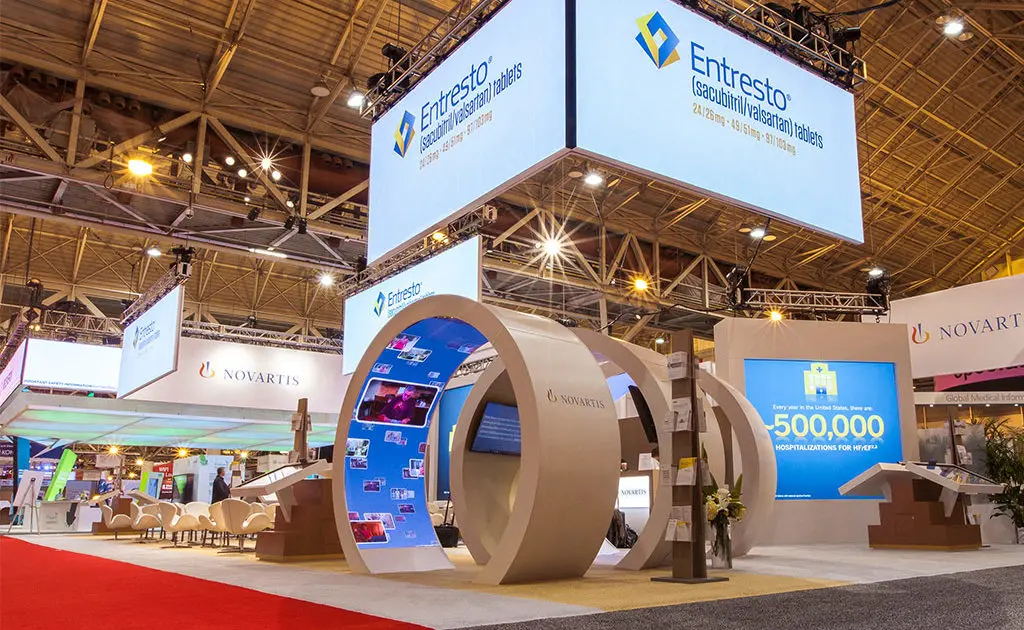
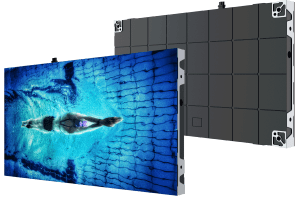
Rental or Event LED 2.6–4.8 mm Approximately 2.6–5 m and farther Typical modular walls from 3.0–12.0 m wide; 2.0–7.0 m high 1,200–4,500 nits Trade shows, concerts, conferences, product launches, temporary brand activations Quick assembly, lightweight cabinets, front or rear service options, reusable configuration Confirm cabinet protection rating, spare modules, power distribution, and transport requirements

Planning rule: A practical starting point is that the minimum comfortable viewing distance in meters is close to the pixel pitch in millimeters. Final selection should also consider ambient light, content detail, screen aspect ratio, viewing angle, installation height, power availability, and local safety regulations.

Evaluate Image Quality, Brightness, and Environmental Performance

Choosing an LED display in 2026 requires more than comparing screen size and price. Image quality should match the viewing distance, content type, and lighting around the installation. A fine pixel pitch creates sharper text at close range. However, an unnecessarily fine pitch can increase cost and power use. Ask for measured contrast, refresh rate, grayscale performance, and color uniformity. Do not rely only on showroom videos.

Brightness must suit the location. Indoor displays may need moderate output, while sunlit shopfronts require much stronger luminance. Excessive brightness can cause glare, discomfort, and wasted energy. Check whether the system includes automatic brightness adjustment. During a previous installation, our team focused too heavily on peak brightness. The screen looked impressive at noon but felt harsh after sunset. That mistake changed our testing process.

Environmental performance affects reliability and operating cost. Review the enclosure’s ingress protection rating, operating temperature range, ventilation design, and resistance to dust or moisture. Measure power consumption during normal content, not only at maximum white output. Ask about spare modules, service access, and replacement time. A display that is easy to repair may create less waste over its lifetime. Standards and test reports help, but site conditions still matter. Coastal air, winter frost, and trapped heat can expose weaknesses quickly. No display is perfect. Leave room for maintenance, imperfect weather data, and future content changes.

Assess Installation, Maintenance, Connectivity, and Energy Use

Choosing an LED display in 2026 starts with the site, not pixel pitch. Measure wall access, lifting routes, wind exposure, viewing distance, and electrical capacity. A modular cabinet may install quickly, but poor service clearance can multiply labor later. For outdoor projects, request structural calculations and ingress protection evidence from an independent engineer. This is where cheap decisions become expensive.

Maintenance planning should include front or rear access, spare modules, receiving cards, power supplies, and remote diagnostics. Ask for documented failure rates, brightness uniformity tolerances, and a written replacement process. Do not treat an impressive warranty as maintenance evidence. The U.S. Department of Energy reports that LED lighting can last up to 25 times longer than incandescent lighting, but display lifespan depends heavily on heat, moisture, and operating hours. A cabinet running at full brightness all day may age faster than its brochure suggests.

Connectivity deserves equal scrutiny. Use open control protocols, network segmentation, encrypted access, and local playback when internet service fails. Verify compatibility with content platforms, sensors, scheduling tools, and emergency shutdown controls. Energy use must be measured at typical brightness, not maximum output. The International Energy Agency projects data-centre electricity consumption could exceed 1,000 TWh by 2026, increasing pressure on efficient digital infrastructure (IEA, Electricity 2024). I would request a one-week power log. It may challenge the original specification. No checklist is perfect.

How to Choose an LED Display for Your Business in 2026?

Assess installation, maintenance, connectivity, and energy use before selecting a display system.

Energy-use comparison: The chart estimates annual electricity consumption for a 10 m² LED display operating 12 hours per day for 300 days per year. The calculation uses typical planning power densities of 350 W/m² for indoor displays, 600 W/m² for sheltered outdoor displays, and 900 W/m² for high-brightness direct-sunlight displays.

Selection checklist: Confirm mounting access and structural load during installation, choose front or rear serviceability for maintenance, verify compatibility with HDMI, DisplayPort, SDI, or network-based control systems, and compare power density, brightness control, and standby consumption to reduce operating costs.

Calculate Total Cost and Select a Reliable Display Provider

Choosing an LED display in 2026 should begin with total cost, not the lowest quotation. Grand View Research valued the global LED display market at about USD 7.6 billion in 2023, with continued growth expected through 2030. Rising demand does not make every system a wise investment. Calculate purchase price, installation, structure, control equipment, electricity, maintenance, content updates, and removal costs. A simple formula helps: total cost divided by expected service years and annual operating hours. Compare brightness and pixel pitch with viewing distance. An indoor screen rarely needs outdoor-level brightness.

Tips: Request a five-year cost sheet. Ask for measured power consumption, not only maximum consumption. Check warranty exclusions, spare-parts availability, calibration procedures, and service response times. Independent testing matters. Look for documented safety and electromagnetic compliance. The cheapest quote can still be expensive.

Provider reliability deserves equal attention. Ask for project references with similar screen size, climate, and operating hours. Request a sample module and inspect color uniformity, cabinet seams, fan noise, and software stability. The U.S. Department of Energy reports that LED products can use at least 75% less energy than incandescent lighting, but display savings depend on brightness, content, and schedules. Do not assume the headline figure applies directly. A realistic budget should include a replacement reserve for modules and power supplies. It feels cautious, perhaps overly cautious. Yet one failed component during a busy sales period can cost more than that reserve.

Need Help?
X

Ready to Talk?

Our team is ready to connect.