10 Tips for Buying LED Wall Panels Wholesale

Buying led wall panels wholesale is a technical decision, not simply a search for the lowest unit price. Grand View Research reported that the global LED display market was valued at approximately USD 7.1 billion in 2023. Its forecast also indicates continued growth through 2030. That growth attracts more suppliers, but quality still varies sharply. A bright sample in a showroom may hide uneven cabinets, weak power supplies, or limited after-sales support. Look closer.

As AV consultant Alan C. Brawn, CTS-D, has said, “It’s not about the technology; it’s about the experience.” That principle matters when comparing pixel pitch, brightness, refresh rate, viewing distance, and maintenance design. MarketsandMarkets also projects strong expansion for the LED display market, driven by commercial venues, advertising, broadcasting, and immersive environments. However, forecasts are not guarantees. Installation conditions can change the final result.
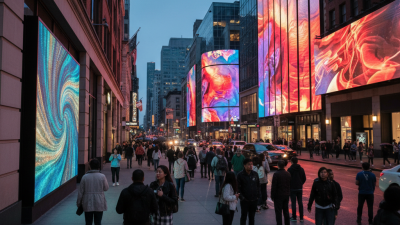
This guide, “10 Tips for Buying LED Wall Panels Wholesale,” focuses on practical purchasing decisions. It examines cabinet materials, receiving cards, calibration, certifications, warranty terms, spare modules, shipping protection, and total ownership costs. A lower quote can become expensive when one damaged module stops an entire section. We should admit one limitation: supplier brochures rarely show long-term performance. Request test videos, factory references, brightness measurements, and written service commitments. The right wholesale partner should explain weaknesses, not only display specifications. That honesty is worth more than a polished sample wall.
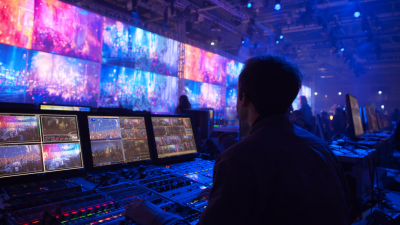
10 Tips for Buying LED Wall Panels Wholesale

Define Your LED Wall Panel Requirements and Intended Use

Before requesting a wholesale quotation, define where the LED wall will operate. Indoor conference rooms need different specifications from outdoor stages or retail windows. Measure the viewing distance, wall dimensions, ambient light, ceiling height, and available power. Measure the audience.

Pixel pitch should follow viewing distance, not personal preference. Smaller pitch improves close-up detail but usually increases cost and power demand. For text-heavy presentations, prioritize sharpness and stable processing. For distant advertising, a larger pitch may provide better value. Content type matters too. Fast camera footage requires a high refresh rate and reliable grayscale performance.

AVIXA’s 2024 Industry Outlook and Trends Analysis estimated global professional audiovisual revenue at more than 300 billion dollars, showing strong demand for visual communication systems. However, broad market growth does not guarantee the right panel for your project. The U.S. Department of Energy reports that modern LED technology can deliver high efficacy, yet actual energy use depends on brightness settings, cabinet design, and operating hours. Ask for measured power consumption, not only maximum ratings. Confirm front or rear maintenance, spare-module planning, control compatibility, and environmental protection. An IP rating alone cannot replace proper installation.

A common mistake is choosing the finest pixel pitch everywhere. It looks impressive on paper, but it may waste budget and electricity. Recheck the viewing distance with a physical sample. Room conditions can change the decision.

Define Your LED Wall Panel Requirements and Intended Use

Pixel pitch should match the audience’s viewing distance: as a practical rule of thumb, the minimum viewing distance in meters is approximately equal to the pixel pitch in millimeters. Smaller pixel pitches provide finer detail at closer distances, while larger pitches can reduce costs for distant viewing.

Use these typical planning ranges as a starting point when comparing LED wall panels wholesale. Final specifications should also consider brightness, resolution, refresh rate, environment, and installation size.

Compare Panel Specifications, Pixel Pitch, Brightness, and Viewing Distance

Buying LED wall panels wholesale starts with the viewing distance, not the lowest quotation. A 2024 TrendForce market report identifies fine-pitch displays as a major growth segment, especially for control rooms, retail, and corporate spaces. For indoor viewing under three metres, a 1.2–1.9 mm pixel pitch usually produces cleaner text and faces. At five metres, a 2.5–3.9 mm pitch may deliver better value. A useful field rule is one metre of viewing distance per millimetre of pixel pitch. It is only a starting point.

Brightness must match the room. Many indoor installations work between 800 and 1,500 nits, while outdoor walls often need 5,000 nits or more under direct sunlight. The International Energy Agency’s 2024 lighting analysis also reinforces a practical point: higher output can increase energy demand. Ask for actual power consumption, not only peak wattage. Check refresh rate, grayscale performance, cabinet flatness, front-service access, and receiving-card compatibility. Compare the same test pattern across suppliers. Numbers can look impressive.

I have seen buyers choose a sharper panel, then discover that viewers stand too far away to notice the difference. That is wasted budget. Measure the nearest and farthest seats, daylight exposure, content type, and installation height before ordering samples. Request independent test reports for brightness, color uniformity, electromagnetic compatibility, and ingress protection. A spreadsheet helps, but it cannot reveal glare, fan noise, or visible seams. Inspect those details in person.

Evaluate Wholesale Suppliers, Product Quality, and Certifications

10 Tips for Buying LED Wall Panels Wholesale

Choosing a wholesale supplier requires more than comparing price lists. Ask where panels are assembled, how long the supplier has operated, and who handles technical support. Request recent factory photos, production records, and customer references. A polished sample can still mislead.

Order a sample before committing to a container. Check pixel pitch, brightness uniformity, color consistency, cabinet alignment, cable quality, and heat during extended operation. Measure power consumption under realistic conditions, not only the advertised maximum. Ask for a written warranty covering modules, power supplies, receiving cards, and labor. Keep spare parts available.

Certifications deserve careful verification. Request certificates showing the exact product model, issuing laboratory, test date, and certification scope. Safety and electromagnetic compatibility reports should match the supplied configuration. Quality systems such as ISO 9001 can support consistency, but they do not replace product testing. Confirm documentation through the issuing organization when possible. Also review packaging, inspection procedures, delivery terms, and replacement policies. I would not accept vague promises about “international standards.” That wording means little without evidence. One common mistake is trusting the cheapest quotation. Hidden costs may appear through repairs, freight delays, uneven color, or difficult software support. A slower, documented evaluation usually protects the wholesale investment better.

10 Tips for Buying LED Wall Panels Wholesale - Evaluate Wholesale Suppliers, Product Quality, and Certifications

No. Evaluation Area What to Check Practical Benchmark or Requirement Evidence to Request Risk if Ignored
1 Assess Supplier Experience Review the supplier’s production capability, export experience, quality-control process, and after-sales support. The supplier should provide a clear production workflow, inspection stages, warranty terms, spare-parts policy, and technical support response process. Factory audit records, quality manual, sample inspection report, warranty policy, and service-level details. Inconsistent quality, delayed support, and difficult warranty claims.
2 Match Pixel Pitch to Viewing Distance Compare pixel pitch with the closest normal viewing distance and the intended indoor or outdoor application. Smaller pitch generally provides higher image detail at close range. Select the pitch using the installation distance, content type, resolution target, and budget rather than price alone. Pixel-pitch specification, module dimensions, recommended viewing distance, and sample image or video test. Visible pixel structure, poor readability, or unnecessary purchase cost.
3 Verify Brightness and Viewing Conditions Check brightness, contrast, viewing angle, refresh rate, and ambient-light conditions. Indoor and outdoor walls require different brightness and protection levels. For camera-facing installations, a higher refresh rate and suitable scan configuration help reduce visible flicker and scan lines. Measured brightness report, refresh-rate specification, viewing-angle data, and a camera test under expected lighting. Washed-out images, camera banding, or inadequate visibility.
4 Inspect LED and Module Uniformity Evaluate color consistency, brightness uniformity, dead pixels, module alignment, and cabinet-to-cabinet matching. Require calibrated modules, consistent LED bins, flat cabinet assembly, and a defined acceptance limit for dead or stuck pixels. Full-white, red, green, blue, and gray test images; calibration records; pixel-defect acceptance criteria; and a pre-shipment inspection report. Patchy color, visible seams, brightness variation, and frequent replacements.
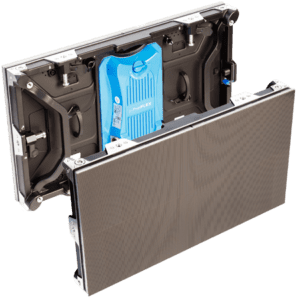
5 Confirm Cabinet and Installation Design Review cabinet size, weight, material, front or rear maintenance access, locking system, and installation structure. Cabinet dimensions should support the required wall layout with minimal gaps. The mounting structure must be designed for the total load and site conditions. Mechanical drawings, cabinet weight, load calculations, installation manual, and maintenance-access description. Uneven installation, difficult servicing, structural problems, or higher installation labor.
6 Check Thermal Management and Power Use Compare maximum and typical power consumption, ventilation design, power-supply quality, and operating temperature range. Power calculations should use maximum load for electrical design and typical load for operating-cost estimates. The display should include adequate heat dissipation and protection against over-temperature conditions. Power-consumption data, power-supply specifications, thermal test results, operating-temperature range, and electrical load schedule. Overheated components, shortened service life, unexpected energy costs, or circuit overload.
7 Verify Environmental Protection Check the enclosure’s IP rating, corrosion resistance, humidity tolerance, and suitability for indoor or outdoor use. IP ratings are defined by IEC 60529. The first digit addresses protection against solids and the second digit addresses protection against water; the required rating must match the installation environment. IP test report, enclosure drawings, environmental test conditions, and installation-location suitability statement. Moisture ingress, corrosion, short circuits, and premature failure.
8 Review Electrical and Safety Certifications Confirm that the exact model and configuration comply with the destination market’s safety, electromagnetic compatibility, and environmental requirements. Common documentation may include IEC or EN 62368-1 safety evaluation, EMC testing such as EN 55032 and EN 55035 where applicable, and RoHS compliance documentation. CE marking is a manufacturer’s declaration of conformity for applicable European Union requirements, not a universal quality mark. Declaration of Conformity, test reports, technical file references, RoHS material declaration, and model-number confirmation. Customs delays, installation restrictions, safety concerns, or regulatory non-compliance.
9 Test Control System and Compatibility Check receiving-card compatibility, video processor functions, input interfaces, control software, redundancy options, and remote monitoring. The system should support the required input resolution and frame rate, provide stable signal transmission, and allow brightness, calibration, fault monitoring, and configuration backup. System architecture, supported input formats, wiring diagram, software documentation, compatibility test, and configuration backup file. Signal loss, setup delays, limited content compatibility, or difficult troubleshooting.
10 Calculate Total Wholesale Cost and Lifecycle Value Compare the complete landed cost instead of comparing the panel unit price alone. Include panels, spare modules, control equipment, power supplies, packaging, shipping, duties, installation hardware, commissioning, maintenance, and warranty support. Itemized quotation, Incoterms, lead time, payment schedule, spare-parts list, warranty exclusions, and replacement-part pricing. Unexpected landed costs, project delays, and a higher long-term cost of ownership.

Note: Certification and testing requirements vary by product configuration, destination market, installation environment, and local regulations. Always verify that documents apply to the exact model being purchased.

Calculate Total Purchase Costs, Shipping, Warranty, and After-Sales Support

Buying LED Wall Panels Wholesale: Calculate Total Purchase Costs, Shipping, Warranty, and After-Sales Support

Buying LED wall panels wholesale requires more than comparing the unit price. Ask for a written quotation covering cabinets, receiving cards, power supplies, spare modules, control equipment, and packaging. A low price can hide missing accessories. Request the pixel pitch, brightness, refresh rate, cabinet weight, and tested power consumption. Use installation drawings to estimate the required area, then add five to ten percent for spare panels. This reduces visible gaps after accidental damage.

Calculate the Landed Cost

Calculate the landed cost before signing. Include factory pricing, export packing, insurance, freight, customs duties, local handling, and delivery to the site. Confirm whether the quote includes port charges or only delivery to a major terminal. Measure pallet dimensions and total weight carefully. Small errors can change transport fees. Ask for production and inspection dates in writing. Delays matter. For a rental wall, late arrival can create labor and venue costs above the freight bill. Use a spreadsheet, not memory.

Warranty and After-Sales Support

A useful warranty states its duration, coverage, exclusions, response time, and replacement procedure. Clarify whether labor, return shipping, and diagnosis are included. Ask how defective modules are tested and whether repaired parts are acceptable. Keep serial records, installation photos, and voltage readings. They make claims easier. Request remote setup guidance, spare-part availability, and clear escalation contacts. One weakness remains: maintenance forecasts are often guesses. Review them after the first project and update future budgets with actual failure rates.

Confirm Samples, Bulk Orders, Installation Needs, and Delivery Terms

Buying LED wall panels wholesale requires more than comparing pixel pitch and unit price. Request a working sample first. Test brightness, color consistency, cabinet alignment, fan noise, and signal stability for several hours. Record power draw with a meter. The U.S. Department of Energy reports that LED lighting can use at least 75% less energy than incandescent lighting, but display panels vary widely. Treat that figure as a benchmark, not a promise. Ask for measured panel data.

Bulk orders need written tolerances. Confirm the exact module size, refresh rate, brightness range, spare-parts ratio, and warranty process. A small sample may look perfect. A large batch can reveal color differences. That risk is real. Require pre-shipment photos, batch testing records, and approval procedures. The International Energy Agency identifies energy efficiency as a major factor in reducing electricity demand, so compare operating watts per square meter, not only purchase cost.

Installation details should be agreed before payment. Check wall load capacity, ventilation space, front or rear service access, controller location, cable lengths, and local power requirements. Measure doorways and lifting routes. Delivery terms must define packaging, insurance, inspection time, replacement responsibility, and customs documents. Incoterms® 2020 provides standardized delivery responsibilities, but it does not remove every practical risk. I once saw a project delayed because the crates fit the truck, but not the building entrance. Leave room for such mistakes.

Need Help?
X

Ready to Talk?

Our team is ready to connect.