What Are the Best LED Video Wall Panels in China?
Choosing the best LED video wall panels in China requires more than comparing price lists. A bright cabinet may look impressive in a showroom, yet perform poorly under direct sunlight. Pixel pitch, brightness, refresh rate, color calibration, cabinet weight, and service support all influence the final result.
Industry consultant Dave Haynes has emphasized, “A video wall succeeds when the audience forgets the technology.” That idea remains practical. Viewers should notice the message, not visible seams, uneven colors, flicker, or distracting fan noise. Reliable led video wall panels should maintain consistent performance across the entire wall, including corners and replacement modules.
The strongest Chinese manufacturers usually provide detailed specifications, factory testing, installation guidance, and long-term technical support. Look for measurable evidence, not attractive claims. Ask about receiving-card redundancy, front-service access, IP ratings, thermal management, and calibration records. A panel built for a control room may not suit a retail window. Different environments demand different designs.
Cost still matters. But the cheapest option can become expensive after repeated module failures, difficult maintenance, or inconsistent spare parts. That is where buyers sometimes misjudge the decision. I have seen specifications receive more attention than service response times. This is a mistake.
This guide compares leading led video wall panels in China through performance, application fit, reliability, and total ownership value. Some conclusions may change as technologies improve. That uncertainty deserves honest consideration.
What Defines an LED Video Wall Panel? Pixel Pitch, Brightness, and Refresh Rate
What Are the Best LED Video Wall Panels in China?
An LED video wall panel is more than a bright cabinet. Its quality depends on pixel pitch, brightness, refresh rate, calibration, and installation accuracy. Pixel pitch measures the distance between LED pixels. A 1.5 mm pitch suits close indoor viewing, while 2.5–4 mm often works better in control rooms, retail spaces, and event halls. Smaller pitch improves detail, but it usually increases cost and power consumption. According to Omdia’s 2024 LED Video Display Market Tracker, fine-pitch products remain a major growth area in professional display applications.
Brightness must match the environment. Indoor panels commonly use 600–1,200 nits, while outdoor models may exceed 5,000 nits. Excessive brightness can cause glare and shorten component life. Refresh rate matters for cameras, sports, and fast movement. A 3,840 Hz refresh rate is a practical baseline for filming, although camera settings still affect visible scan lines. LEDinside’s 2024 industry analysis also highlights energy efficiency as an increasing purchasing concern. Numbers can mislead. A panel with higher specifications may perform poorly after uneven calibration or weak heat management.
Tips: Ask for measured data, not only brochures. Request brightness uniformity, grayscale, power consumption, and calibration records. Check the panel from three viewing distances. A small color shift may appear only from the side. I have seen installations where perfect modules looked inconsistent after assembly. That detail deserves attention. Ensure the supplier provides spare modules, receiving cards, and clear testing procedures.
How to Match Panels to Use Cases: Indoor, Outdoor, Rental, and Fine-Pitch Walls
Choosing the best LED video wall panel in China starts with the venue, not the cabinet. Indoor walls usually need high contrast, quiet cooling, and fine pixel pitch. For close viewing, 1.2mm to 2.5mm can preserve facial detail and small text. Check brightness carefully. Excessive brightness may cause eye strain in a dark meeting room. Outdoor panels require stronger weather protection, higher brightness, and stable heat management. An IP65-rated front surface is a practical baseline, but installation quality still matters. Rain will find weak seams.
Rental walls face a different test. Technicians need lightweight cabinets, fast locks, corner protection, and front or rear service access. A panel that looks excellent in a showroom may become slow and fragile on tour. Ask for repeated assembly tests. For fine-pitch walls, viewing distance should guide the decision. Smaller pitch improves detail, but it raises cost and can increase power demand. Do not choose the smallest number automatically. Measure the nearest audience position, content type, refresh rate, and camera requirements. Broadcast spaces need low scan-line artifacts and consistent gray performance. These details are easy to overlook. Sometimes I would accept a slightly larger pitch for better maintenance and budget control.
Tips: Request real test footage, not only specification sheets. Inspect dead-pixel policy, calibration records, spare modules, warranty terms, and power data. Compare samples under the actual lighting. Also, test dark scenes. Manufacturers may quote peak brightness, while your venue needs stable brightness over long operating hours. That distinction protects reliability.
What Are the Best LED Video Wall Panels in China?
How to match panels to use cases: indoor, outdoor, rental, and fine-pitch walls.
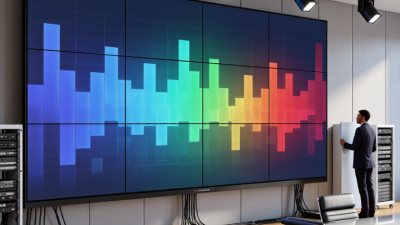
The chart shows representative LED pixel-pitch ranges used across common applications. Lower pixel pitch supports closer viewing distances and finer image detail, while outdoor panels generally use larger pitches to achieve higher brightness, durability, and cost efficiency. Rental panels typically balance image quality, lightweight construction, fast installation, and repeated handling.


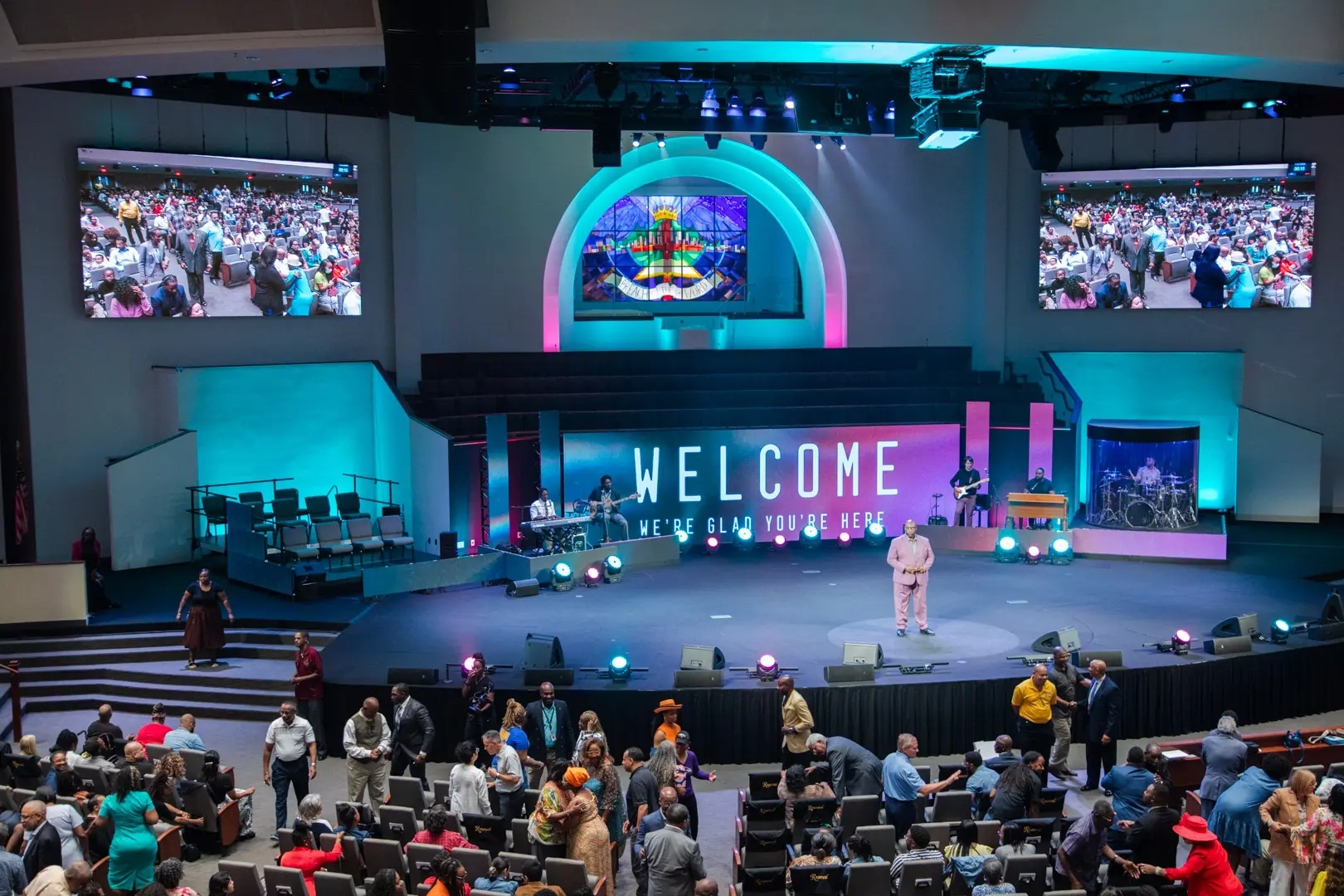
 House of Worship
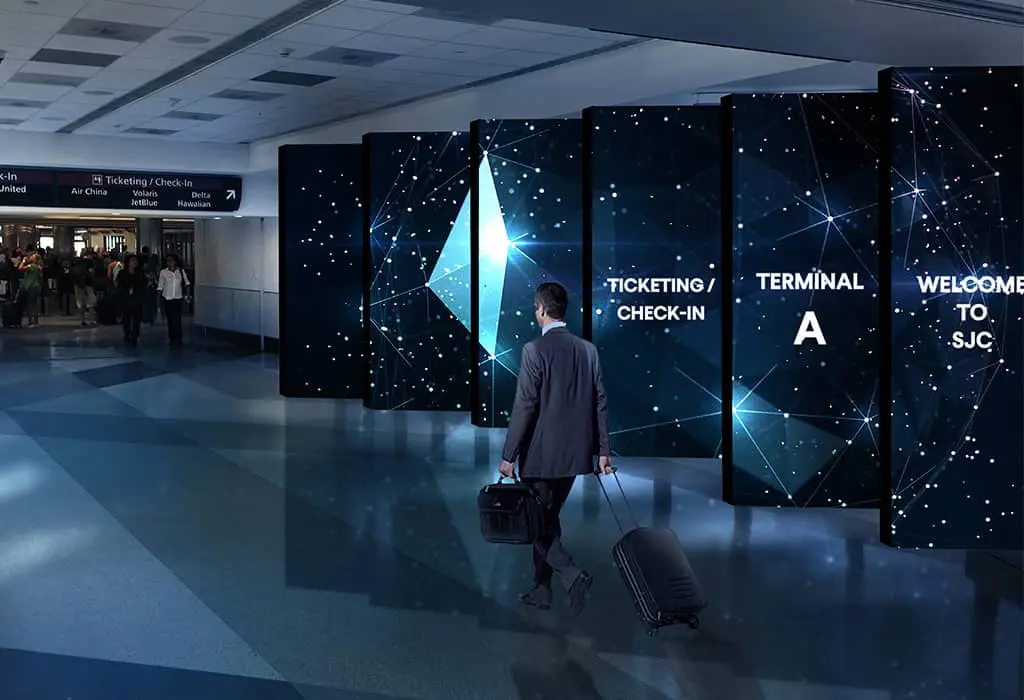
 Transportation
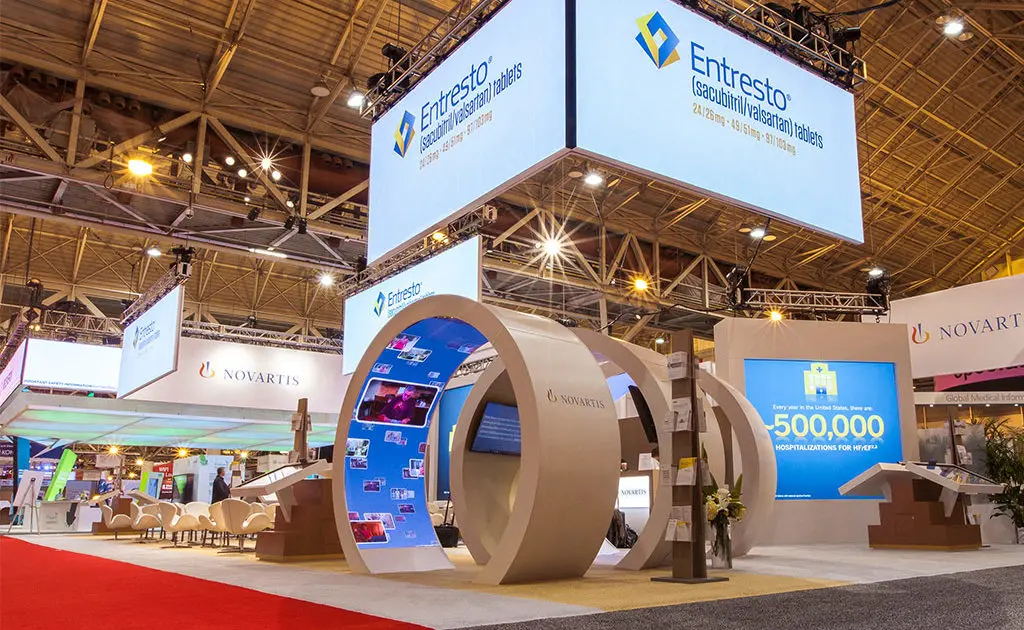
 Trade shows led display
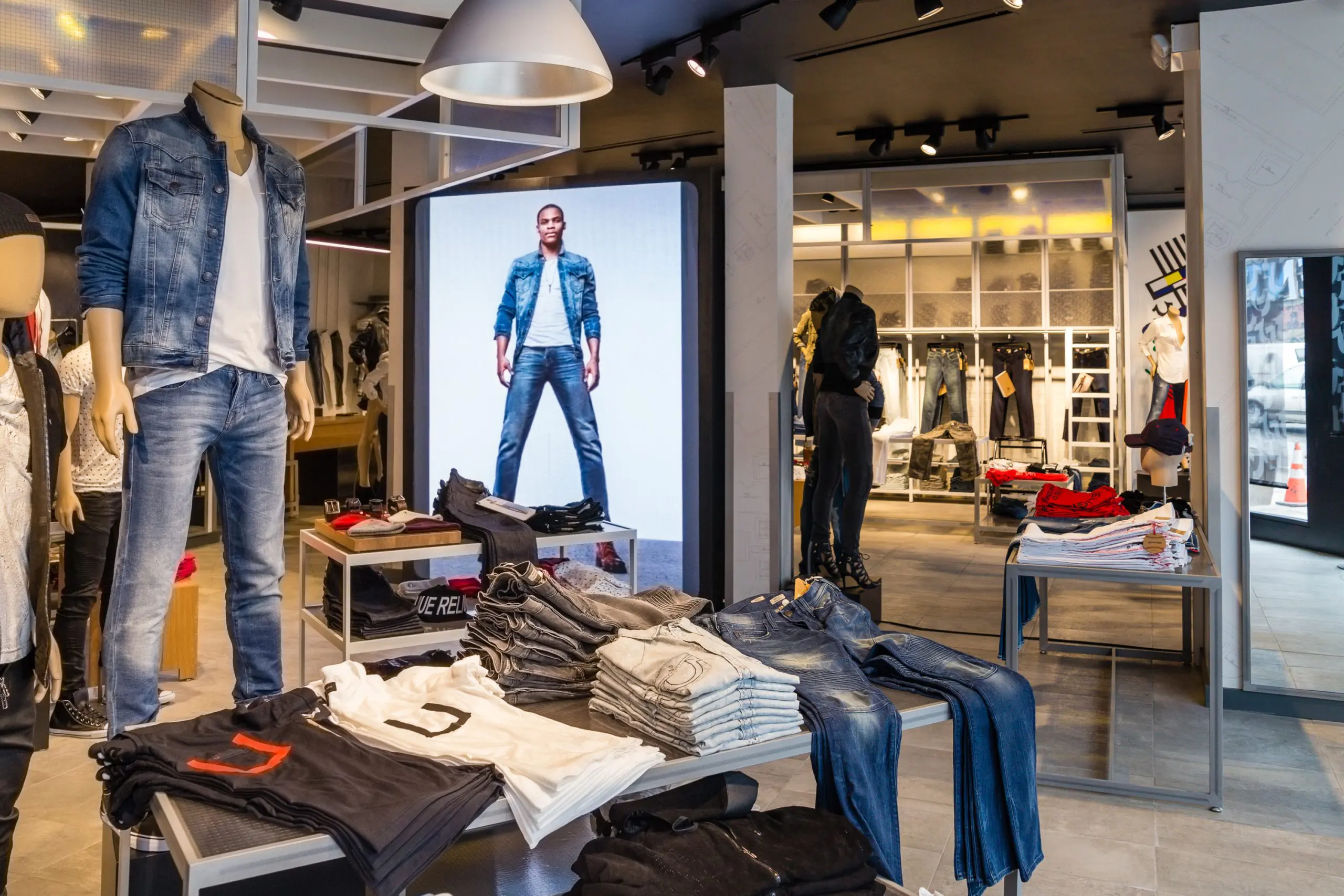
 retail
 Creative Led Solutions
 Hospitality
 Higher Education
 Corporate LED