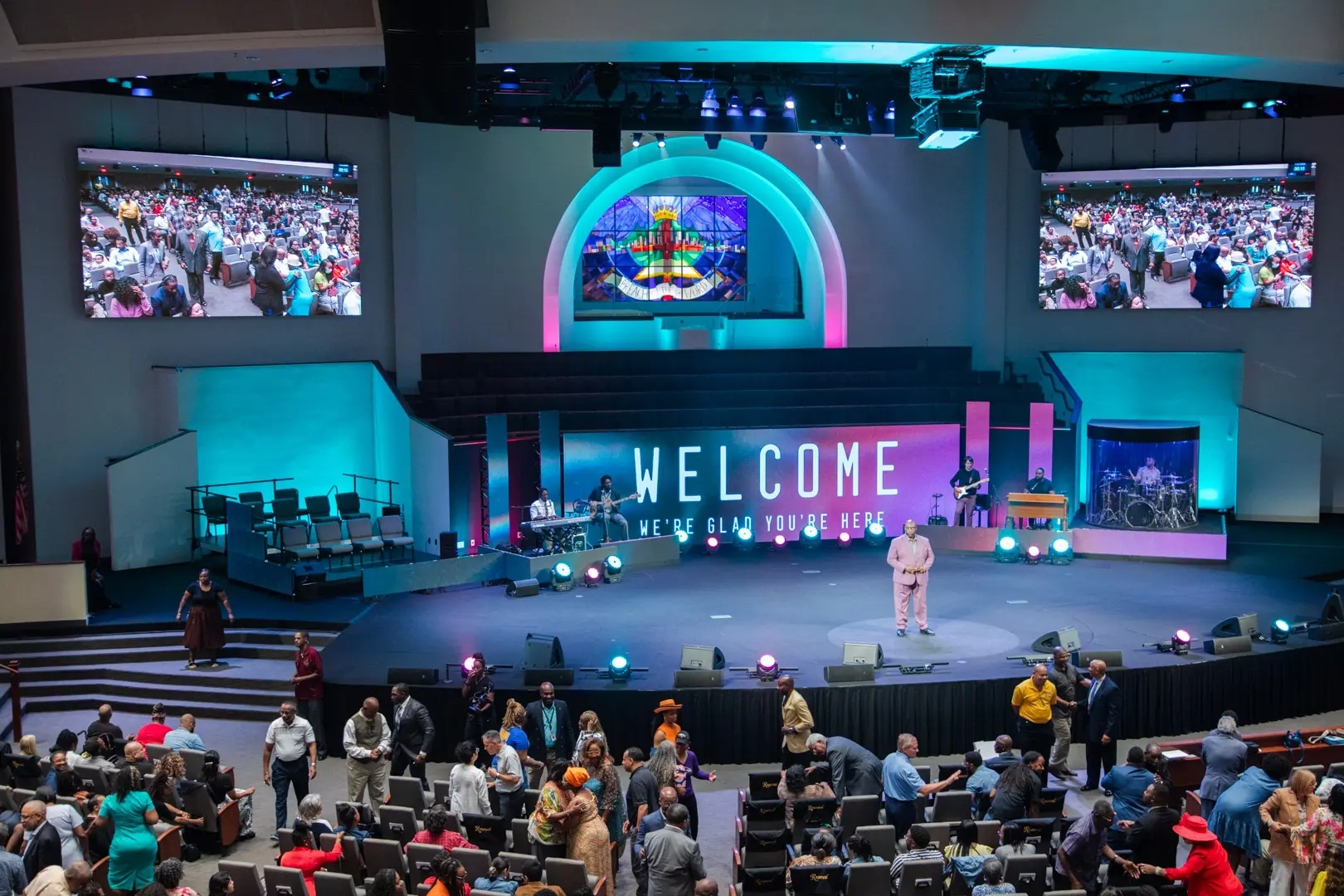
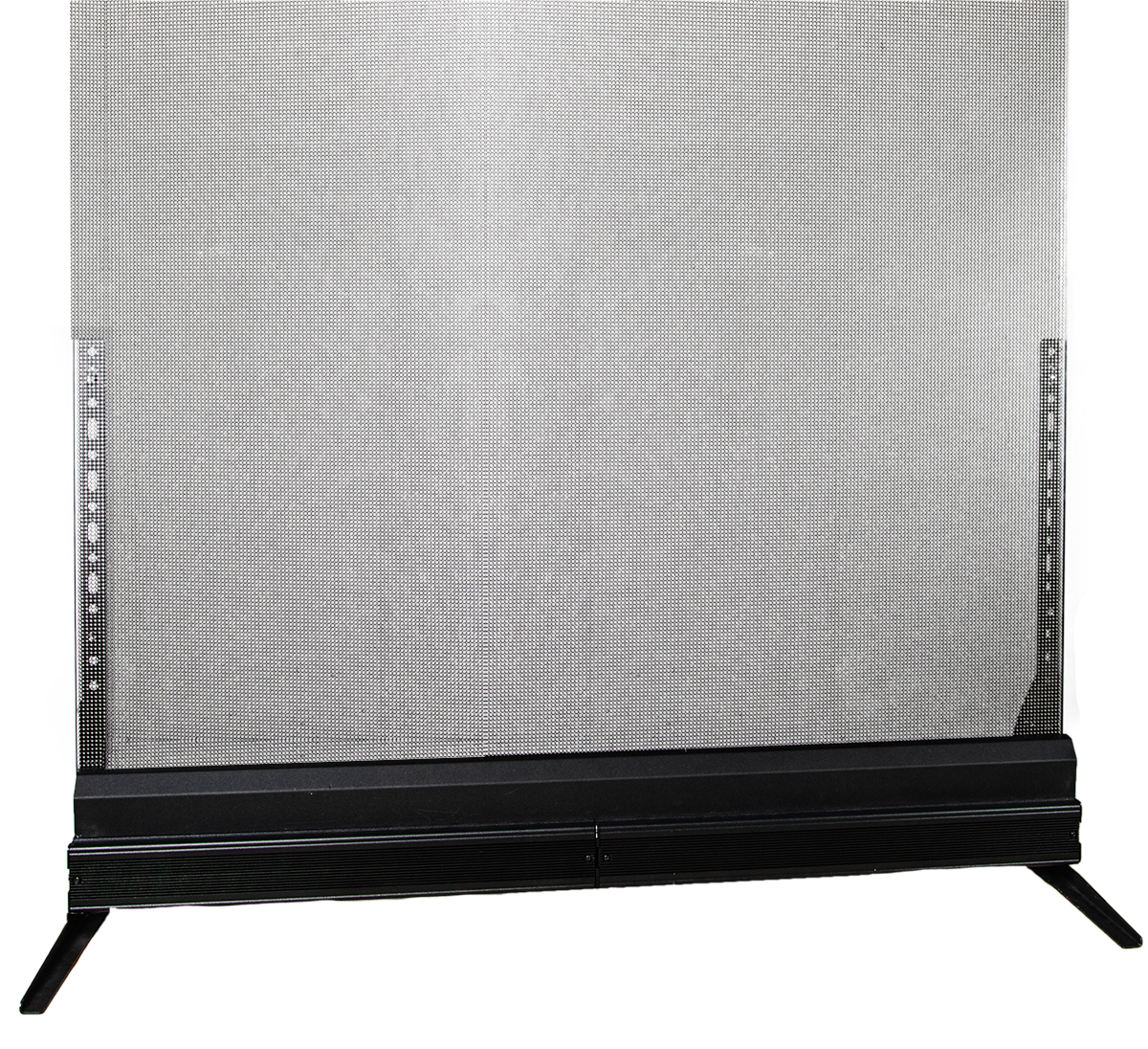
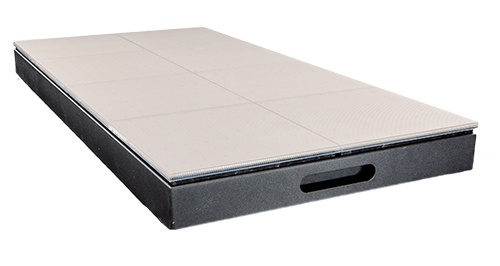
Communicate worship schedules and sermon messages while engaging your congregation with visual technology.
View More
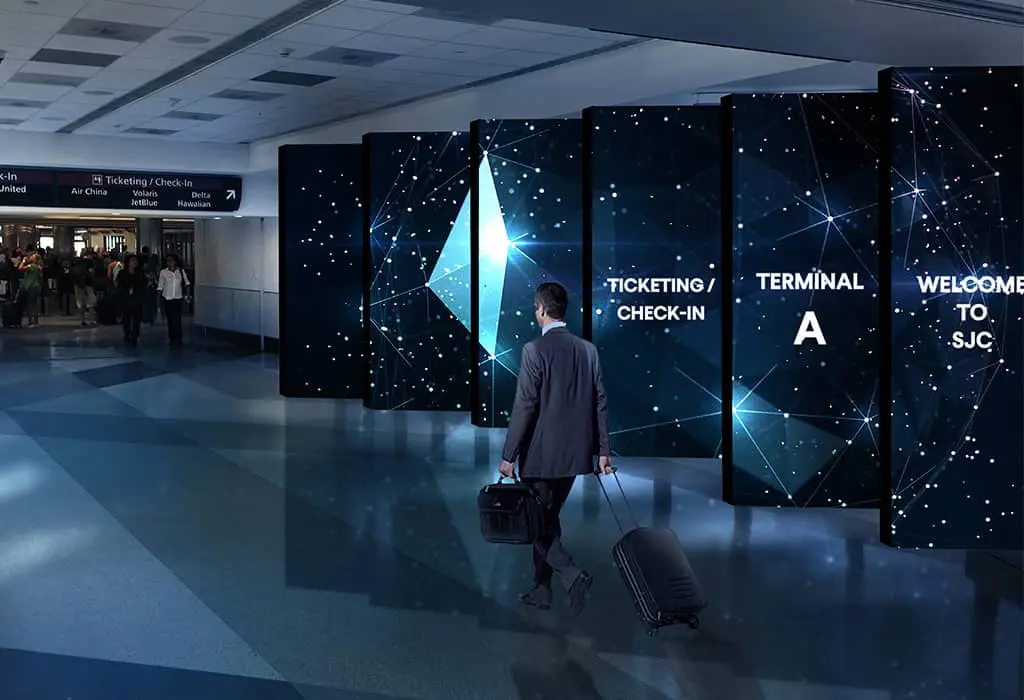
LED displays in transportation settings, such as airports, train stations, and bus terminals, serve as dynamic platforms for real-time information, advertising, and wayfinding, enhancing passenger experience with clear, up-to-date travel details and announcements.
View More
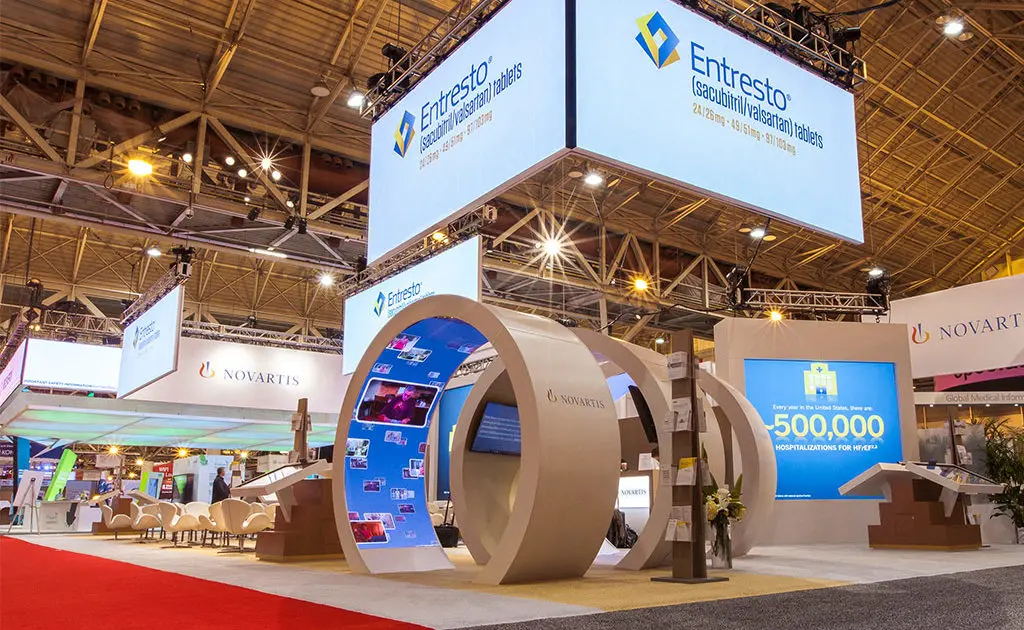
Differentiate yourself from the competition by incorporating a digital experience in your booth with our trade show LED displays.
View More
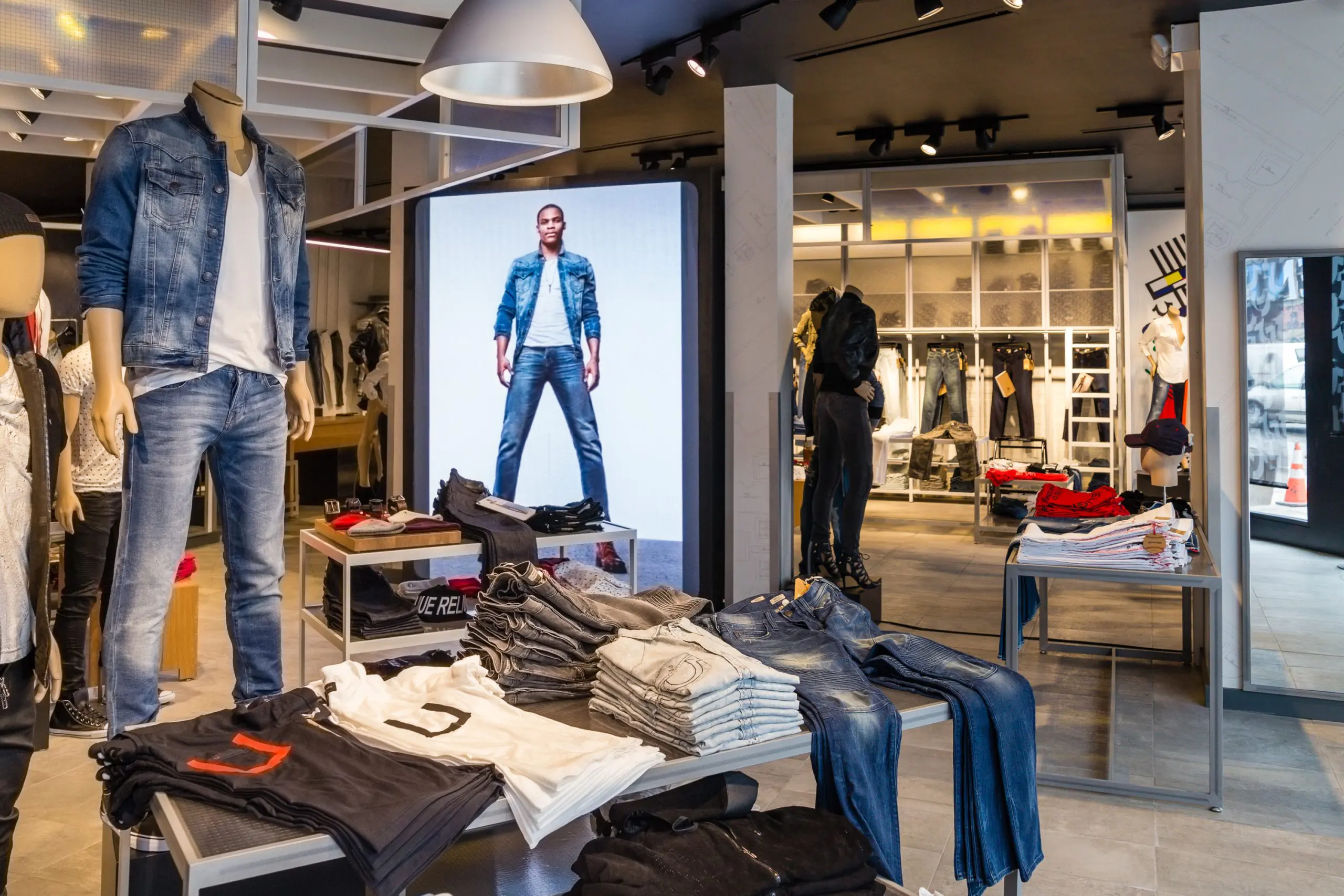
Communicate your brand’s message, stand out from the competition and engage your target market with LED digital signage.
View More
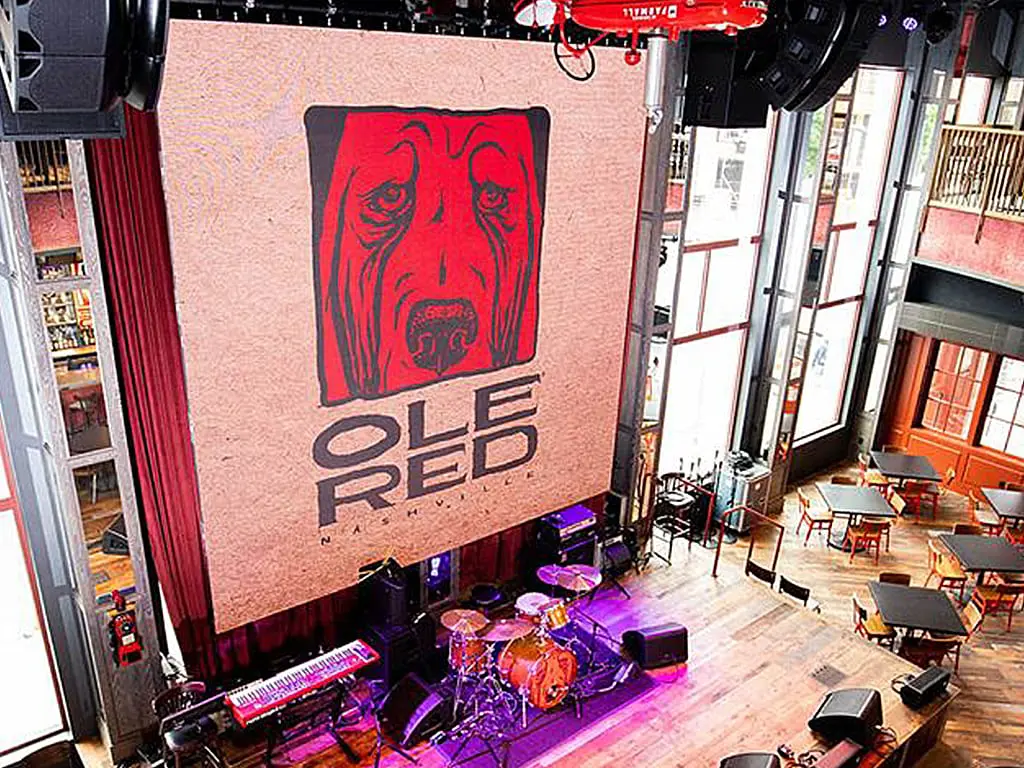
We offer creative solutions at cost-effective rates. You will be able to deliver your sermons more effectively and engage your congregation through one-of-a-kind lyric video walls and house of worship LED displays.
View More
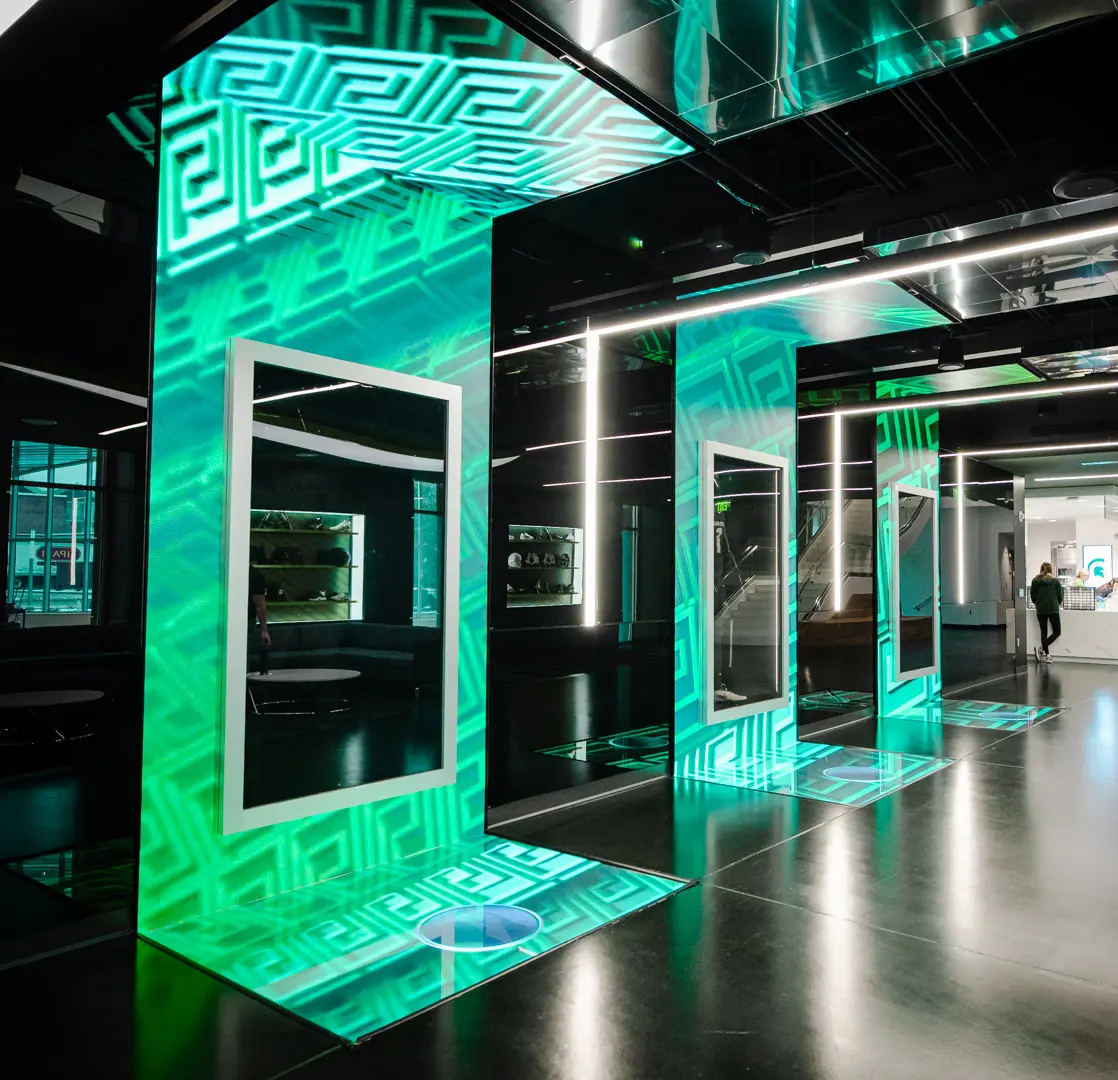
Enhance ambiance, display interactive directories and wayfinding displays, and promote amenities and events to elevate the guest experience.
View More
Incorporate digital displays to enhance your students’ learning experience and market to prospective students and donors.
View More
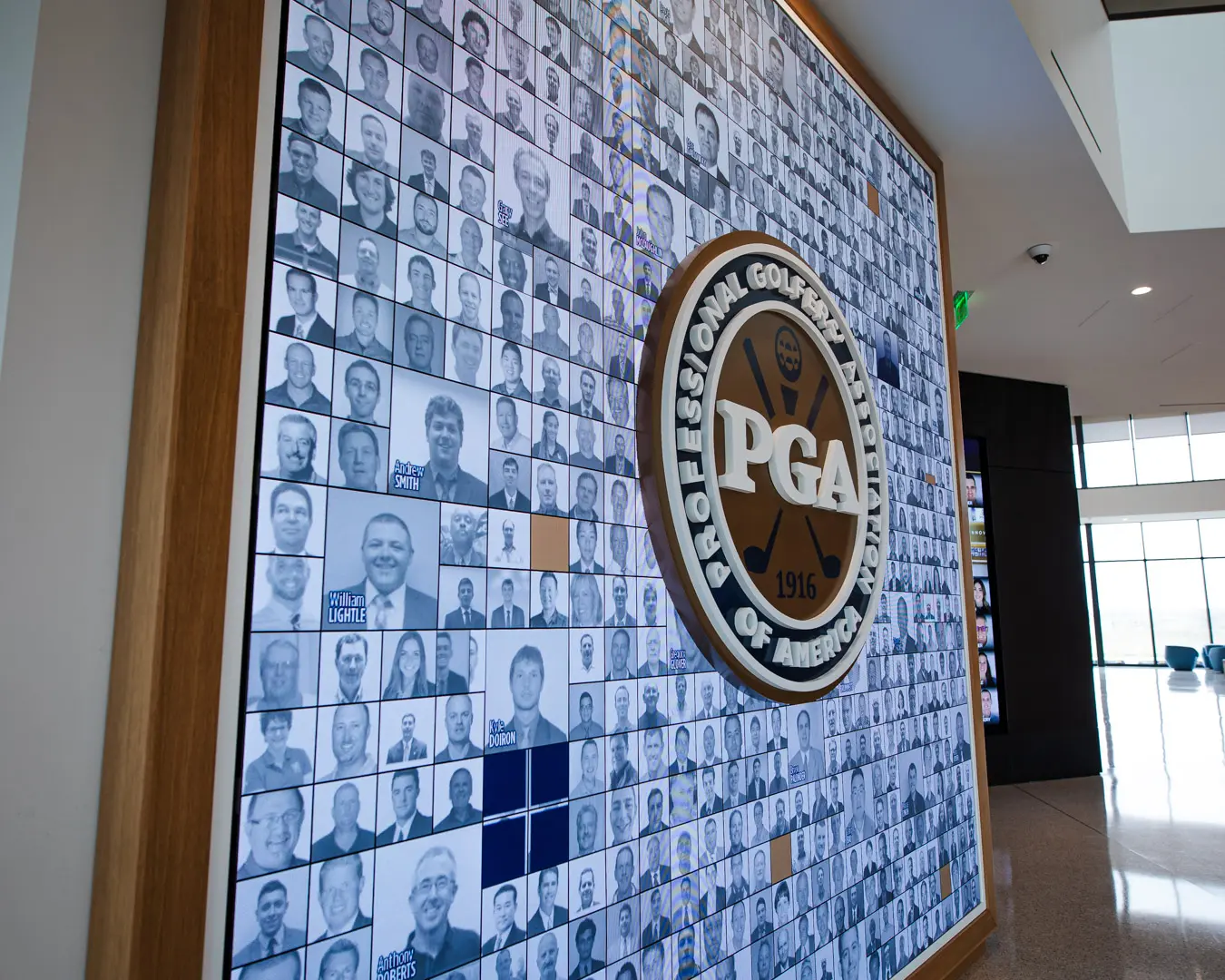
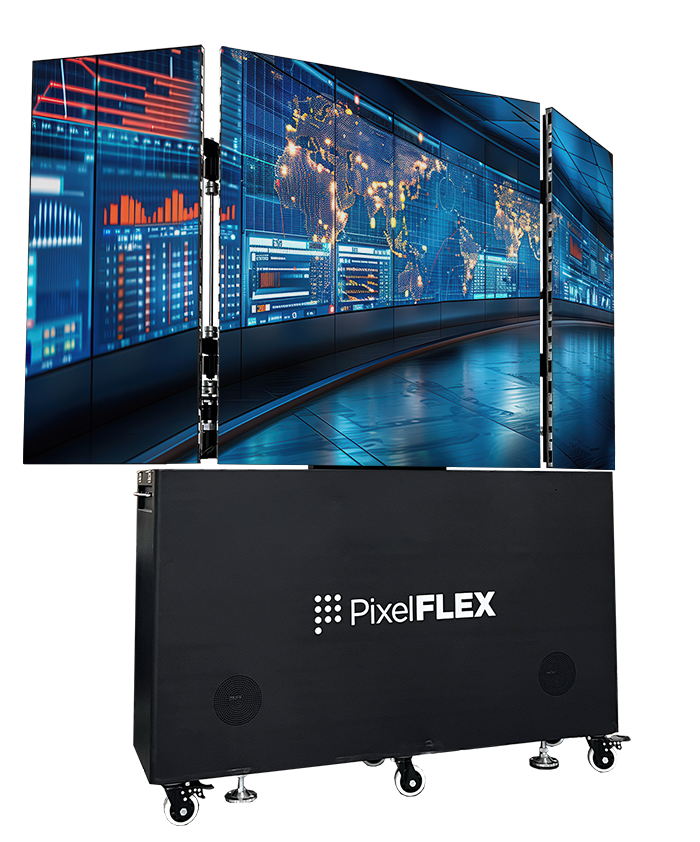
Transform your corporate spaces with PixelFLEX LED video displays. Enhance communication, elevate branding, and create dynamic environments.
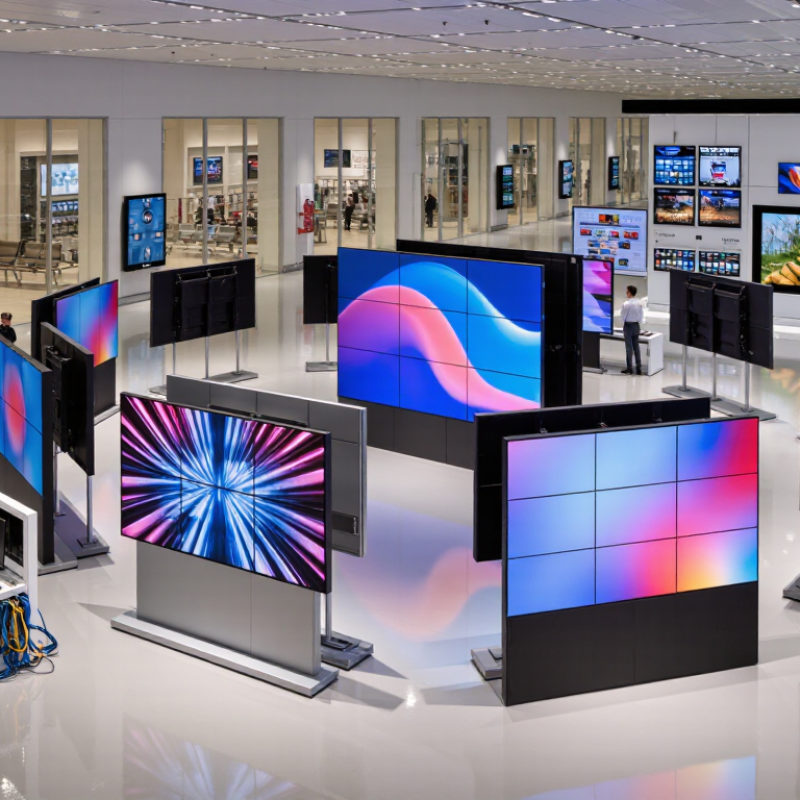
View MoreChina’s video wall display industry has moved from low-cost production toward engineering-led innovation. Manufacturers now compete through fine-pitch LED, narrow-bezel LCD, COB packaging, control software, and long-term service. Their products appear in command centers, retail stores, airports, broadcast studios, and corporate experience halls.
The market is expanding, but the evidence requires careful reading. Grand View Research has reported strong growth in the global video wall market, supported by demand for large-format digital communication and immersive viewing. MarketsandMarkets has also identified LED display technology as a major growth area, driven by falling pixel-pitch costs and wider commercial adoption. Omdia’s display research adds an important perspective: shipment volume alone does not prove product quality. Reliability, installation capability, energy use, and after-sales support matter just as much.
This guide examines China’s top 10 video wall display manufacturers through practical criteria. These include product range, pixel performance, brightness stability, service coverage, certifications, project experience, and customer feedback. It also considers whether a supplier can deliver consistent color across hundreds of cabinets, maintain spare-part availability, and support a complex control room after installation. The rankings are indicative, not absolute. Different buyers need different strengths. A rental company may prioritize lightweight cabinets, while a transport authority may demand 24-hour reliability. The numbers are persuasive. The details decide.
Some manufacturers disclose extensive technical data, while others provide limited public information. That gap deserves attention. Therefore, readers should verify test reports, warranty terms, factory capability, and reference projects before making a final purchasing decision.
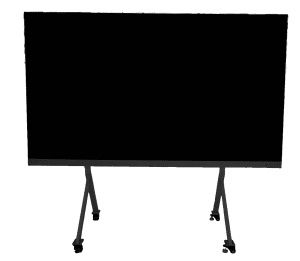
A video wall display is a large visual system built from multiple screens, LED modules, or projection units. Each section shows part of one image, while a controller aligns them into a single canvas. In a control room, four 55-inch panels may display maps, camera feeds, and sensor data at once. In retail, the same structure can cover a feature wall with changing content. It is not simply a very large television. That distinction matters.
The main performance factors are bezel width, brightness, resolution, viewing distance, color consistency, and operating hours. Narrow bezels reduce visible lines between LCD panels, but they do not remove them. Fine-pitch LED can create a nearly seamless surface, although heat, calibration, and installation costs deserve careful review. A reliable system also needs signal redundancy, accessible cabling, ventilation, and a content processor that handles different sources. These details often determine whether the wall remains useful after installation.
From practical installation experience, screen placement should follow the viewer’s eye level and normal walking path. A bright display may look impressive in a showroom, yet cause glare beside windows. Technicians should measure the room before selecting screen size. This step is easy to skip. It is also a common mistake. Maintenance planning matters too: one failed module should be replaceable without closing the entire display area. Specifications can look perfect on paper, but real performance depends on calibration, software stability, and trained support staff.
Evaluating China’s video wall manufacturers requires more than comparing online prices.
Start with the display’s intended environment. A fine-pitch LED wall may suit a control room, while a larger-pitch model can work in a shopping mall. Check brightness, viewing distance, refresh rate, contrast, and cabinet weight. Ask for a live demonstration, not only edited videos. Look closely at dark scenes, skin tones, and fast movement. Small defects become obvious across a large wall.
Factory experience matters. Request production photos, quality-control records, and sample test reports. A reliable manufacturer should explain LED binning, module replacement, calibration, and heat management in clear language. During an evaluation, inspect cabinet seams and connectors. Even a two-millimeter alignment error can create visible lines. Ask how many spare modules are supplied and how quickly technicians respond. Support is part of the product.
Do not judge quality from a polished showroom alone. It can hide practical weaknesses. Verify certifications required for your installation region, along with electrical safety documentation and warranty terms. Speak with recent customers when possible, especially those operating similar screen sizes. A factory may offer excellent hardware but weak project management. That risk is easy to miss. I would also request a small pilot installation before placing a large order. No checklist is perfect, and real site conditions often expose assumptions made during sales discussions.
The Top 10 China Video Wall Display Manufacturers should be judged beyond factory size. Buyers need stable brightness, narrow bezels, accurate color, and dependable after-sales support. Grand View Research reported that the global video wall market was valued at about USD 17 billion in 2023, with continued growth expected through 2030. This demand is visible in control rooms, transport hubs, retail spaces, and education facilities.
A reliable comparison should examine product engineering and project experience. The leading Chinese manufacturers typically offer LCD, fine-pitch LED, and direct-view LED solutions. They also provide cabinet customization, redundant power options, remote monitoring, and installation guidance. According to AVIXA’s 2024 Industry Outlook, global professional audiovisual revenue reached roughly USD 332 billion in 2023. That figure shows why service quality matters as much as display specifications. Still, a ranking can be imperfect. Public data often combines manufacturers, distributors, and system integrators. Buyers should verify production capacity, pixel consistency, warranty terms, and local technical coverage before signing contracts.
Tips: Request a sample wall under real lighting conditions. Check heat, noise, viewing distance, and content switching speed. Ask for independent test records, not only factory brochures. A lower initial price may create higher maintenance costs later. For critical installations, keep spare modules and controllers on site. Small details matter.
China’s top 10 video wall display manufacturers compete through practical engineering, not only screen size. Their product lines usually include fine-pitch LED walls, LCD video walls, outdoor displays, and rental panels. Fine-pitch LED models suit control rooms, broadcast studios, and premium meeting spaces. LCD walls remain useful where sharp text and predictable brightness matter.
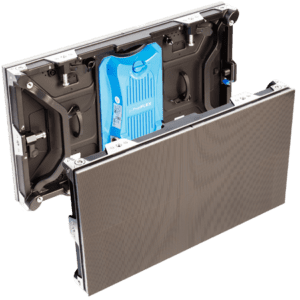
Key technologies include SMD and COB LED packaging, high-refresh-rate drivers, HDR processing, and automatic brightness control. Many manufacturers also offer video processors with 4K input, multi-window layouts, and signal redundancy. Front-service cabinets can reduce maintenance time in narrow corridors. Some product ranges include receiving cards, sending cards, mounting structures, and content-management software. This integrated approach helps installers avoid compatibility problems.
Real project performance depends on more than a datasheet. Engineers should check pixel pitch, viewing distance, calibration stability, heat management, power efficiency, and spare-part availability. Outdoor products need sealed cabinets, drainage design, and strong protection against dust and moisture. Indoor products need quiet fans and consistent grayscale. No factory is perfect. Color uniformity may drift after long operation, especially in demanding environments. Buyers should request sample testing, service records, warranty terms, and independent compliance documents before placing a large order. A low price can hide installation complexity. That detail deserves careful review.
| Profile | Primary Display Technology | Typical Pixel Pitch / Bezel | Typical Brightness | Key Technologies | Main Products Offered | Typical Applications |
|---|---|---|---|---|---|---|
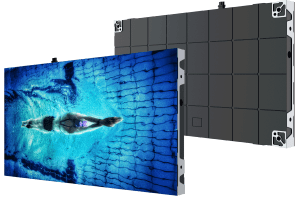
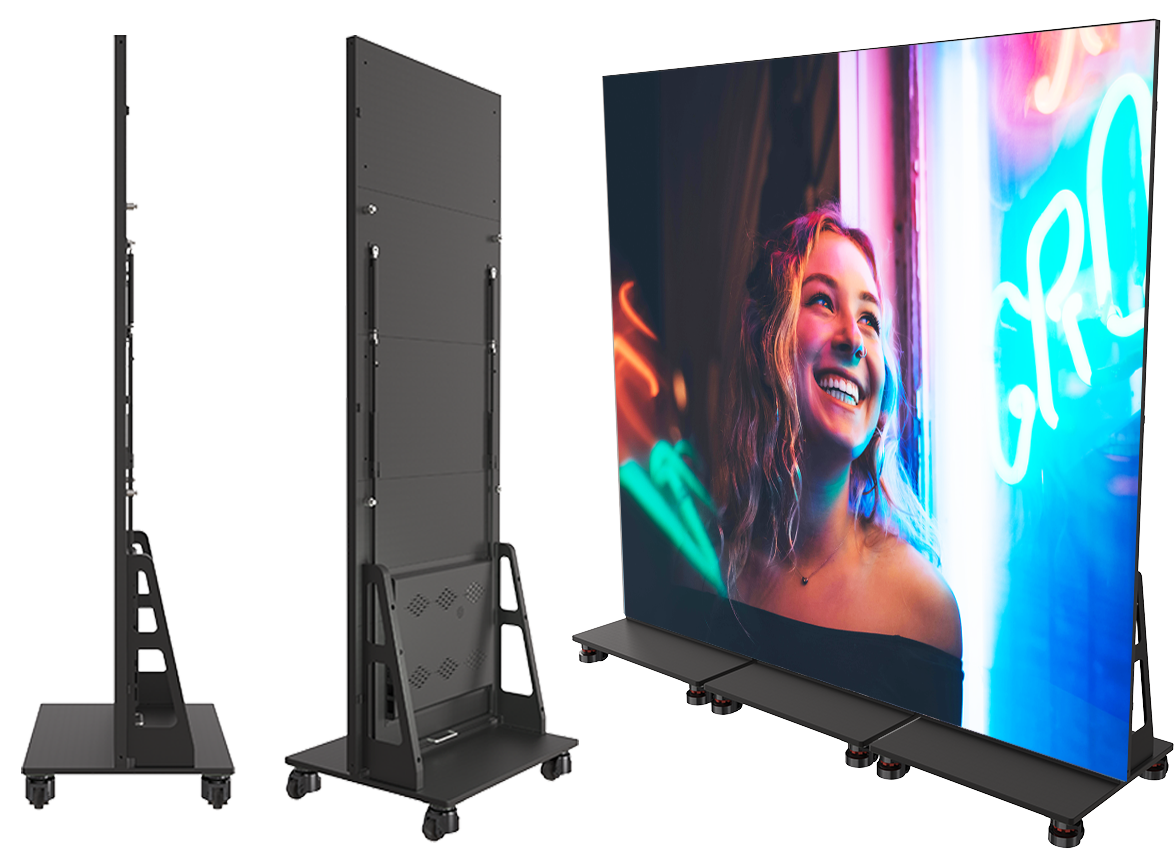
| 01 | Fine-pitch direct-view LED | 0.9–2.5 mm pixel pitch | 600–1,200 nits | COB or SMD packaging, front maintenance, HDR support, redundant power and signal options | Fine-pitch LED walls, all-in-one LED displays, control-room LED panels | Command centers, broadcast studios, executive briefing rooms |
| 02 | Indoor SMD LED | 1.5–4.0 mm pixel pitch | 800–1,500 nits | High refresh rates, grayscale processing, low scan-ratio design, modular cabinet construction | Rental LED panels, fixed-install LED walls, conference-room displays | Meeting rooms, retail stores, auditoriums, houses of worship |
| 03 | Outdoor LED | 3.9–10.0 mm pixel pitch | 4,500–8,000 nits | IP65 front protection, weather-resistant cabinets, automatic brightness control, heat dissipation | Outdoor advertising screens, stadium displays, transport information boards | Shopping centers, highways, sports venues, public squares |
| 04 | Fine-pitch COB LED | 0.7–1.5 mm pixel pitch | 600–1,000 nits | Chip-on-board encapsulation, improved surface protection, high contrast, reduced pixel damage risk | Ultra-fine-pitch LED walls, direct-view LED meeting displays | Premium control rooms, financial centers, design and visualization suites |
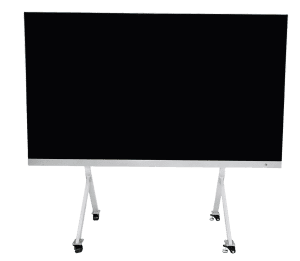
| 05 | LCD video wall | 46, 49, or 55-inch panels; 0.88–3.5 mm bezel | 500–700 nits | Narrow-bezel LCD, tiled signal processing, 24/7 commercial panels, heat and burn-in management | LCD video wall panels, wall controllers, mounting structures | Security monitoring, utility control rooms, corporate reception areas |
| 06 | Interactive LED and LCD | Fine-pitch LED or 55–110-inch interactive LCD | 350–1,200 nits | Infrared or capacitive touch, multi-touch input, wireless presentation, USB-C connectivity | Interactive flat panels, touch LED walls, digital whiteboards | Education, hybrid meetings, training centers, visitor experience spaces |
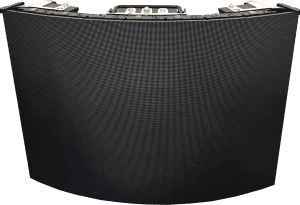
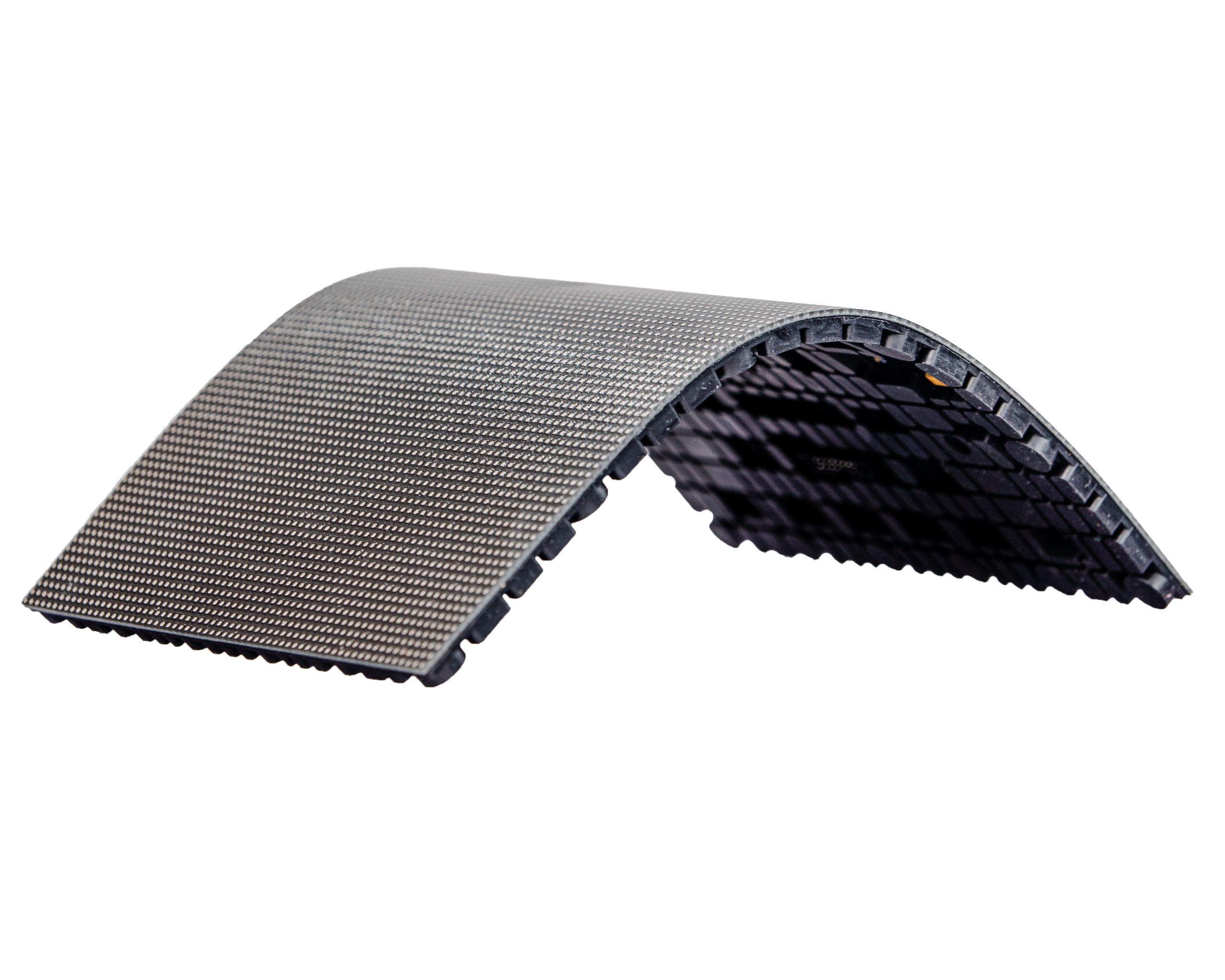
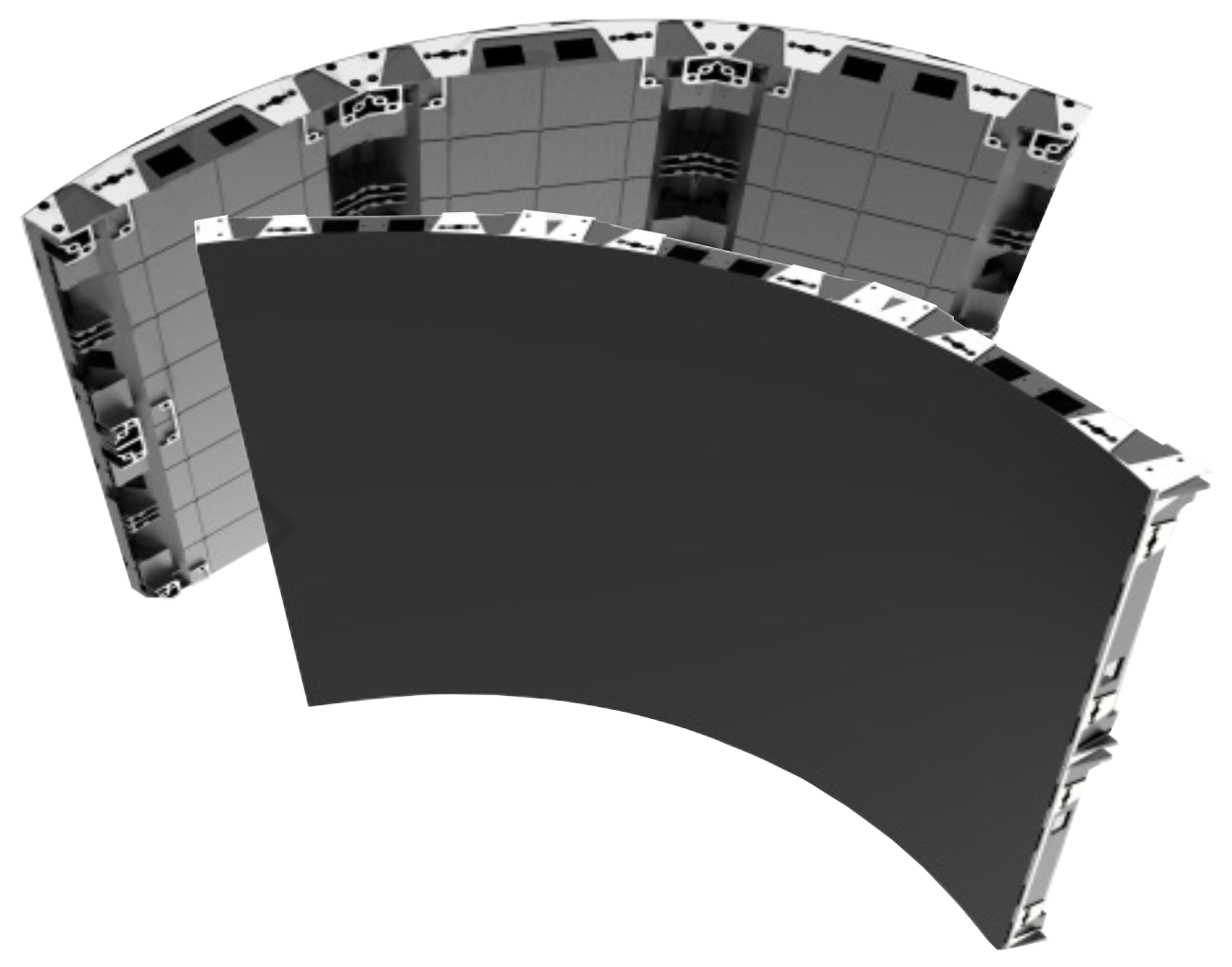
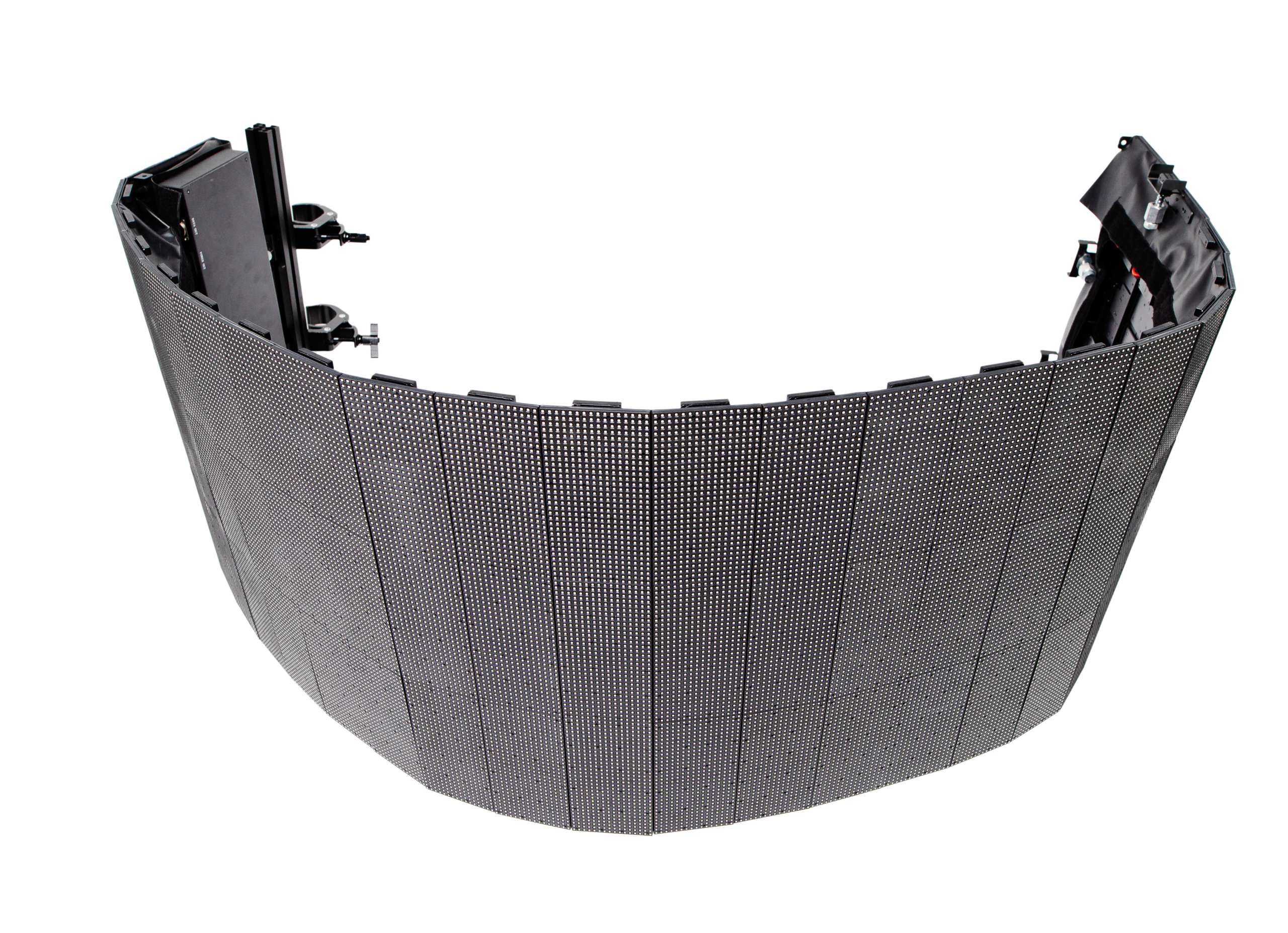
| 07 | Rental and staging LED | 2.6–6.25 mm pixel pitch | 1,000–5,000 nits | Fast-lock cabinets, lightweight die-cast frames, corner protection, curved and irregular installation support | Rental LED cabinets, mobile display systems, curved LED screens | Concerts, exhibitions, product launches, conferences |
| 08 | Transparent LED | 3.9–10.4 mm pixel pitch; approximately 60–90% transparency | 4,000–6,000 nits | Open-frame structure, high light transmittance, lightweight modules, rear or front service options | Transparent LED walls, glass façade displays, transparent window screens | Retail windows, airports, museums, architectural façades |
| 09 | Micro-LED and advanced fine-pitch LED | Below 1.0 mm pixel pitch | 600–1,500 nits | High-density packaging, low-reflection surfaces, precise calibration, high contrast and pixel uniformity | Micro-LED display walls, premium visualization screens, high-resolution LED all-in-one systems | Simulation, medical imaging, broadcast production, luxury corporate spaces |
| 10 | Customized integrated video wall systems | Project-specific LED, LCD, or hybrid configuration | 350–8,000 nits, depending on environment | Video-wall processors, multi-source switching, remote monitoring, calibration, structural integration | Turnkey control-room walls, command platforms, hybrid LED/LCD display systems | Transportation, energy, government, defense, smart-city operations |
Choosing among China’s leading video wall manufacturers requires more than comparing factory prices. MarketsandMarkets estimated the global video wall market at USD 23.2 billion in 2024, with projected growth to USD 38.8 billion by 2029. This growth increases supplier choice, but it also makes verification essential. Ask for measured brightness, contrast, refresh rate, pixel uniformity, and thermal performance. Marketing figures are not test results.
Match the manufacturer to your site conditions. A control room may need fine-pitch LED, front maintenance, redundant power, and continuous operation. A retail space may prioritize color consistency, slim cabinets, and easy content control. Request a sample cabinet before signing a large order. View it from three meters away, then inspect it at close range. Small defects become obvious under bright lighting. They are easy to overlook in a showroom.
Reliability depends on more than the display panel. Check production records, quality-control procedures, spare-part availability, installation training, and response times. ISO 9001 certification can support process credibility, but it does not guarantee project success. Require independent testing where practical, including electromagnetic compatibility and energy performance. A low quotation may hide weak calibration or expensive future service. My own caution is simple: a technically impressive factory can still be a poor fit when communication, documentation, or local support is uncertain. Get every performance promise in writing.