Top 10 LED Screen Manufacturers for Global Buyers

Choosing among the top LED screen manufacturers requires more than comparing product photos or headline prices. Buyers should examine pixel pitch, brightness, refresh rate, cabinet construction, and service coverage against the actual installation. A fine-pitch display in a control room faces different demands from a weather-exposed stadium screen. Small details matter. Ask for test reports, warranty terms, spare-part availability, and references from projects with similar operating conditions. Then compare what each supplier can document, not only what a sales presentation promises.

This guide considers global manufacturers through practical buying criteria: product range, engineering capability, customization, production consistency, and support after delivery. It also notes where public information may be incomplete. Rankings can simplify research, but they cannot replace a project-specific assessment. A buyer in one region may value local service more than the lowest quoted price. Another may need unusual cabinet dimensions or a tight installation schedule. There is no universal winner.

A named expert quotation should be checked against its original interview or publication before use. No verifiable source was provided for this request, so attributing a sentence to a real LED screen expert would risk inventing a quote. The comparisons that follow focus instead on criteria buyers can verify.

Top 10 LED Screen Manufacturers for Global Buyers

What Defines an LED Screen Manufacturer

What Defines an LED Screen Manufacturer

An LED screen manufacturer does more than assemble cabinets and attach display modules. It typically manages product design, component selection, production, and quality checks. The depth of that work varies. Some companies build core components in-house; others rely on specialist suppliers and focus on integration. Buyers should ask which tasks happen at the factory and which are outsourced.

Look for evidence in practical details. A reliable manufacturer can explain pixel pitch choices, brightness limits, refresh-rate testing, and how heat is managed inside a cabinet. Ask to see test records for color uniformity and dead pixels. A close inspection matters. Check connector fit, cabinet alignment, and cable labeling—not just a polished demonstration. Weather-rated displays should have documented protection levels suited to their installation, rather than vague claims of being “outdoor ready.”

After-sales support is part of the product. Confirm spare-parts availability, repair procedures, warranty terms, and access to technical staff. Request references for projects with similar screen sizes and operating conditions. Then verify them. A strong specification sheet can still leave gaps, and I would not treat one successful demo as proof of long-term reliability. Even careful checks cannot remove every risk; components and installation conditions can differ.

LED Display Technologies and Product Categories

LED display technology is not one-size-fits-all. Surface-mounted diode displays are common in indoor and outdoor screens, with pixel pitch shaping image detail at different viewing distances. Chip-on-board designs place LEDs closely together, creating a smooth surface that can suit fine-pitch indoor use. MicroLED is an emerging option, but availability, cost, and maintenance needs vary. Each has trade-offs.

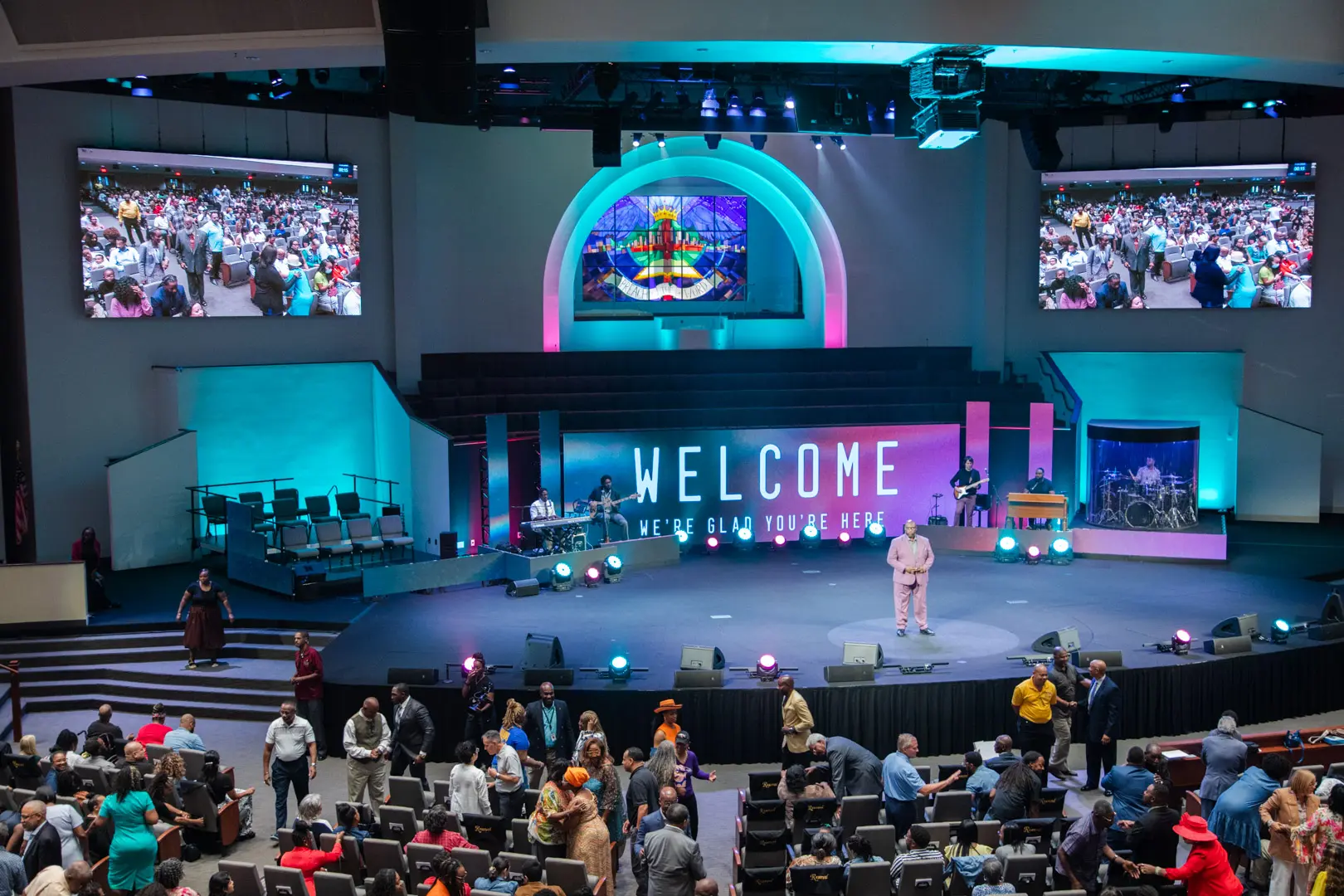
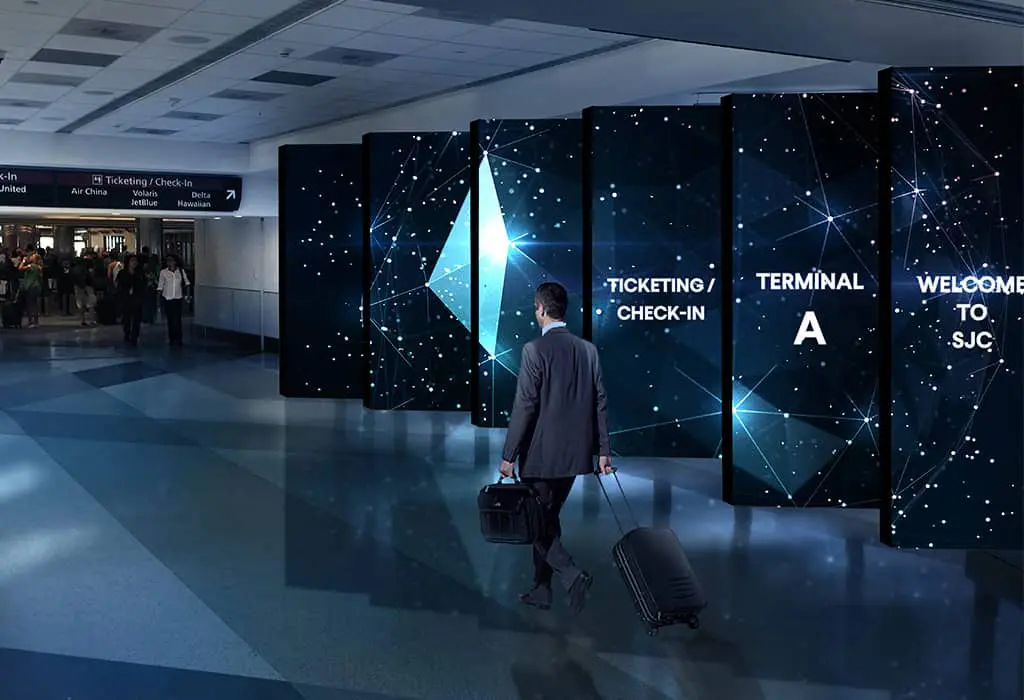
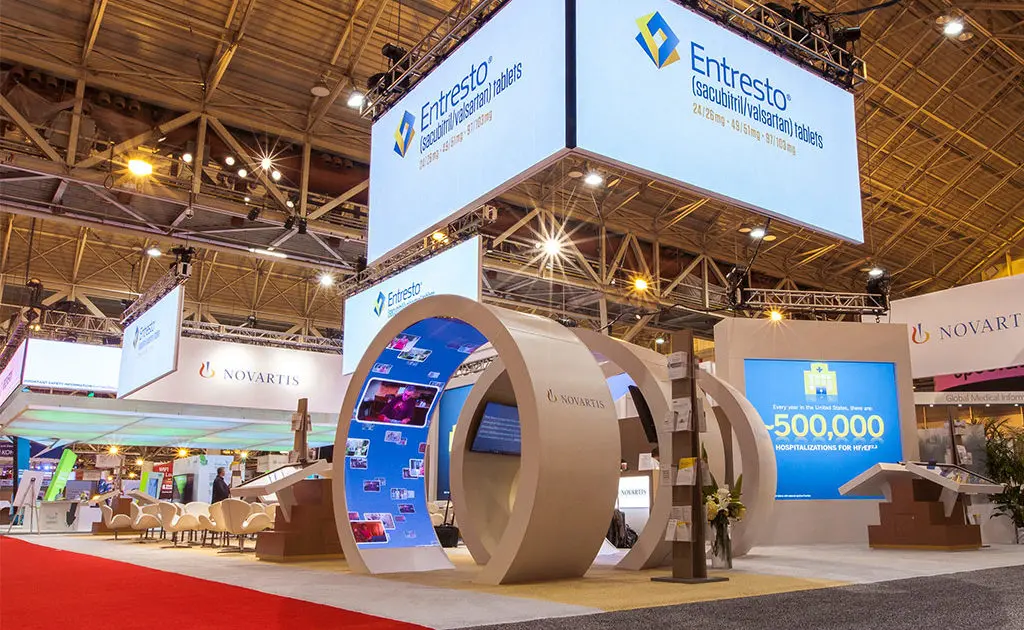
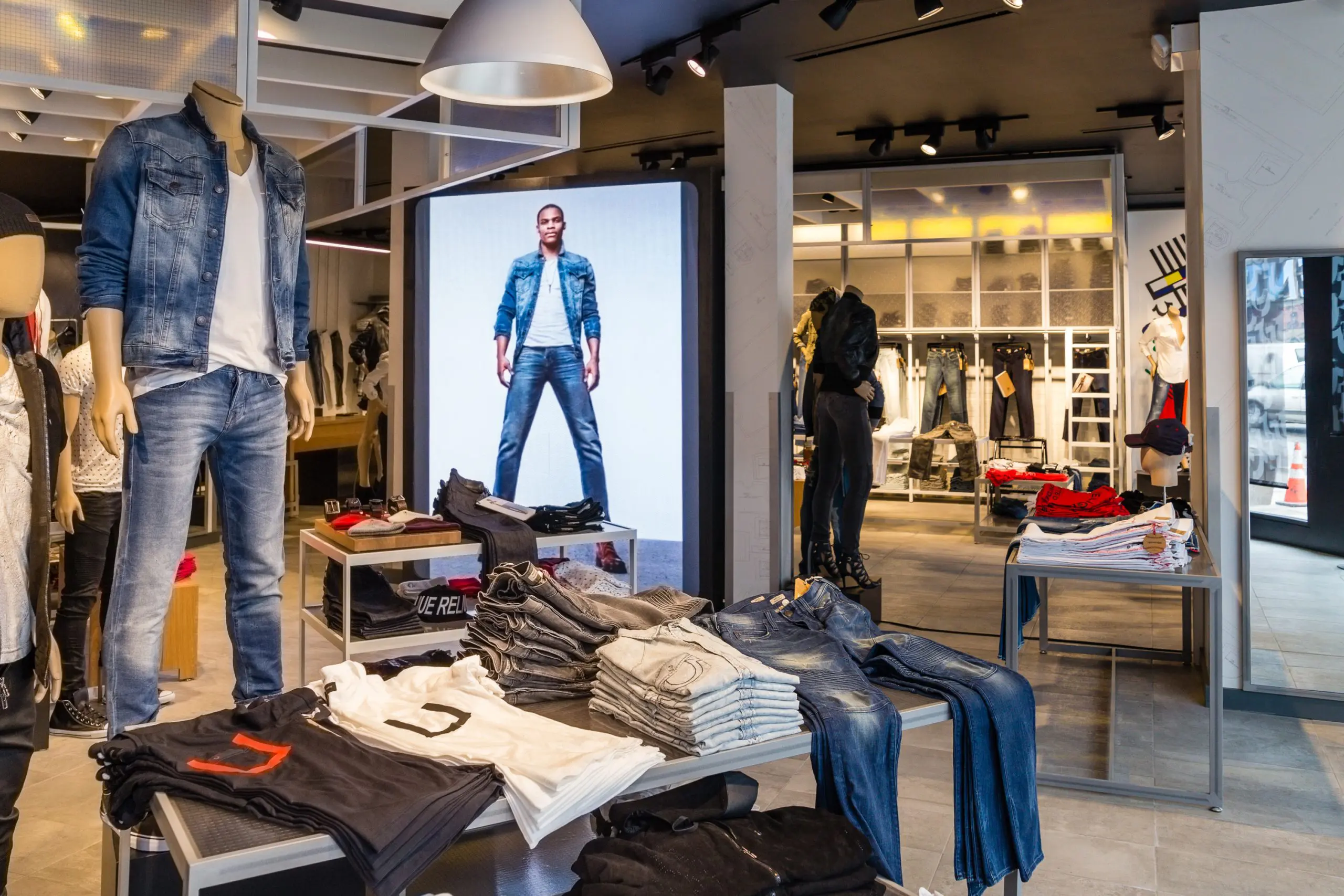
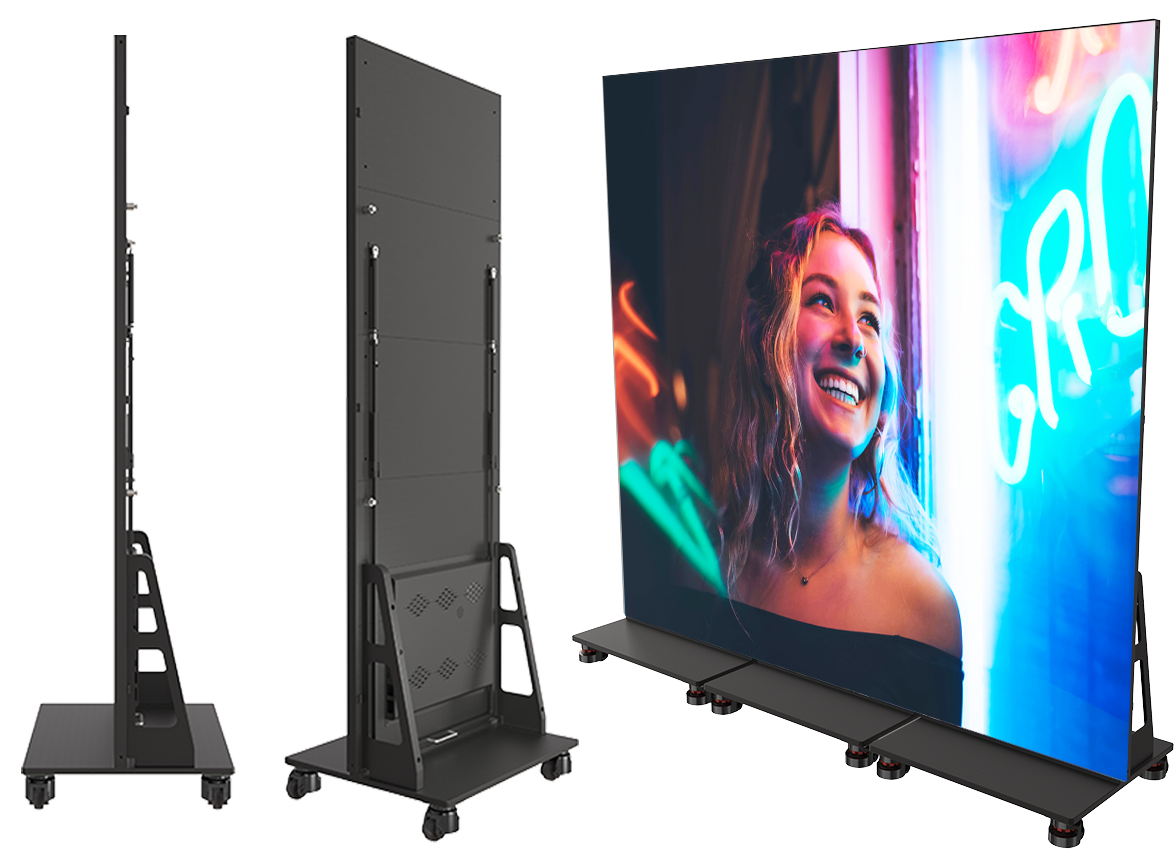
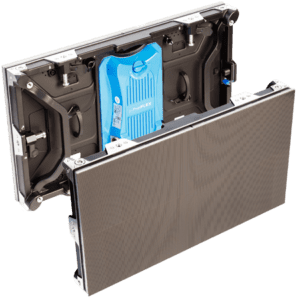
Product categories matter just as much. Fixed-installation screens are designed for venues such as shops, meeting rooms, and transport hubs. Rental displays use modular cabinets that crews can assemble and dismantle for events. Outdoor models need suitable brightness, weather protection, and readable contrast under changing daylight. In practical evaluations, check cabinet weight, service access, and power requirements alongside image quality. Small details matter. A specification sheet rarely shows how a screen will look from the back row, or how difficult a panel is to reach after installation.

Tips: Match pixel pitch to viewing distance, then test sample content at the intended brightness. Ask for measured power data and confirm how damaged modules can be replaced. Not always obvious. Also consider viewing angles; a display may look different from the aisle than from directly in front.

Top 10 LED Screen Manufacturers for Global Buyers - LED Display Technologies and Product Categories

Technology and product-category comparison—not a company ranking. Specifications below are indicative market ranges; actual performance varies by product design and configuration.

No. Product category Typical pixel pitch Typical brightness Common applications Key buying considerations
1 Indoor fine-pitch LED About 0.9–2.5 mm About 500–1,200 nits Control rooms, studios, corporate lobbies, premium retail Viewing distance, grayscale performance, calibration, service access
2 Standard indoor LED About 2.5–4 mm About 800–1,500 nits Auditoriums, conference spaces, shopping centers Audience viewing distance, refresh rate, installation method
3 Outdoor fixed-installation LED About 4–10 mm About 4,000–8,000 nits Building façades, roadside signs, public venues Weather protection, sunlight readability, wind load, maintenance access
4 Indoor rental LED About 1.9–3.9 mm About 800–1,500 nits Exhibitions, conferences, concerts, temporary stages Fast assembly, cabinet weight, corner protection, spare parts
5 Outdoor rental LED About 2.9–6.9 mm About 4,000–6,500 nits Outdoor festivals, touring events, temporary advertising Ingress protection, rigging options, brightness control, repair speed
6 Transparent LED Often about 3.9–10 mm or wider Varies by design and ambient light Glass façades, storefronts, atriums, event staging Transparency, viewing angle, installation structure, visibility in daylight
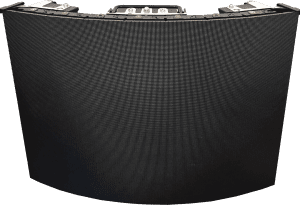
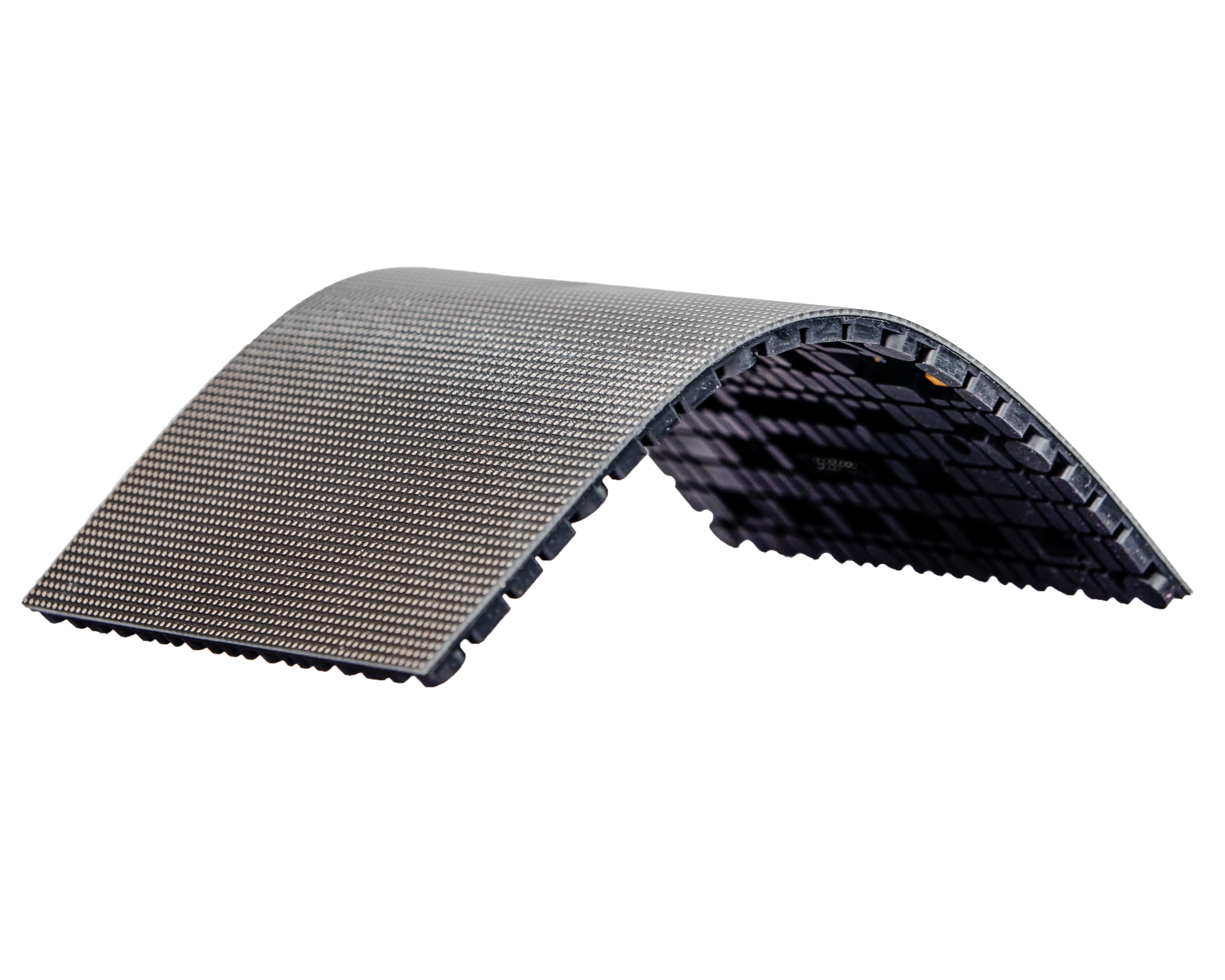
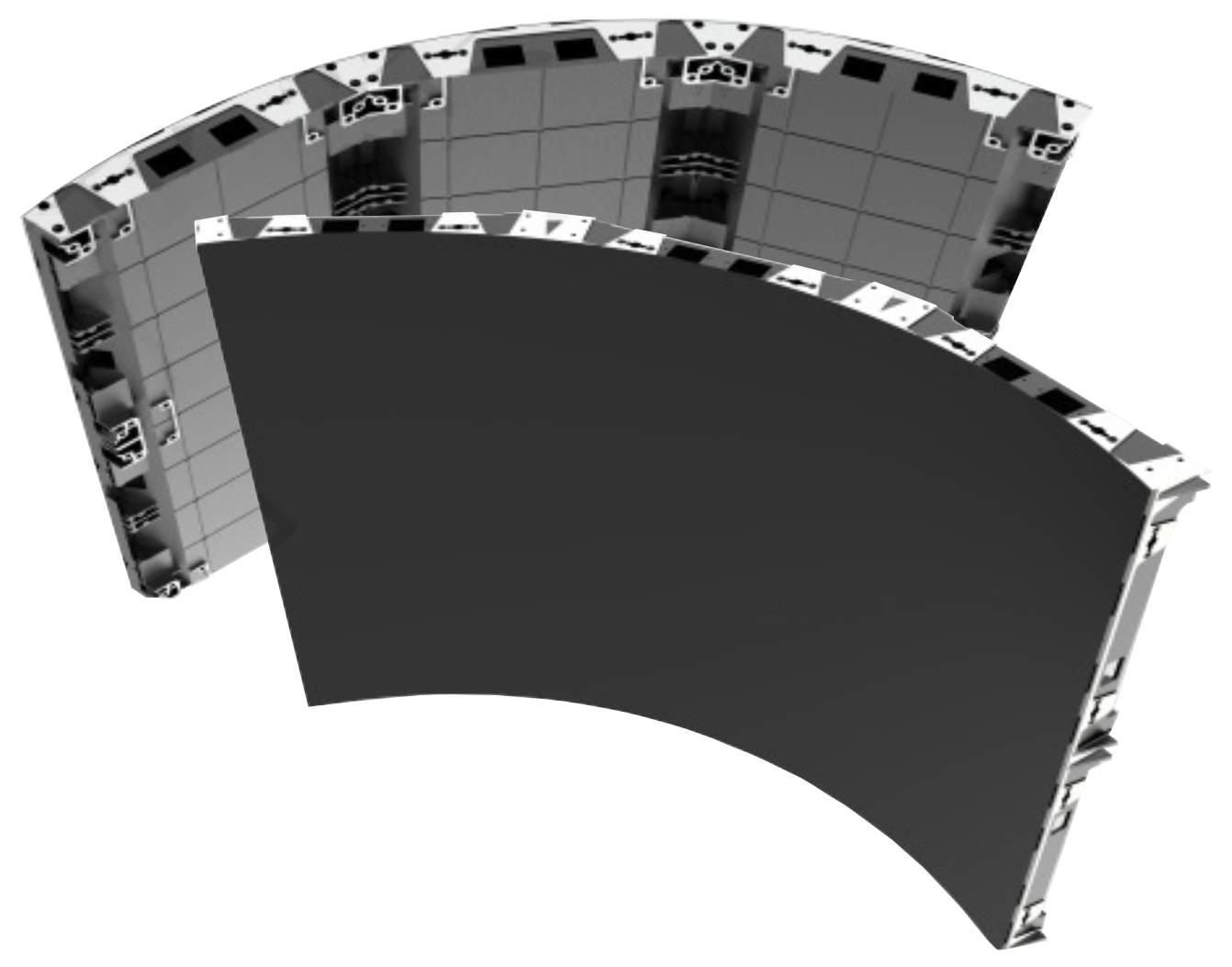
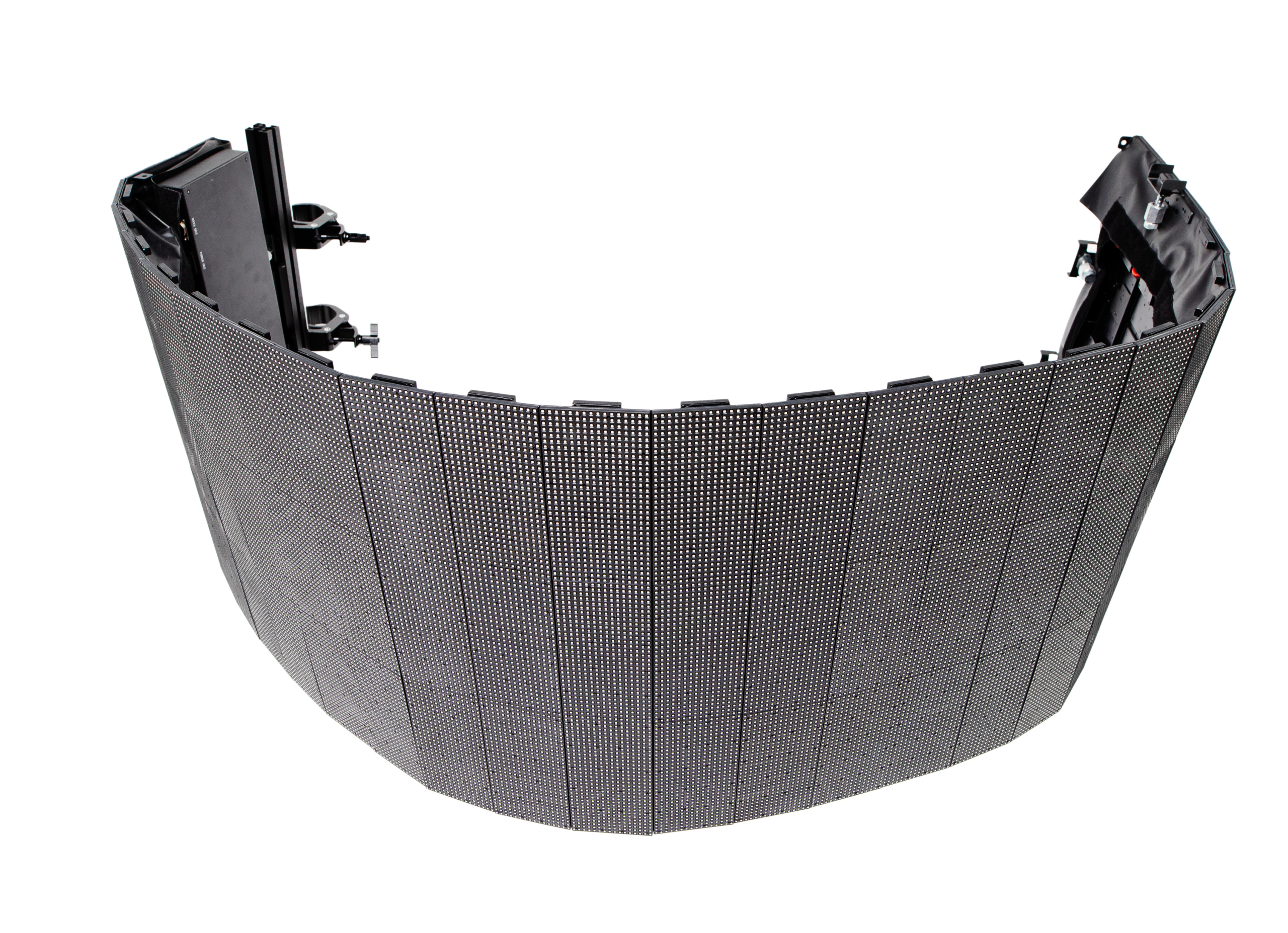
7 Flexible or curved LED Commonly about 1.5–4 mm Typically about 600–1,500 nits indoors Curved columns, creative displays, shaped stage backdrops Minimum bend radius, mounting system, module replacement, shape limits
8 LED floor and interactive display About 2.6–6.25 mm Often about 1,000–4,000 nits Stages, museums, retail activations, experiential spaces Load rating, slip resistance, impact protection, heat dissipation
9 Sports perimeter LED About 6–10 mm Typically about 5,000–8,000 nits outdoors Stadium sidelines and arena advertising boards Impact protection, camera refresh performance, viewing angles, safety padding
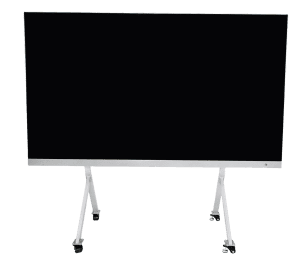
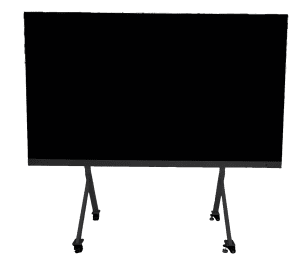
10 All-in-one LED display Often about 1.2–2.5 mm Usually designed for indoor environments Meeting rooms, classrooms, presentation spaces Integrated control system, screen size, connectivity, installation and support
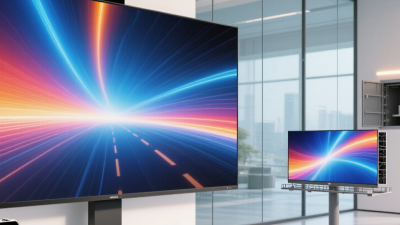
Note: Pixel pitch, brightness, protection ratings, and other specifications differ across models. Confirm the required viewing distance, environment, certifications, warranty, and local service arrangements before purchase.

Criteria for Evaluating Manufacturers for Global Buyers

Global buyers should assess more than pixel pitch and quoted price. Request independent test reports for brightness, color uniformity, refresh performance, power draw, and thermal behavior. Ask how measurements were taken, and compare results under the same settings. Small details matter. A bright screen may look impressive in a showroom but perform differently under direct sun or after hours of continuous use. Check documented quality controls, electrical safety evidence, and environmental ratings suited to the installation site. Confirm the exact warranty terms, including labor, shipping, and replacement-module availability.

Serviceability deserves equal weight. The Global E-waste Monitor 2024 reports that

62 million tonnes of electronic waste were generated worldwide in 2022, while only 22.3% was documented as formally collected and recycled.

This makes repair access, replaceable components, and take-back arrangements practical evaluation criteria—not just sustainability claims. Ask for spare-parts lead times, local service coverage, and a clear escalation path. Ask for proof. A supplier’s response time should be tested before a project depends on it; request a sample service case with realistic timelines. Review packaging, shipment protection, and commissioning support too.

A detailed checklist helps, but it cannot reveal every weak point. I would still verify references from installations with similar climate, operating hours, and screen size.

Top 10 LED Screen Manufacturers and Their Specialties
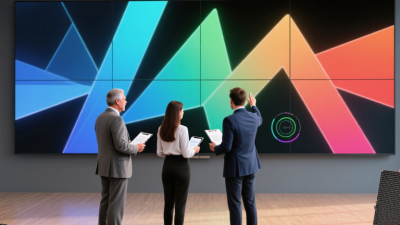
Top 10 LED Screen Manufacturers and Their Specialties

Global buyers can compare manufacturers by the problems their products solve. Some focus on fine-pitch indoor screens, where close viewing makes pixel spacing and color consistency especially important. Others specialize in outdoor displays, using bright panels and weather-resistant cabinets for changing conditions. Rental manufacturers prioritize lightweight frames, quick locks, and serviceable modules. Touring crews notice setup time. Transparent-screen specialists balance visibility through the display with image clarity, while flexible-screen makers build panels for curved columns and unusual surfaces.

Other common specialties include sports perimeter screens, control-room walls, large-format digital-out-of-home displays, integrated conference screens, and custom architectural installations. Each demands different cabinet design, brightness, maintenance access, and image processing. Details matter. A manufacturer experienced in stadium installations may not be the best fit for a quiet corporate lobby. Ask for measured brightness, refresh-rate data, spare-parts guidance, and examples of comparable projects. Check how technicians replace a module, not just how the finished screen looks. Specifications can be impressive, yet real performance depends on installation, calibration, and viewing distance. Not always obvious. A careful shortlist should match the intended environment and support needs, while leaving room to question claims that lack clear test conditions.

LED Screen Technology Specialties: Pixel Pitch and Viewing Distance

LED screen products range from fine-pitch displays for close viewing to larger-pitch displays for longer viewing distances. This chart uses a common rule of thumb: a pixel pitch of 1 mm corresponds to an approximate minimum viewing distance of 1 m. Actual suitable viewing distance varies with content, installation, and viewing conditions.

Global Sourcing, Compliance, and After-Sales Support

Top 10 LED Screen Manufacturers for Global Buyers

Choosing an LED screen manufacturer for an overseas project takes more than comparing prices. Ask how the supplier checks product quality, documents technical specifications, and prepares shipments for your destination. Confirm that test reports, safety documents, and labeling match the requirements that apply to your market. Requirements can vary, so verify them with qualified local advisers rather than relying on a sales assurance. Request a sample or a live demonstration. Check brightness, color consistency, cabinet seams, and connector fit under realistic conditions. A clear answer matters.

Tips: Get warranty terms, spare-parts availability, and response times in writing. Ask who pays for shipping during repairs and how support works across time zones. Keep a record of agreed specifications.

After-sales support is easiest to judge before a purchase. Ask for a named technical contact, setup guidance, and troubleshooting steps for common faults, such as a dark module or loose data cable. Confirm whether replacement parts can be identified by model and shipped promptly. For large installations, agree on commissioning support and operator training. Keep the first order modest when possible; it can reveal packaging or communication gaps before a full rollout. Even a detailed checklist may miss something, so leave time for testing and revise your process after delivery.

Need Help?
X

Ready to Talk?

Our team is ready to connect.