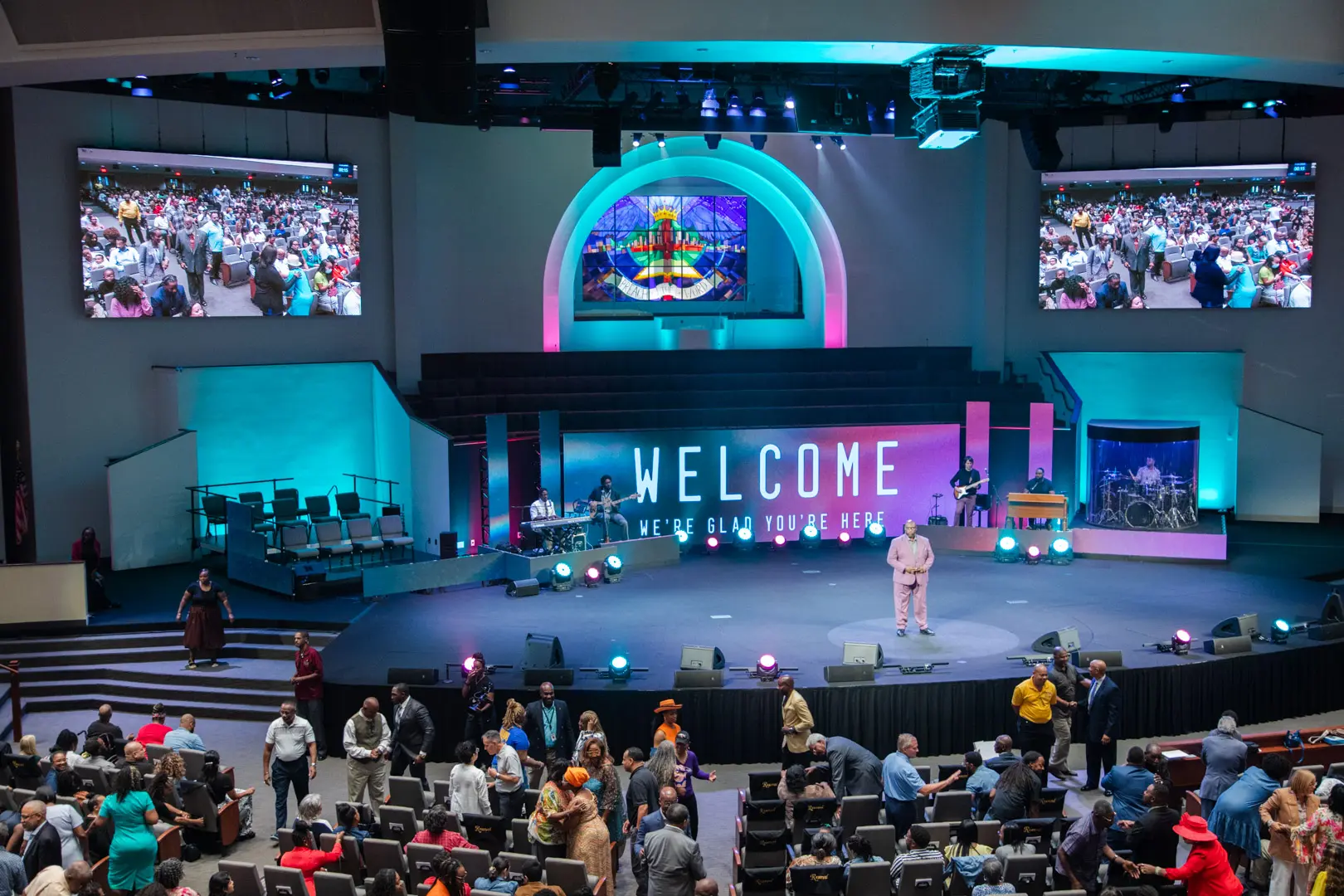
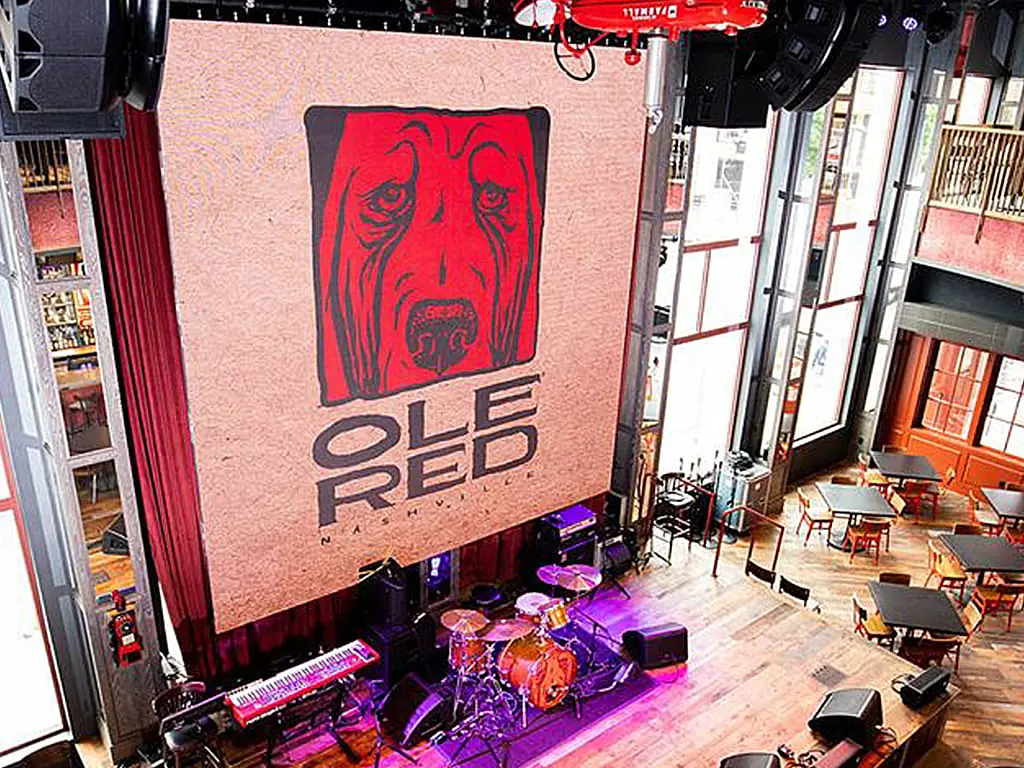
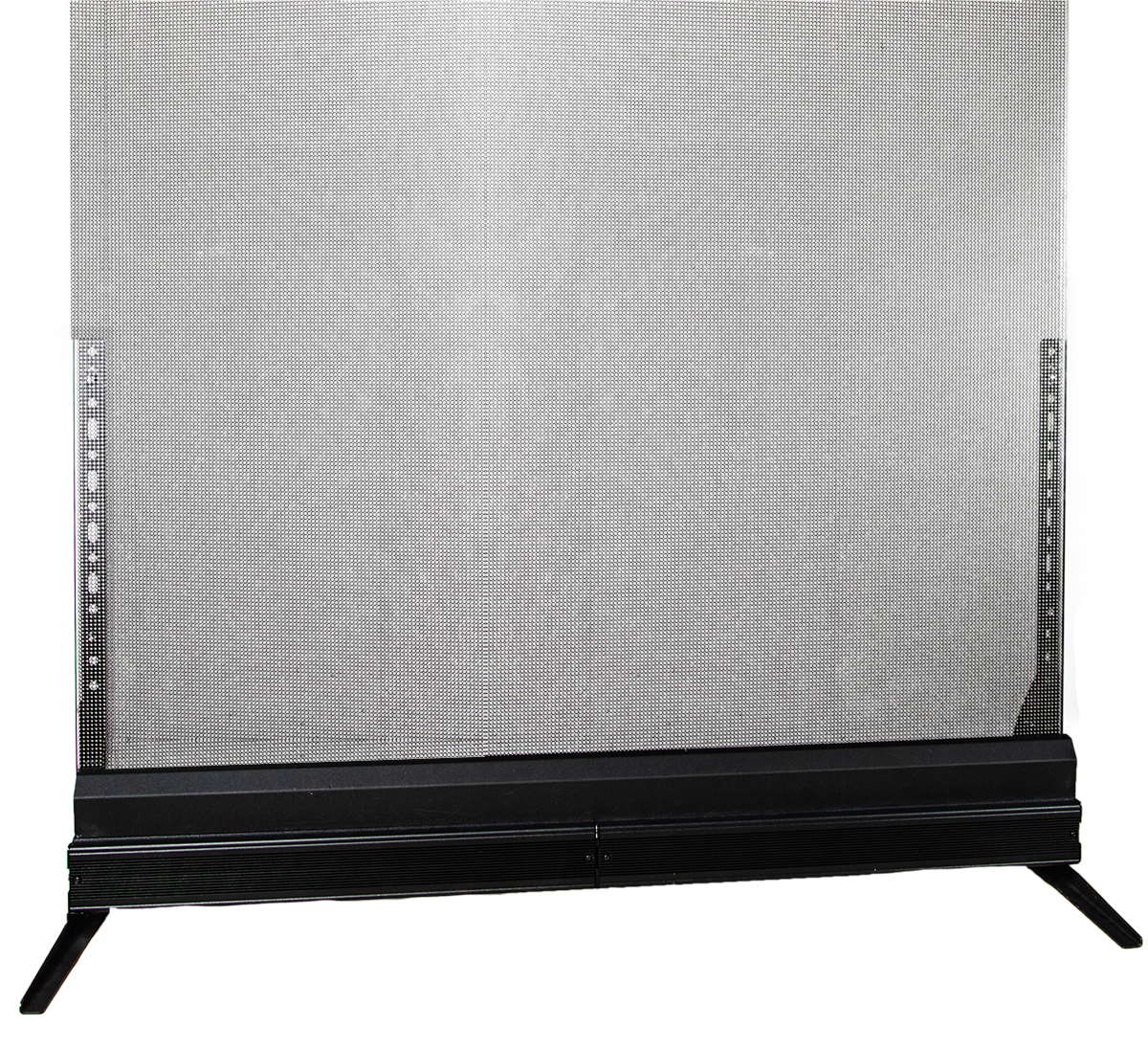
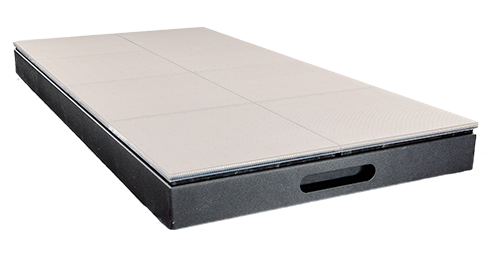
Communicate worship schedules and sermon messages while engaging your congregation with visual technology.
View More
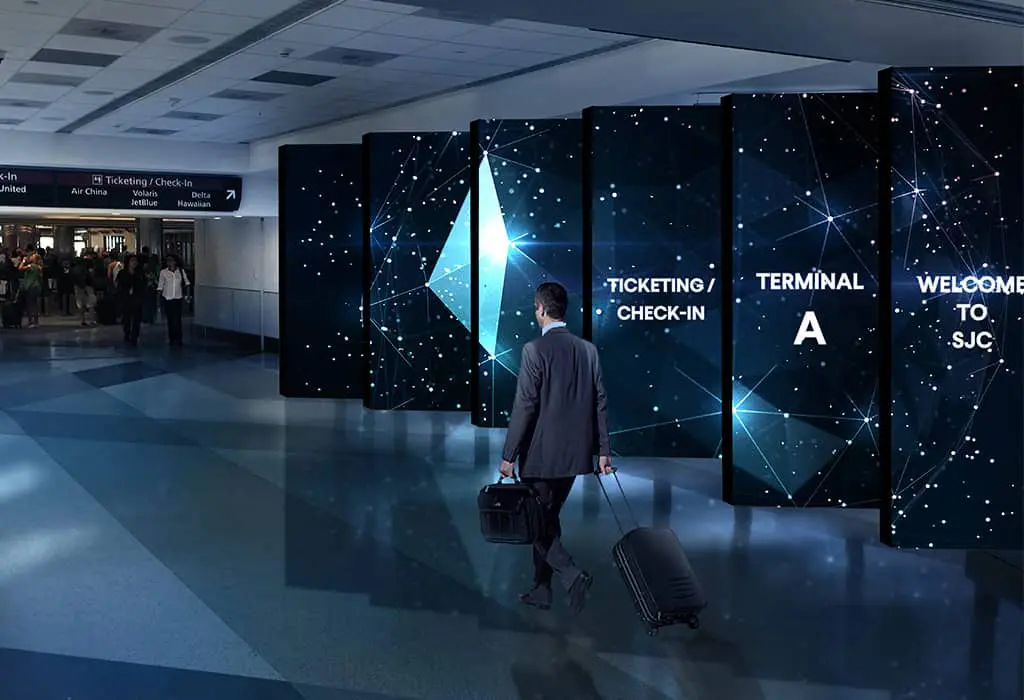
LED displays in transportation settings, such as airports, train stations, and bus terminals, serve as dynamic platforms for real-time information, advertising, and wayfinding, enhancing passenger experience with clear, up-to-date travel details and announcements.
View More
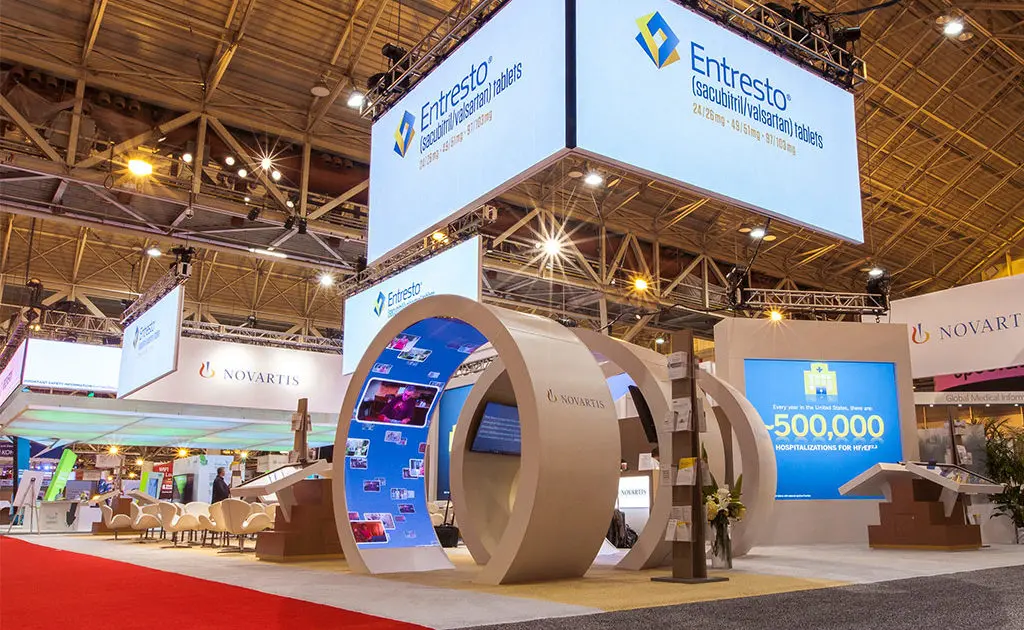
Differentiate yourself from the competition by incorporating a digital experience in your booth with our trade show LED displays.
View More
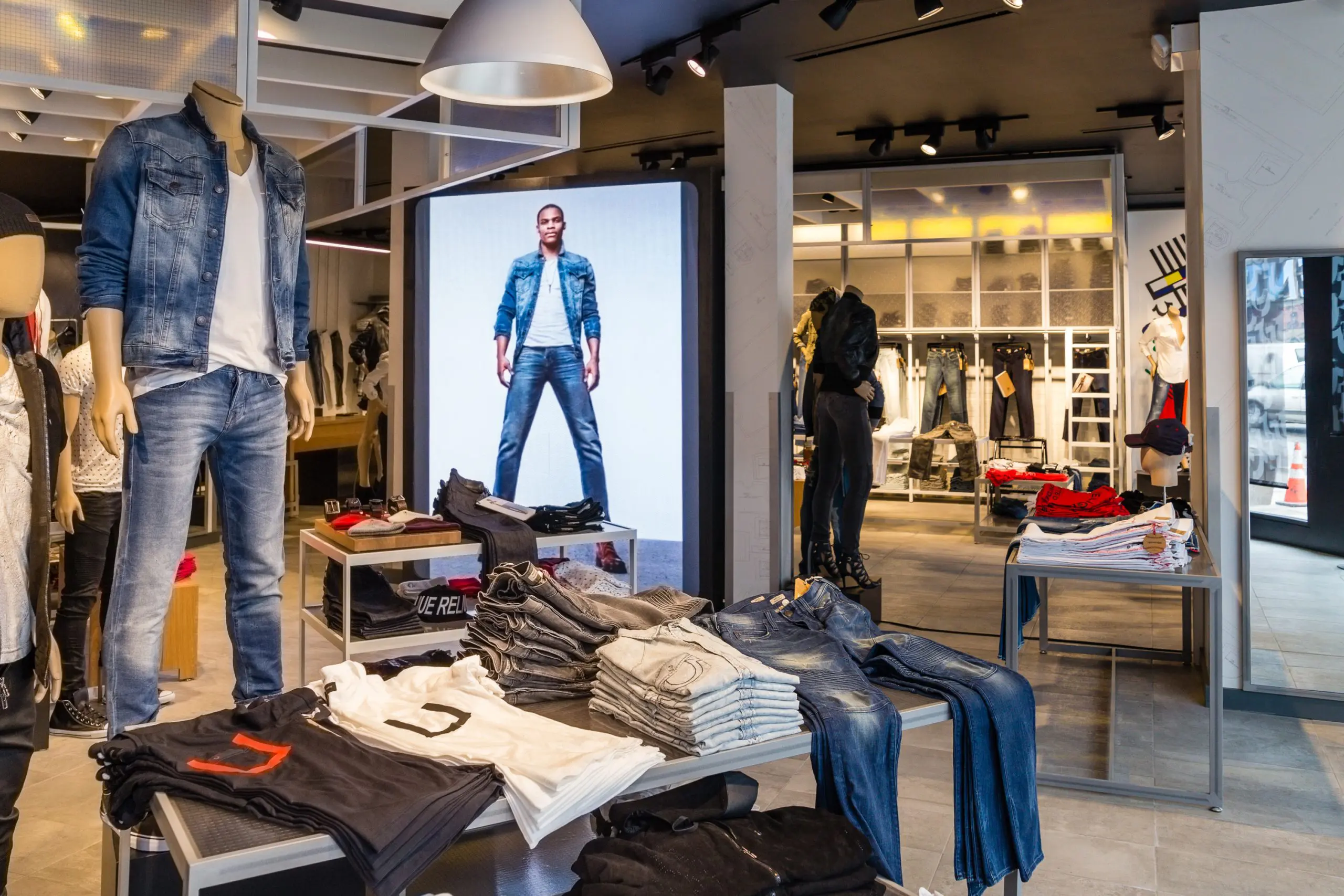
Communicate your brand’s message, stand out from the competition and engage your target market with LED digital signage.
View More
We offer creative solutions at cost-effective rates. You will be able to deliver your sermons more effectively and engage your congregation through one-of-a-kind lyric video walls and house of worship LED displays.
View More
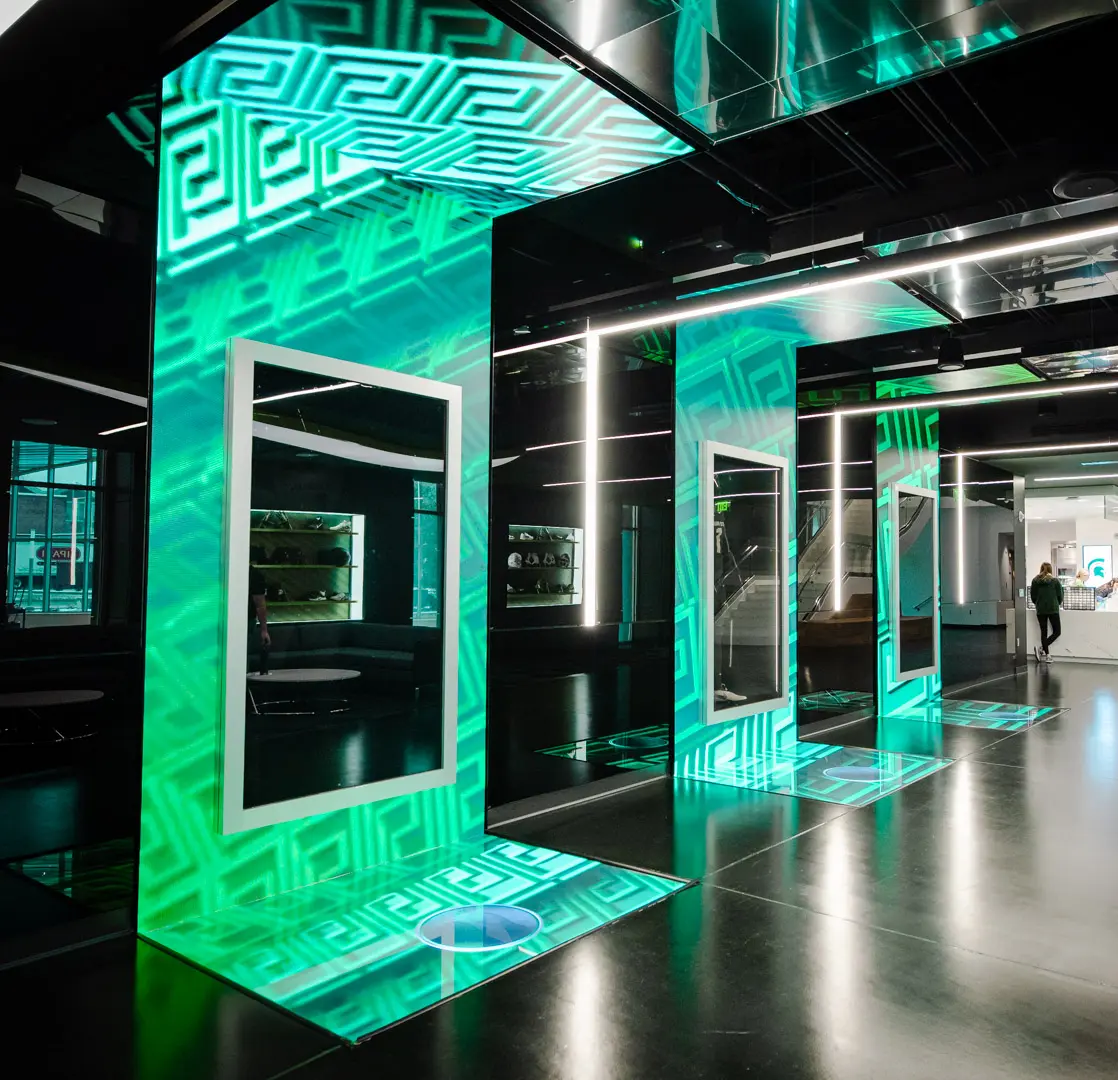
Enhance ambiance, display interactive directories and wayfinding displays, and promote amenities and events to elevate the guest experience.
View More
Incorporate digital displays to enhance your students’ learning experience and market to prospective students and donors.
View More
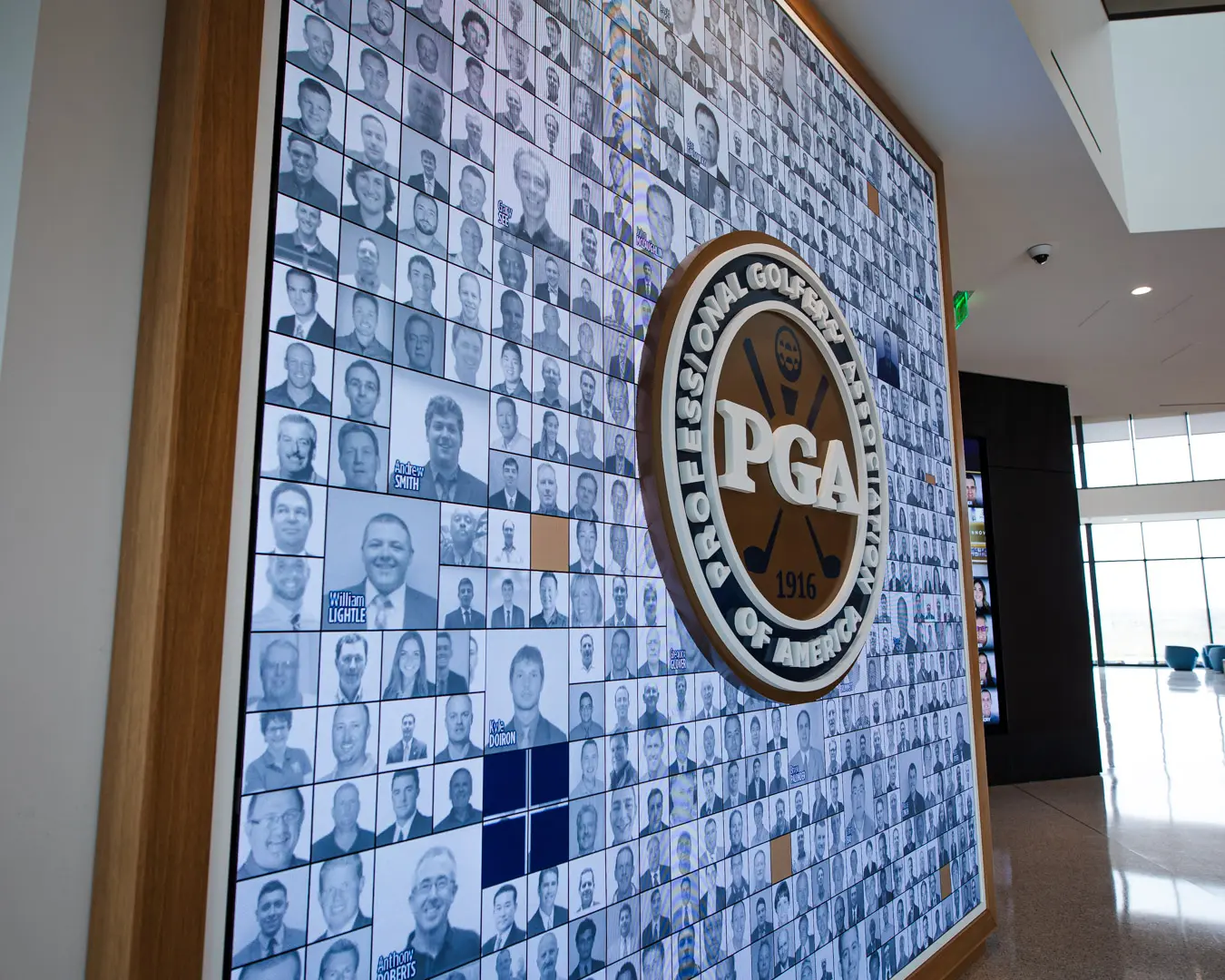
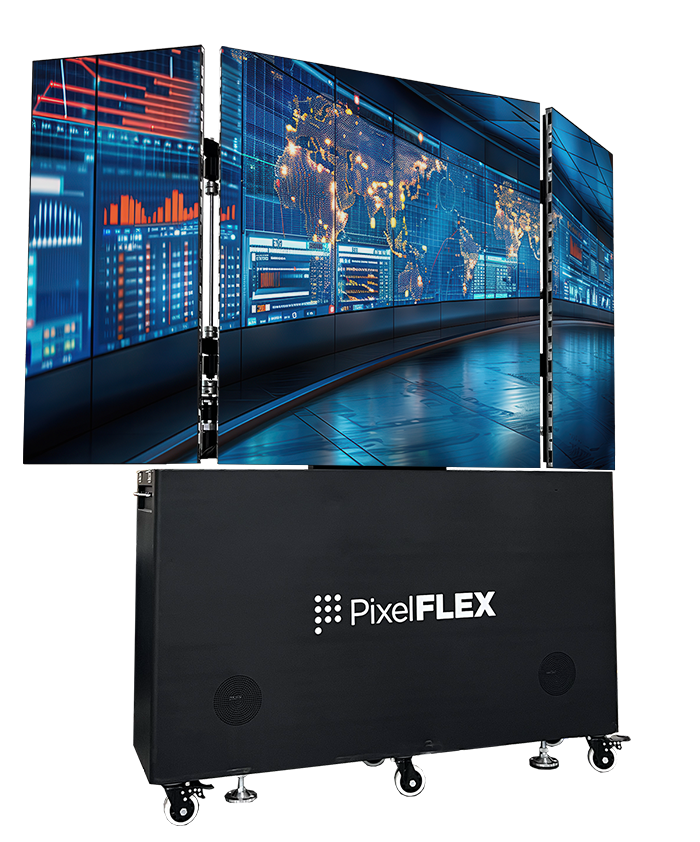
Transform your corporate spaces with PixelFLEX LED video displays. Enhance communication, elevate branding, and create dynamic environments.
View MoreChoosing an LED display screen is less about picking the brightest panel than matching it to a real setting. A retail window, meeting room, stadium, and touring stage all create different demands. Viewing distance matters. So do ambient light, installation space, and service access. This guide explores ten display types, including fine-pitch indoor walls, outdoor signs, rental cabinets, transparent panels, flexible screens, and LED floors. Each serves a different purpose, and none is ideal everywhere.
The comparisons focus on practical buying questions: pixel pitch, brightness, cabinet design, control systems, and maintenance. For example, a screen viewed from two meters away may need finer pixel spacing than a roadside display. An outdoor installation also needs protection from rain and dust. Small details count. A screen that looks impressive in a showroom may be awkward to reach once installed above a shop entrance. Real venues are messy.
Specifications help narrow the options, but they cannot replace measurements of your site or a clear viewing-distance estimate. Some needs also change after installation; that is worth considering before choosing a fixed design. Use the list as a grounded starting point, then confirm technical details, warranty terms, and support with the supplier. The right choice balances image quality, operating conditions, budget, and long-term care—not just headline brightness.
An LED display screen creates images by controlling many tiny light-emitting diodes arranged in pixels. Each pixel combines red, green, and blue light to produce a range of colors. Pixel pitch describes the distance between neighboring pixels; a smaller pitch usually suits closer viewing. But closer spacing alone does not guarantee a better screen.
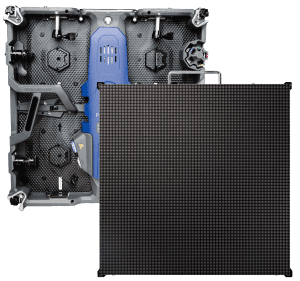
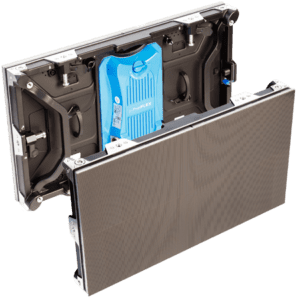
The visible surface is only one part. LED packages sit on circuit boards, while driver chips regulate their brightness and timing. Power supplies convert incoming electricity into stable operating power. A control system sends image data to receiving cards, which distribute it across modules. Those modules fit into cabinets that provide structure and help protect internal parts. Cooling matters, too. Trapped heat can shorten component life, especially in enclosed installations.
Buyers should match these components to the viewing distance, operating hours, and environment. A bright outdoor screen may need weather-resistant cabinets and stronger brightness control; an indoor screen may prioritize finer pixel pitch. Refresh rate, color calibration, and service access also affect everyday performance. Specifications can look reassuring on paper. Real viewing conditions are less tidy: sunlight shifts, temperatures change, and colors may drift over time. I would check how modules can be replaced and whether maintenance access is practical before judging a display by resolution alone.
LED display screens are best compared by design, location, and function. Ten common types include indoor, outdoor, rental, fixed-installation, transparent, flexible, curved, floor, fine-pitch, and mobile screens. These categories can overlap. A fine-pitch screen, for example, may be an indoor fixed installation.
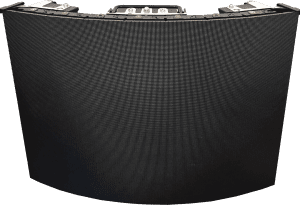
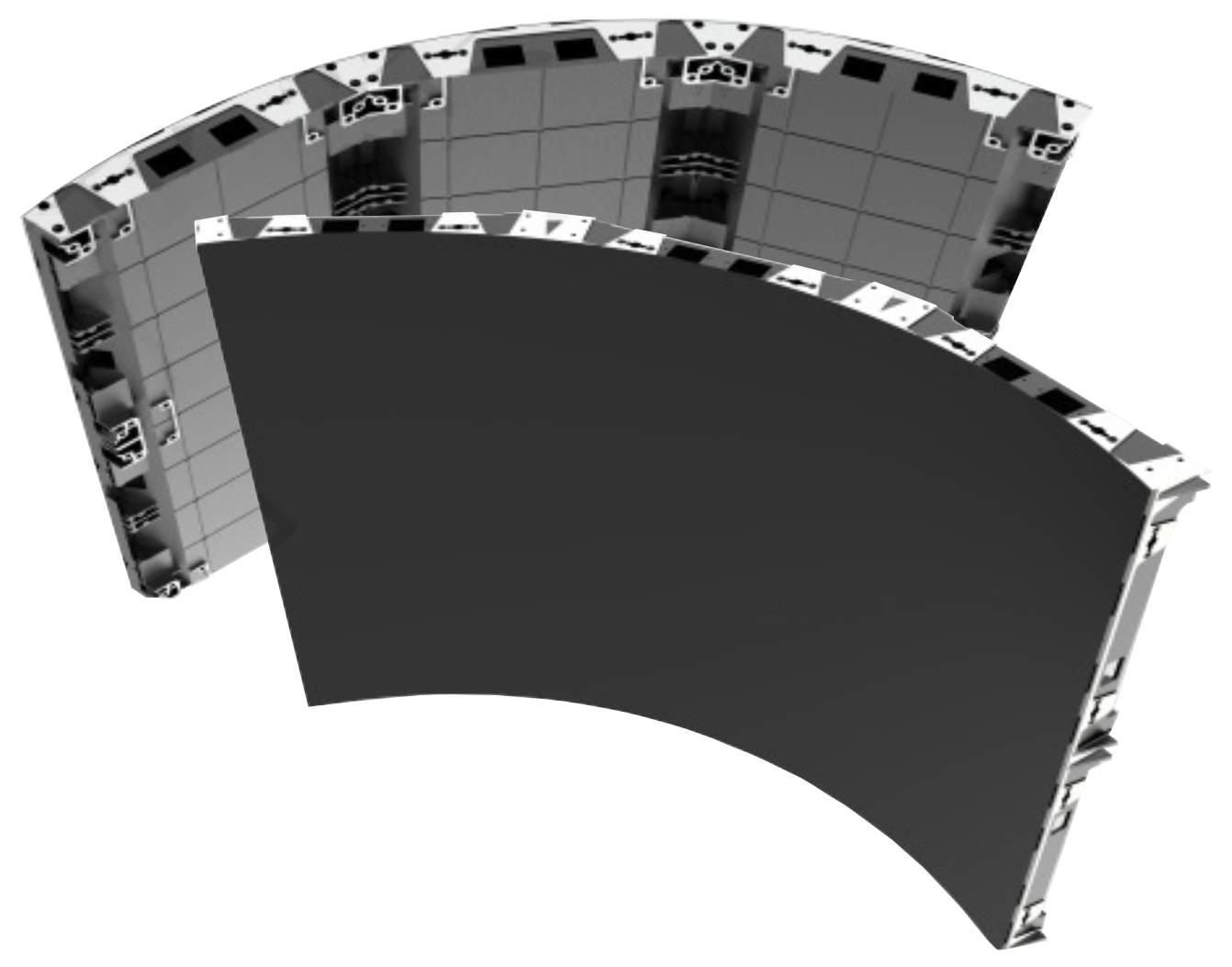
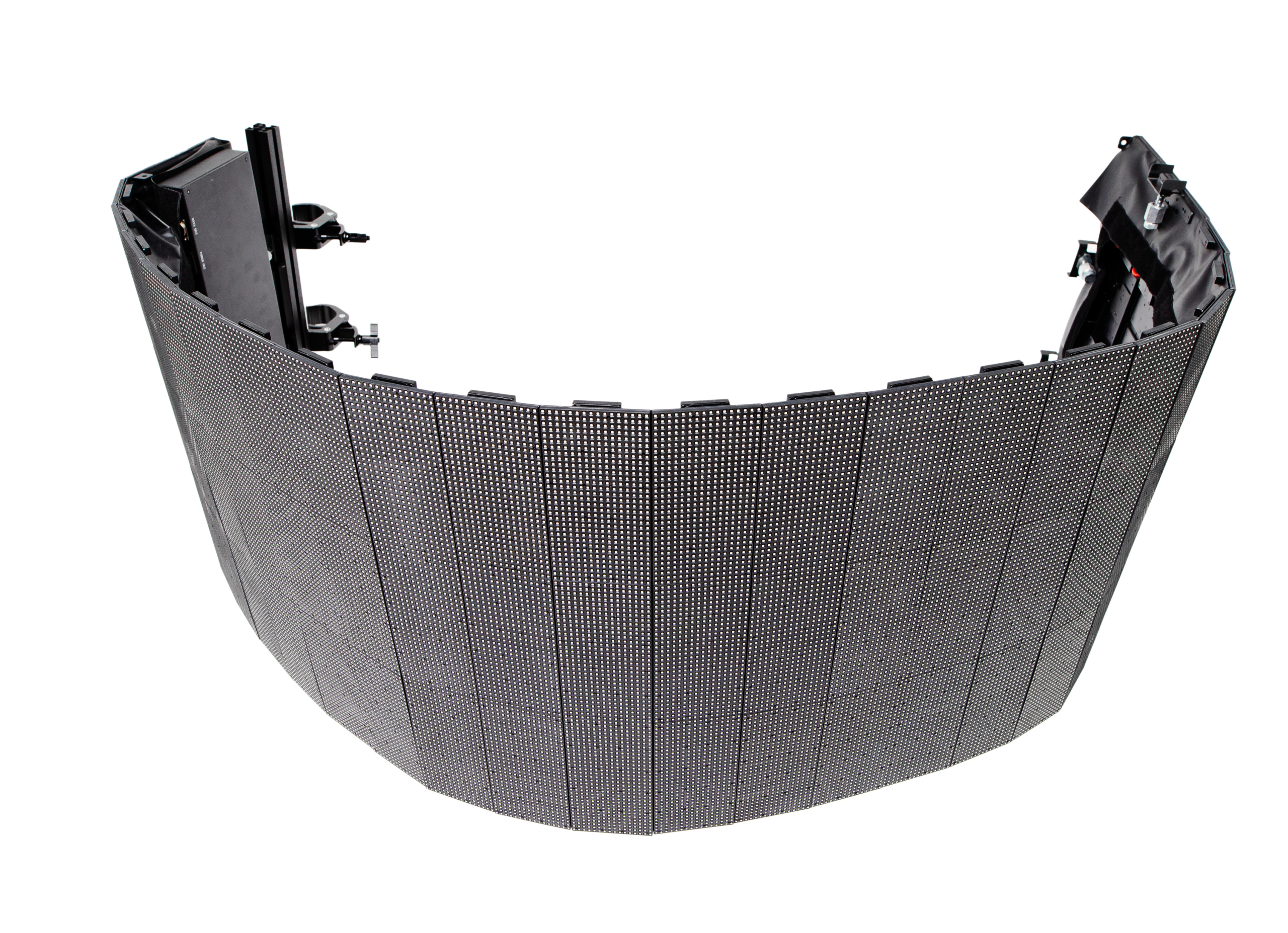
Design affects shape and viewing experience. Flat panels suit meeting rooms, while flexible modules can wrap around a column or stage edge. Transparent screens keep storefronts visually open, but bright daylight can weaken image contrast. Floor displays need surfaces designed for foot traffic. Outdoor screens require suitable brightness and weather protection. Rental screens prioritize quick assembly and transport. Mobile screens bring content to changing locations. The trade-off is real. A specification sheet cannot predict every room’s lighting or viewing angle.
Tips: Measure viewing distance and available wall space before choosing. Check brightness at the actual installation site, not just in a showroom. Ask how modules are serviced. Small details matter. A screen that fits the plan may still feel wrong in the space.
Pixel pitch is the distance between neighboring LED pixels. These indicative ranges (in millimeters) reflect common configurations; actual specifications vary by product, viewing distance, and installation requirements.
LED display types suit different viewing distances, lighting conditions, and installation needs. Indoor fine-pitch screens show crisp text and close-up detail in control rooms or retail spaces. Outdoor LED screens use brighter output and weather-resistant cabinets for daylight viewing. Rental and stage screens use lightweight, modular panels that crews can assemble quickly. Transparent LED panels preserve some visibility through glass, though bright backgrounds can reduce image contrast.
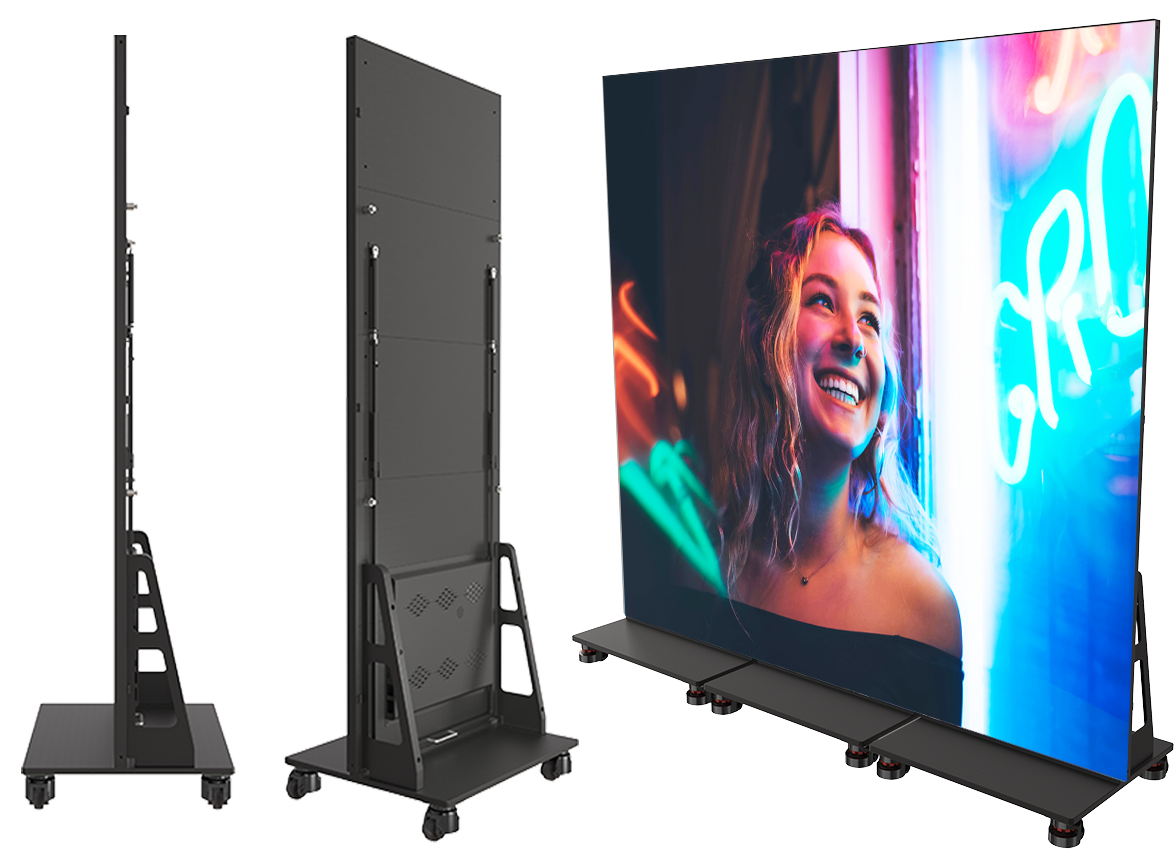
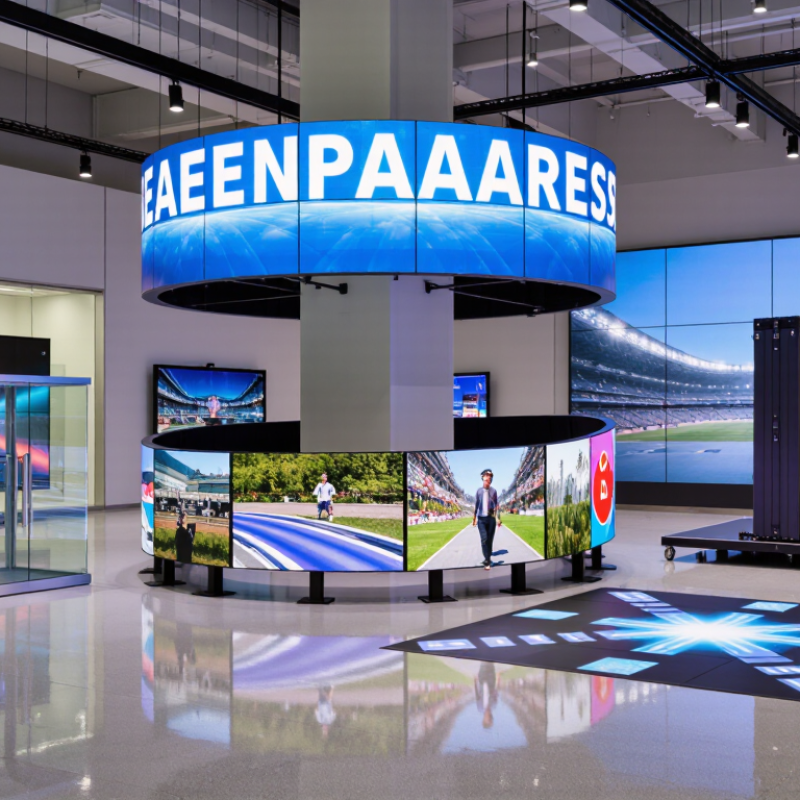
Grand View Research estimated the global LED display market at USD 7.5 billion in 2023. Its report projects an 8.4% compound annual growth rate through 2030 (LED Display Market Size, Share & Trends Analysis Report, 2024). Flexible LED screens curve around columns or scenic structures, but tight bends need careful planning. LED poster displays offer portable, upright signage for shops and events. Sports perimeter screens are built for stadium visibility and impact protection. Floor LED screens support interactive installations, but surfaces need suitable protection.
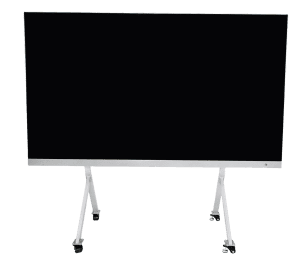
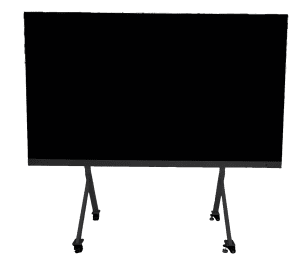
All-in-one LED displays combine a screen, control system, and cabinet for simpler meeting-room setups. Monochrome ticker displays show basic text, such as prices or queue information. Not always. Categories can overlap, so compare the actual pixel pitch, brightness, viewing distance, and service access. A screen that looks vivid in a showroom may feel harsh in a small room. Check the intended content and installation conditions before choosing.
Viewing distance should guide pixel pitch more than screen size alone. For a lobby viewed from two metres, fine-pitch indoor panels keep text and faces crisp. Across a plaza, viewers stand farther away, so a coarser pitch may look clear and cost less. Measure the nearest regular viewing point, not just the average. Small text reveals mistakes quickly.
There is no perfect cutoff. A common rule of thumb links viewing distance in metres to pixel pitch in millimetres, but content and eyesight matter too. Test sample footage from the actual audience position. Check thin lines, captions, and skin tones. A specification sheet cannot show every visual flaw.
Installation conditions change the choice. Bright windows may wash out an indoor display, while outdoor panels need suitable brightness, weather protection, and service access. Wind load, mounting strength, cable routes, and ventilation need checking before ordering. Tight spaces can make maintenance awkward. That detail is easy to miss. Curved, transparent, or rental screens may suit special layouts, but each adds trade-offs in alignment, weight, or setup time. Record the site measurements and ambient light at different times of day; one midday reading may not tell the whole story.
LED display buyers should compare pixel pitch, brightness, contrast, and service access—not resolution alone. Fine-pitch indoor screens keep text and faces crisp at close range, while larger-pitch options can suit distant viewers at lower upfront cost. Outdoor screens need enough brightness for direct sun, but that can increase energy use and heat. Ask for measured brightness, viewing-distance guidance, and color-uniformity results under realistic conditions.
Tips: Request a live demo with small text and moving footage. Check whether technicians can replace a module from the front; that detail matters when the screen sits against a wall.
Maintenance estimates need careful reading. The U.S. Department of Energy’s 2011 report, LED Luminaire Lifetime: Recommendations for Testing and Reporting, explains how lifetime ratings depend on lumen maintenance and test conditions. It does not certify an entire display’s service life. Power supplies, receiving cards, fans, and installation conditions can create separate failure points. Compare warranty terms, spare-module availability, cleaning needs, and expected energy use alongside purchase price. A cheap screen may cost more to keep uniform. Conversely, buyers can overpay for specifications their audience will never notice. That part is easy to miss.
| LED Display Type | Typical Pixel Pitch | Typical Brightness | Image Quality and Best Viewing Conditions | Relative Cost | Maintenance Considerations | Common Applications |
|---|---|---|---|---|---|---|
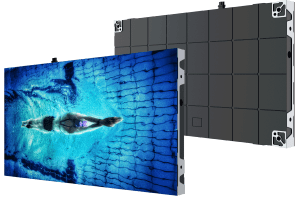
| Fine-Pitch Indoor SMD | About 0.9–1.8 mm | About 600–1,200 nits | High detail at close viewing distances; suitable for text, graphics, and video in controlled indoor lighting. | High to very high | Fine-pitch modules and receiving cards require careful handling. Front-service designs can simplify access where rear access is limited. | Control rooms, meeting spaces, broadcast studios, and premium indoor signage. |
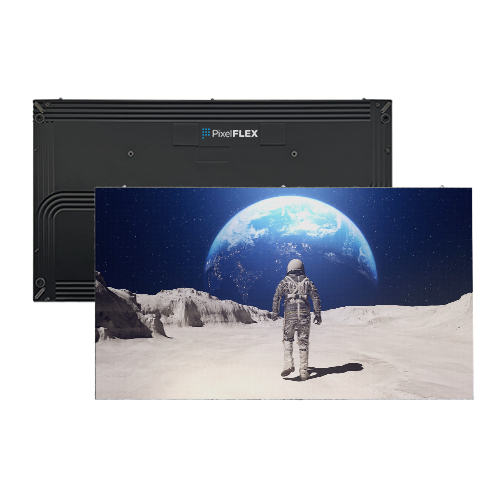
| Standard Indoor SMD | About 1.5–4 mm | About 600–1,500 nits | Good general-purpose image quality when viewers are not extremely close; performance depends on pitch, calibration, and content resolution. | Medium; used as the comparison baseline | Routine inspection should include modules, power supplies, fans where fitted, connections, and color uniformity. | Retail displays, lobbies, auditoriums, and indoor advertising. |
| Fixed Outdoor SMD | About 3–10 mm | About 4,000–8,000 nits | Designed for visibility in daylight. A larger pitch is generally suited to longer viewing distances; weather exposure affects long-term performance. | High | Weatherproofing, seals, drainage, ventilation, and corrosion checks are important. Safe access equipment can add to service costs. | Building facades, roadside signs, and outdoor venues. |
| Rental / Touring LED | About 2.6–4.8 mm | About 1,000–5,000 nits, depending on indoor or outdoor configuration | Designed for temporary, modular setups. Image quality is influenced by panel alignment, calibration, and the viewing distance at each event. | Medium to high | Frequent transport and assembly make cabinet locks, connectors, spare panels, and post-event inspections especially important. | Concerts, exhibitions, conferences, and temporary stages. |
| Transparent LED | About 3.9–10 mm or larger, depending on design | Often about 3,000–6,000 nits | Allows light and some visibility through the display. The image may appear less solid than on an opaque screen, and ambient light affects perceived contrast. | High | Check mounting, wiring, module connections, and the building surface behind the screen. Access can be constrained by the installation location. | Storefronts, glass facades, and display windows. |
| LED Mesh / Media Facade | Often about 10–20 mm or larger | Often about 4,000–8,000 nits | Open construction reduces wind loading and preserves some transparency, but coarse pitch is best viewed from farther away. | Medium to high | Inspect structural fixings, cables, weather protection, and accumulated dust or debris; building access may be a major maintenance factor. | Large building facades, architectural features, and outdoor media installations. |
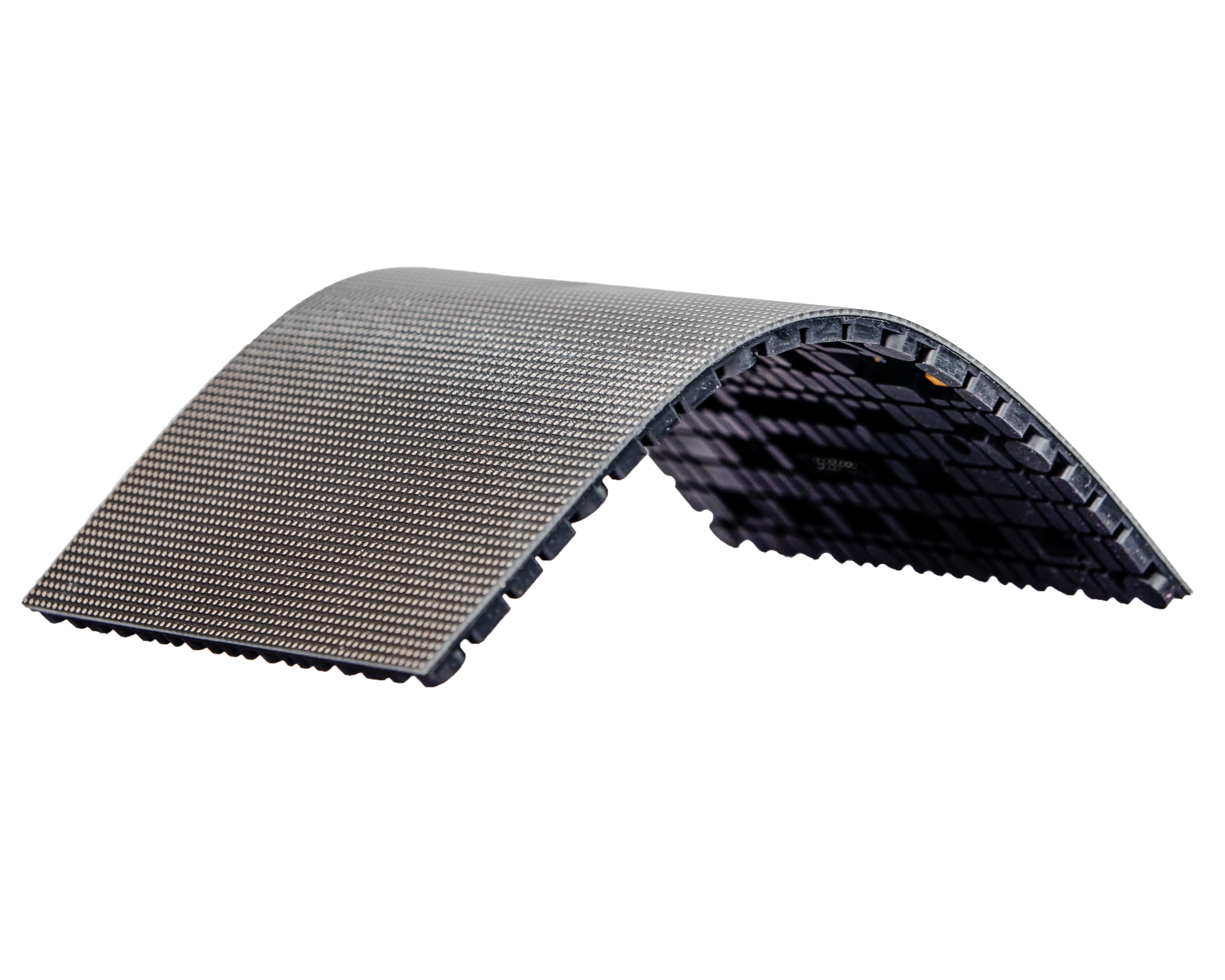
| Flexible LED | Commonly about 1.5–4 mm, depending on product | Often about 600–1,500 nits for indoor models | Flexible modules can follow curved or irregular shapes. Image detail depends on pixel pitch, and the product must be installed within its specified bend limits. | High | Handle modules carefully and avoid bending beyond the specified radius. Custom shapes can make replacement parts and access more specialized. | Curved features, columns, stages, and creative interior displays. |
| All-in-One LED Poster | Commonly about 1.2–3.9 mm | Often about 600–1,500 nits | Self-contained units are convenient for close-range indoor signage; resolution and viewing distance vary by model. | Medium to high | Check the integrated power, control, and connectivity components as well as the display modules. Confirm that replacement parts are available. | Retail promotions, hotel lobbies, showrooms, and events. |
| Sports Perimeter LED | Commonly about 6–10 mm | Often about 5,000–7,000 nits | Built for visibility across a venue. Protective surfaces and suitable refresh performance help meet the needs of sporting events and camera capture. | High | Protective masks, cabinet integrity, connections, and impact damage need regular checks; servicing may require access around the venue perimeter. | Stadium advertising and indoor or outdoor sports venues. |
| Fine-Pitch COB LED | Often about 0.7–1.5 mm | Commonly about 600–1,200 nits for indoor use | Chip-on-board packaging can provide a smooth, close-viewing surface. The final image still depends on pixel pitch, calibration, and source content. | Very high | The surface can be less exposed to individual LED damage than some conventional packages, but repairs may require specialized tools and trained technicians. | Premium control rooms, collaboration spaces, and close-viewing indoor installations. |
Buyer note: Specifications are typical market ranges, not guarantees. Brightness, pixel pitch, image quality, maintenance access, and total cost vary by product and installation. Relative cost is a general comparison of display-system projects, not a quoted price; structure, installation, control equipment, power, and service access can substantially change the final budget.