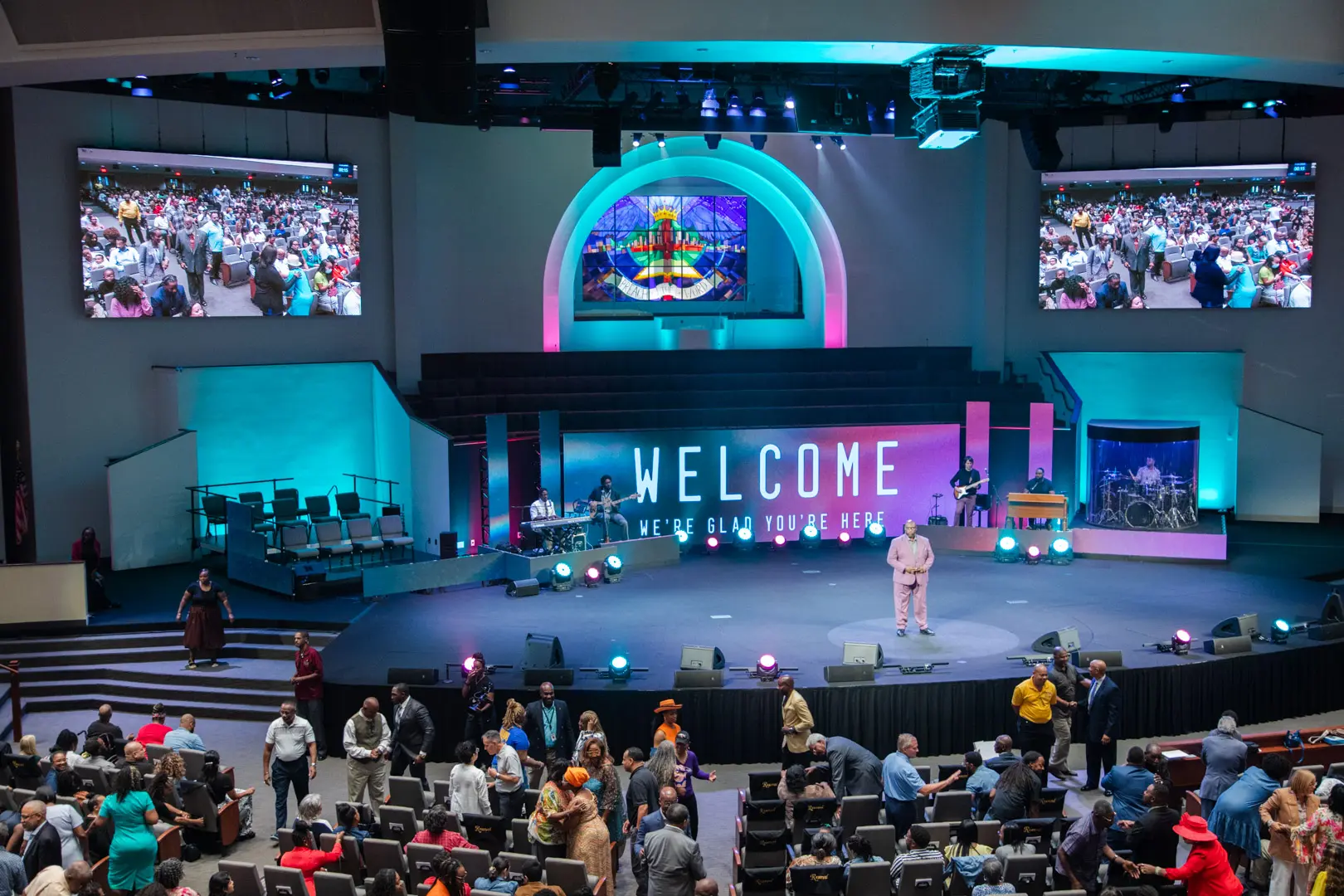
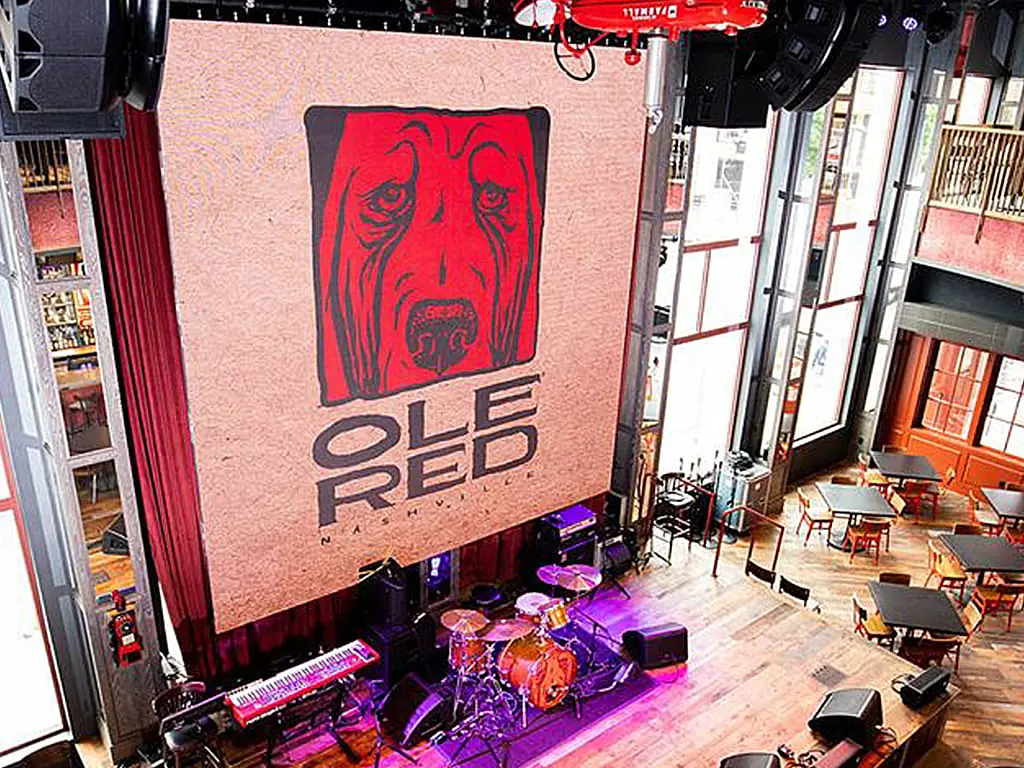
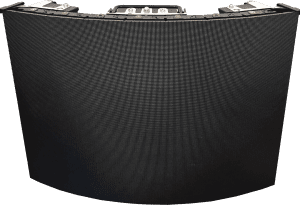
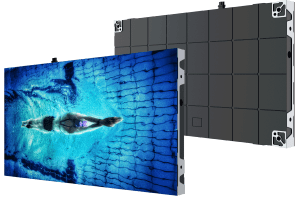
Communicate worship schedules and sermon messages while engaging your congregation with visual technology.
View More
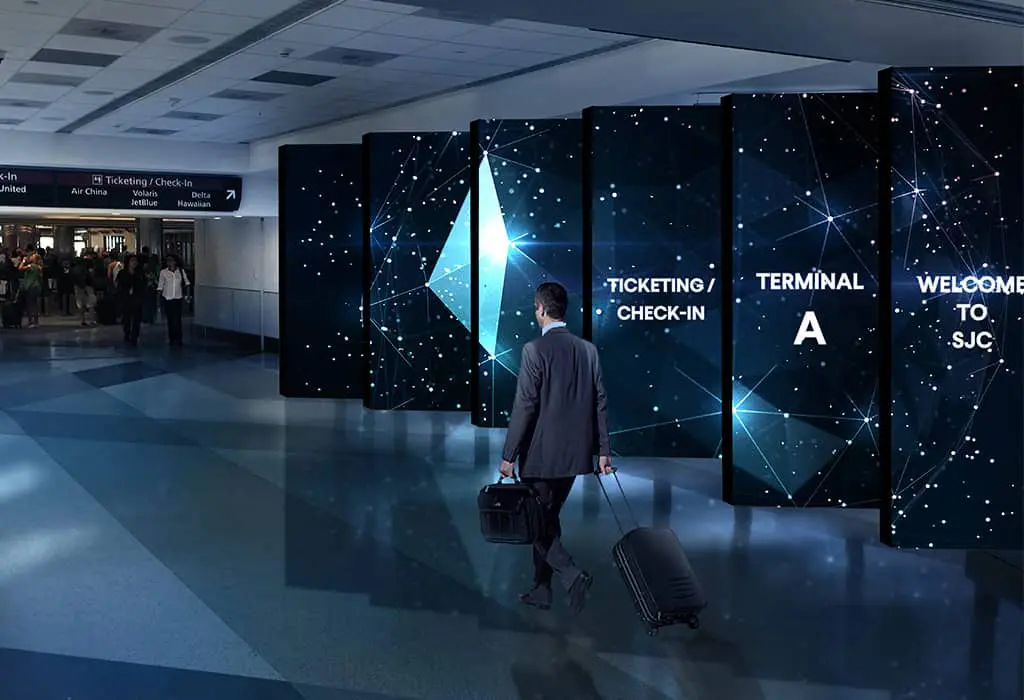
LED displays in transportation settings, such as airports, train stations, and bus terminals, serve as dynamic platforms for real-time information, advertising, and wayfinding, enhancing passenger experience with clear, up-to-date travel details and announcements.
View More
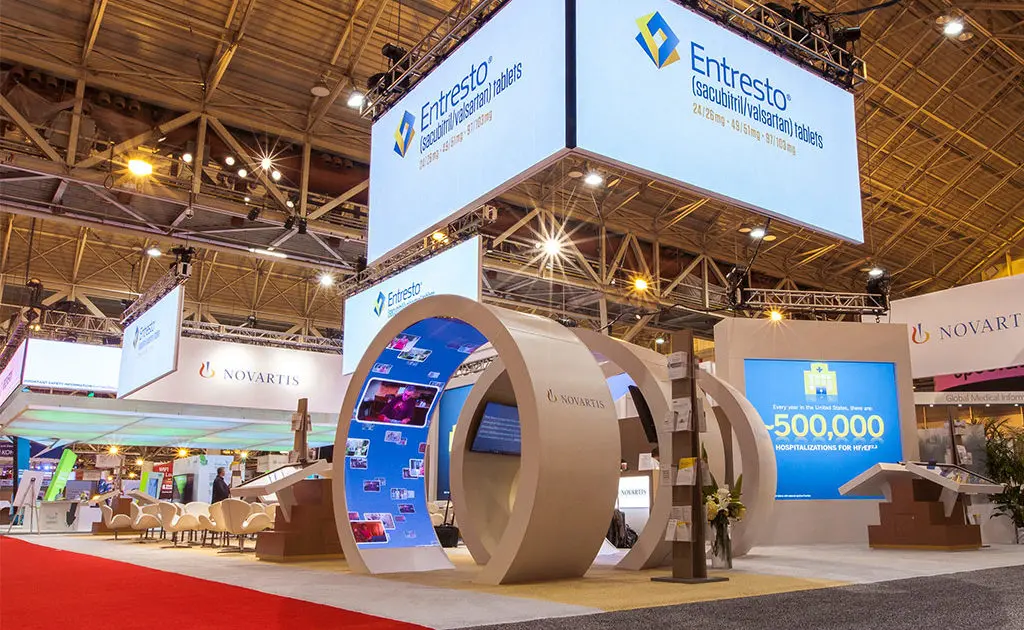
Differentiate yourself from the competition by incorporating a digital experience in your booth with our trade show LED displays.
View More
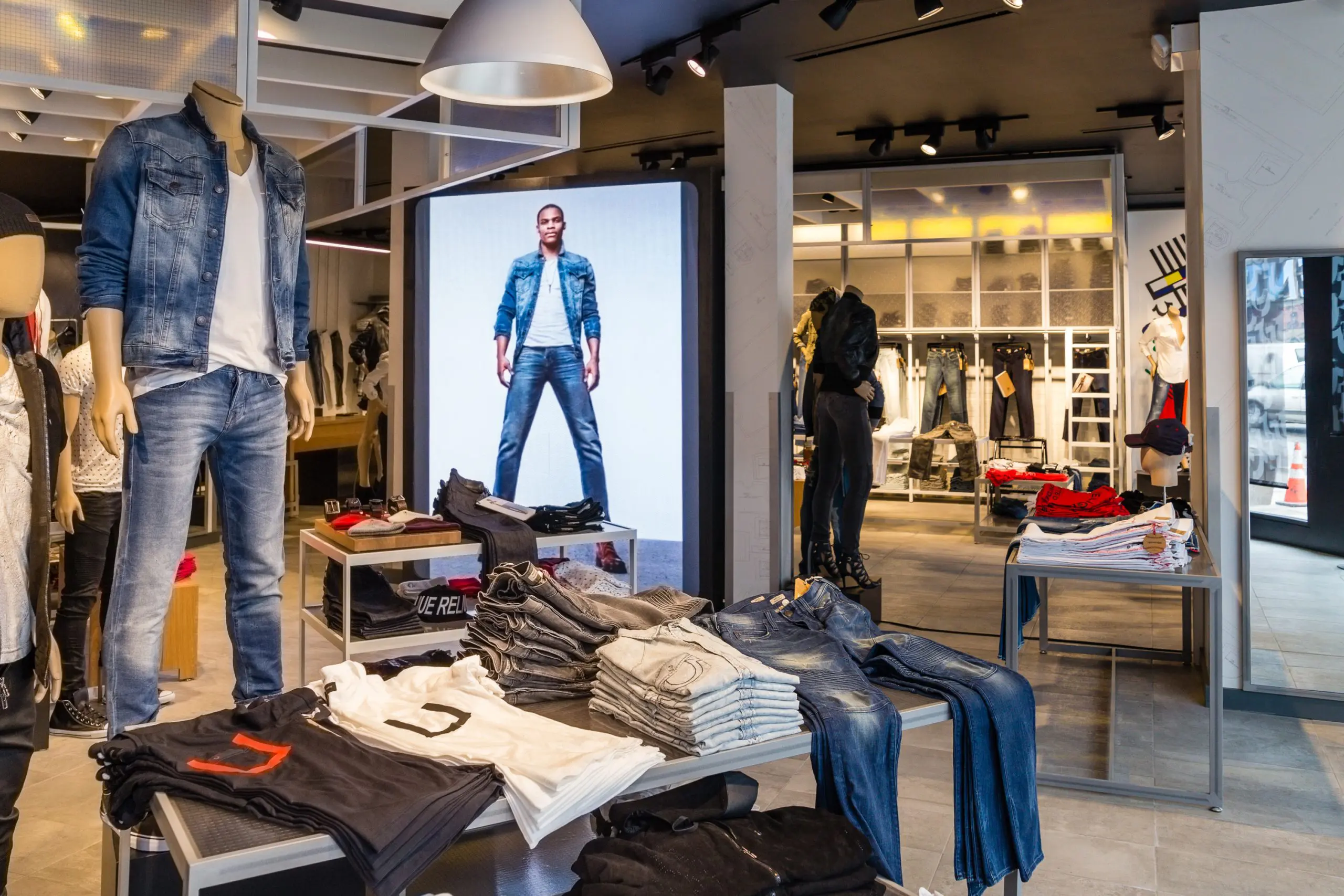
Communicate your brand’s message, stand out from the competition and engage your target market with LED digital signage.
View More
We offer creative solutions at cost-effective rates. You will be able to deliver your sermons more effectively and engage your congregation through one-of-a-kind lyric video walls and house of worship LED displays.
View More
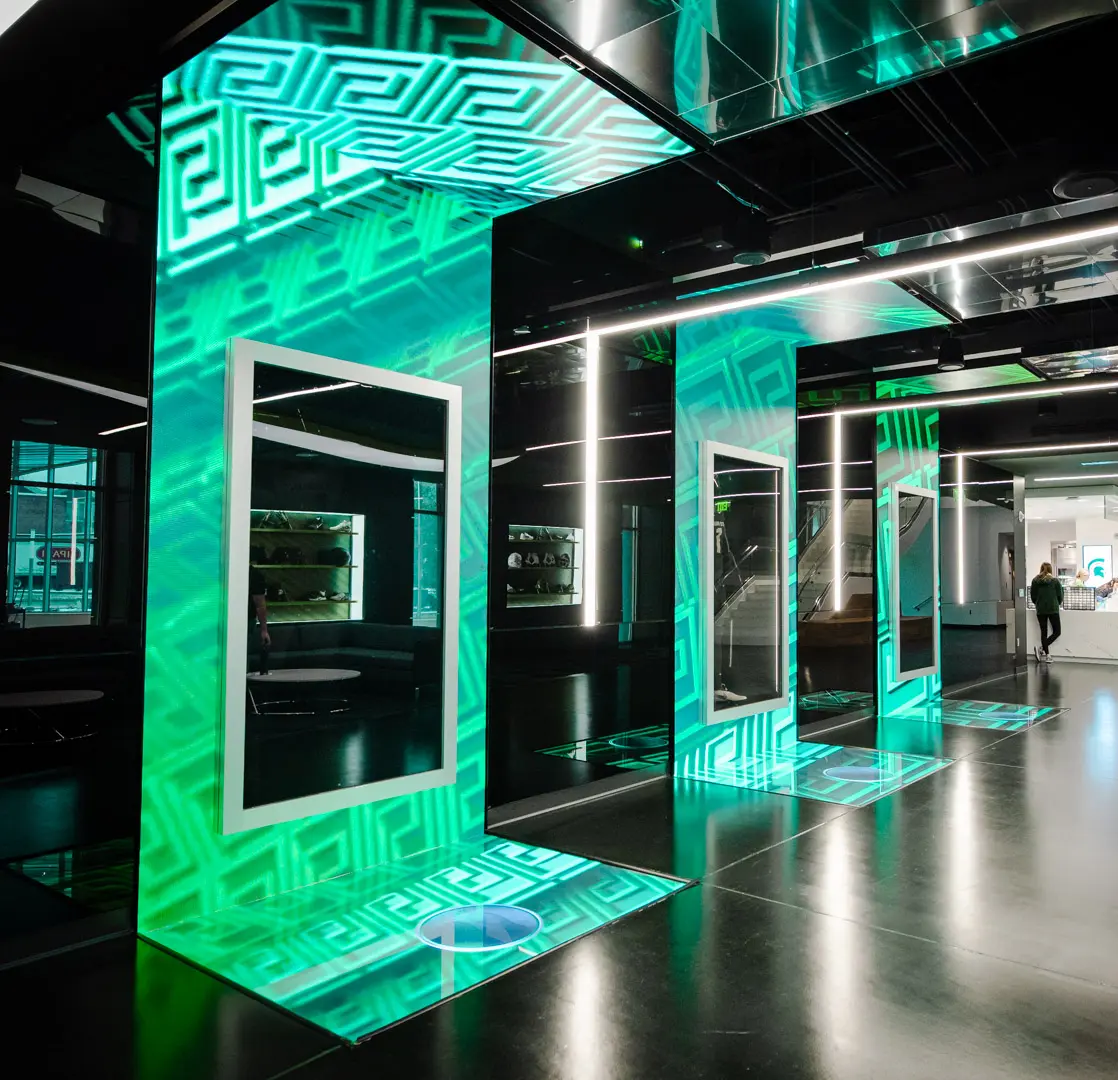
Enhance ambiance, display interactive directories and wayfinding displays, and promote amenities and events to elevate the guest experience.
View More
Incorporate digital displays to enhance your students’ learning experience and market to prospective students and donors.
View More
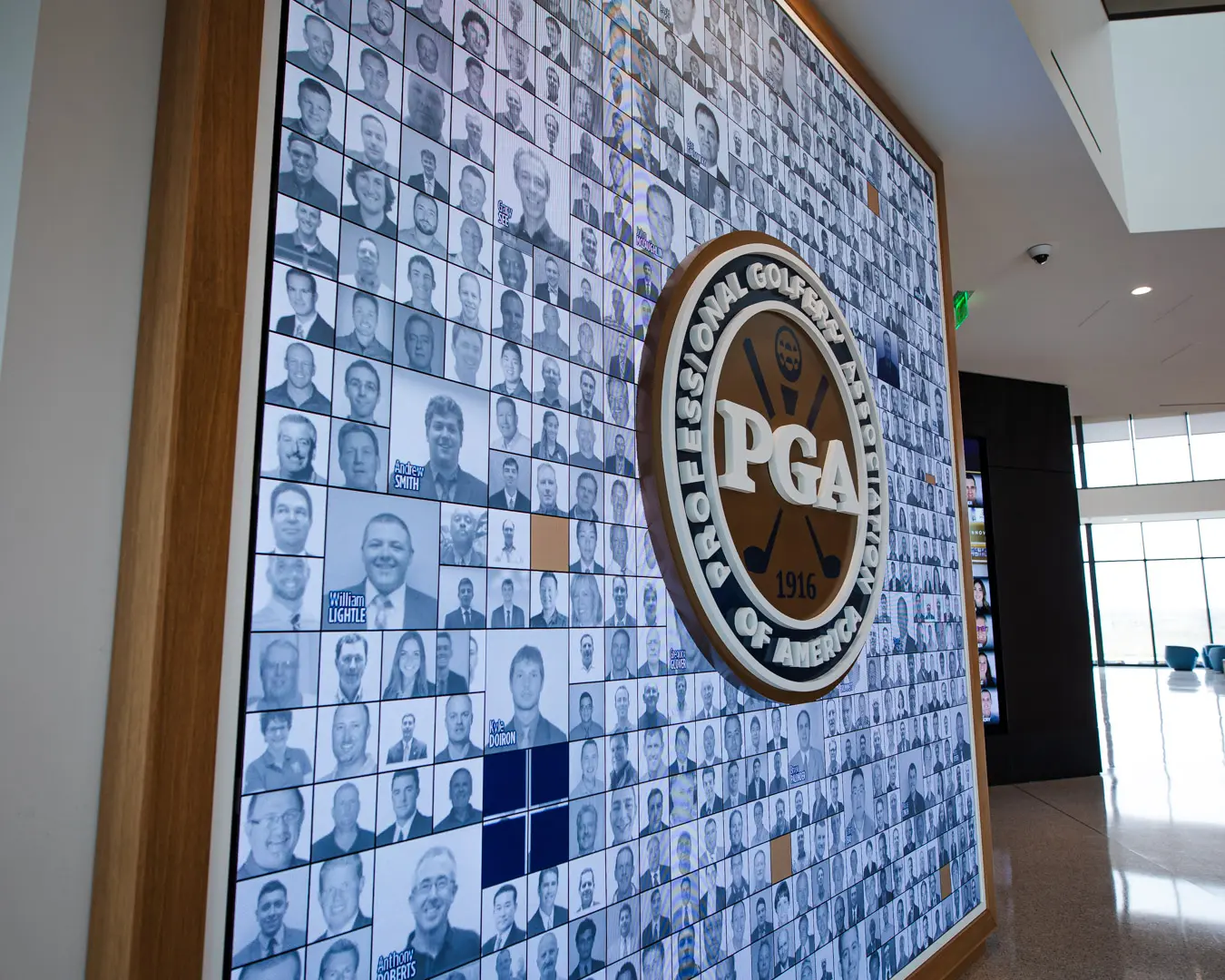
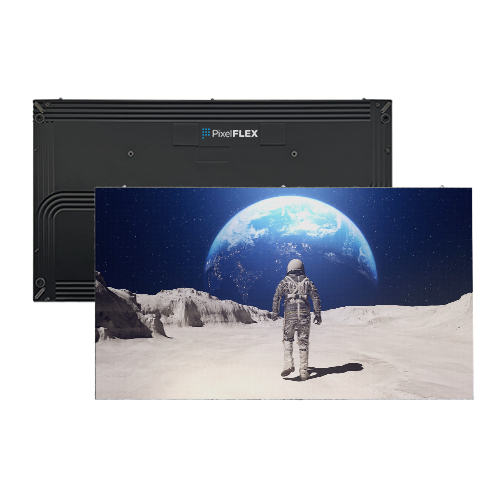
Transform your corporate spaces with PixelFLEX LED video displays. Enhance communication, elevate branding, and create dynamic environments.
View MoreChoosing the right led display screen in 2026 requires more than comparing prices or counting pixels. It demands practical judgment, verified specifications, and a clear understanding of where the screen will operate. An indoor conference display faces different challenges from a roadside advertising screen exposed to rain, dust, and direct sunlight.
Dr. Shuji Nakamura, a Nobel Prize-winning LED pioneer, has often stressed that “making LEDs efficient is not simple.” That idea remains important when evaluating modern displays. A high-quality screen should match its pixel pitch to the viewing distance, not simply offer the smallest number. A fine-pitch display may look impressive at two meters, yet waste money in a large stadium. Brightness also needs balance. A brighter screen is not always a better screen. Excessive brightness can cause glare, color loss, and unnecessary energy use.
This guide examines the details that buyers often overlook. These include refresh rate, grayscale performance, color consistency, cabinet weight, heat management, ingress protection, and front-service access. Ask for measured data, not only marketing claims. Request demonstration footage, maintenance records, and a written warranty. Check whether spare modules and control cards remain available after installation. Small details matter.
Real experience can still mislead us. A trusted brand may offer the wrong configuration for your venue. Installation conditions, local climate, content type, and viewing habits can change the final result. The best led display screen is therefore not the most expensive model. It is the one that performs reliably, remains serviceable, and fits the audience, environment, and long-term operating budget.
How to Choose the Best LED Display Screen in 2026?
Understanding LED display types starts with pixel pitch. A 1.5 mm pitch can show sharp text from close viewing distances. A 4 mm pitch may work better outdoors, where viewers stand farther away. SMD packages suit many rental and fixed installations because they offer mature manufacturing and easy module replacement. COB technology places LED chips directly on the board, improving surface protection and reducing visible gaps. It can also cost more and require specialized repairs. The compromise remains real.
Mini LED and Micro LED use smaller light-emitting elements, but they are not identical. Mini LED usually improves backlighting and local dimming. Micro LED creates self-emissive pixels, delivering strong contrast without a traditional backlight. According to MarketsandMarkets’ LED Display Market forecast, the sector may grow from about 7.5 billion dollars in 2024 to 10.2 billion dollars by 2029. Forecasts differ, so buyers should not treat growth figures as purchase guarantees.
Technical data needs practical testing. The U.S. Department of Energy’s 2023 solid-state lighting report cites laboratory LED packages exceeding 200 lumens per watt, yet display products balance efficiency, color accuracy, heat, and lifetime. Ask for measured brightness, refresh rate, grayscale performance, and power consumption. Check a white screen closely. Uneven modules become obvious. I have found that a lower refresh rate can produce camera banding, even when the image looks smooth in person. Viewing distance, ambient light, maintenance access, and content type should guide the final choice.
A practical comparison of common LED display categories, specifications, and core technologies.
| LED Display Type | Typical Pixel Pitch | Typical Brightness | Recommended Environment | Recommended Viewing Distance | Common Refresh Rate | Typical Protection Rating | Core Technology | Best-Fit Applications |
|---|---|---|---|---|---|---|---|---|
| Fine-Pitch Indoor LED | 0.9–2.5 mm | 600–1,200 nits | Controlled indoor lighting; no direct rain or sunlight | Approximately 1–8 m, depending on pitch | 1,920–3,840 Hz | Usually IP20 or similar indoor protection | SMD or COB LED packaging, fine pixel density, front-service modules | Control rooms, meeting rooms, broadcast studios, premium retail, museums |
| Standard Indoor LED | 2.6–4.8 mm | 800–1,500 nits | Indoor venues with moderate ambient light | Approximately 3–15 m | 1,920–3,840 Hz | Usually IP20 or similar indoor protection | SMD RGB packages, constant-current driver ICs, modular cabinets | Shopping centers, schools, houses of worship, conference halls, event stages |
| Outdoor Fixed LED | 4–10 mm | 4,500–8,000 nits | Direct sunlight and changing weather conditions | Approximately 8–40 m | 1,920–3,840 Hz | Commonly IP65 front and IP54/IP65 rear | Weather-sealed modules, high-efficiency LEDs, automatic brightness control | Building façades, roadside advertising, outdoor plazas, transport facilities |
| Outdoor Rental LED | 2.6–4.8 mm | 3,500–5,500 nits | Temporary indoor or outdoor installations | Approximately 5–25 m | 1,920–3,840 Hz | Often IP65 front and IP54 rear | Lightweight die-cast cabinets, quick locks, modular power and data connections | Concerts, festivals, exhibitions, sports events, touring productions |
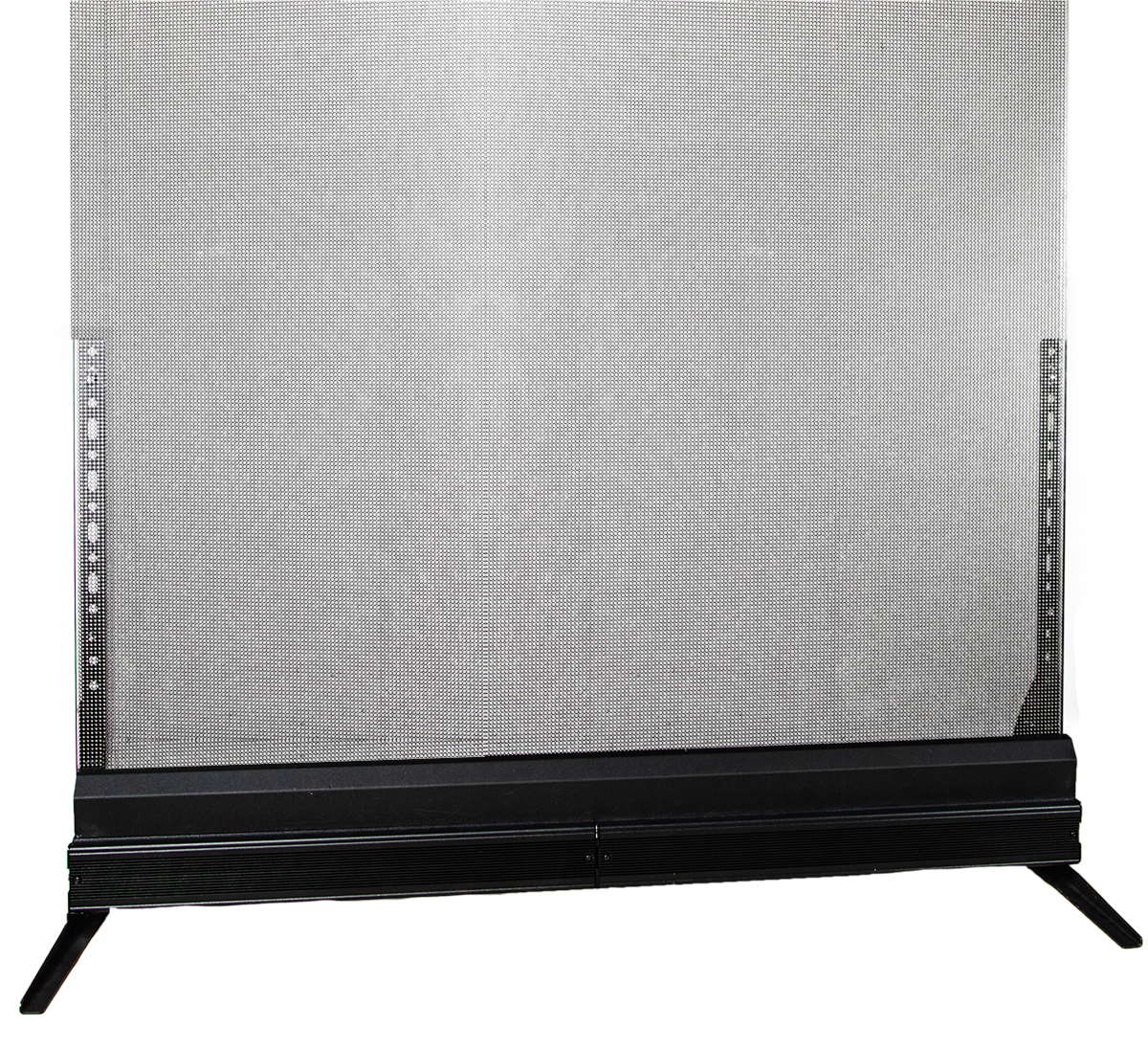
| Transparent LED | 3.9–15.6 mm | 3,000–6,000 nits | Glass façades, windows, and structures requiring light transmission | Approximately 5–30 m | 1,920–3,840 Hz | Varies by enclosure; outdoor versions may reach IP65 front | Open-grid or louvered structure with high light transmittance | Commercial windows, architectural façades, airports, landmark installations |
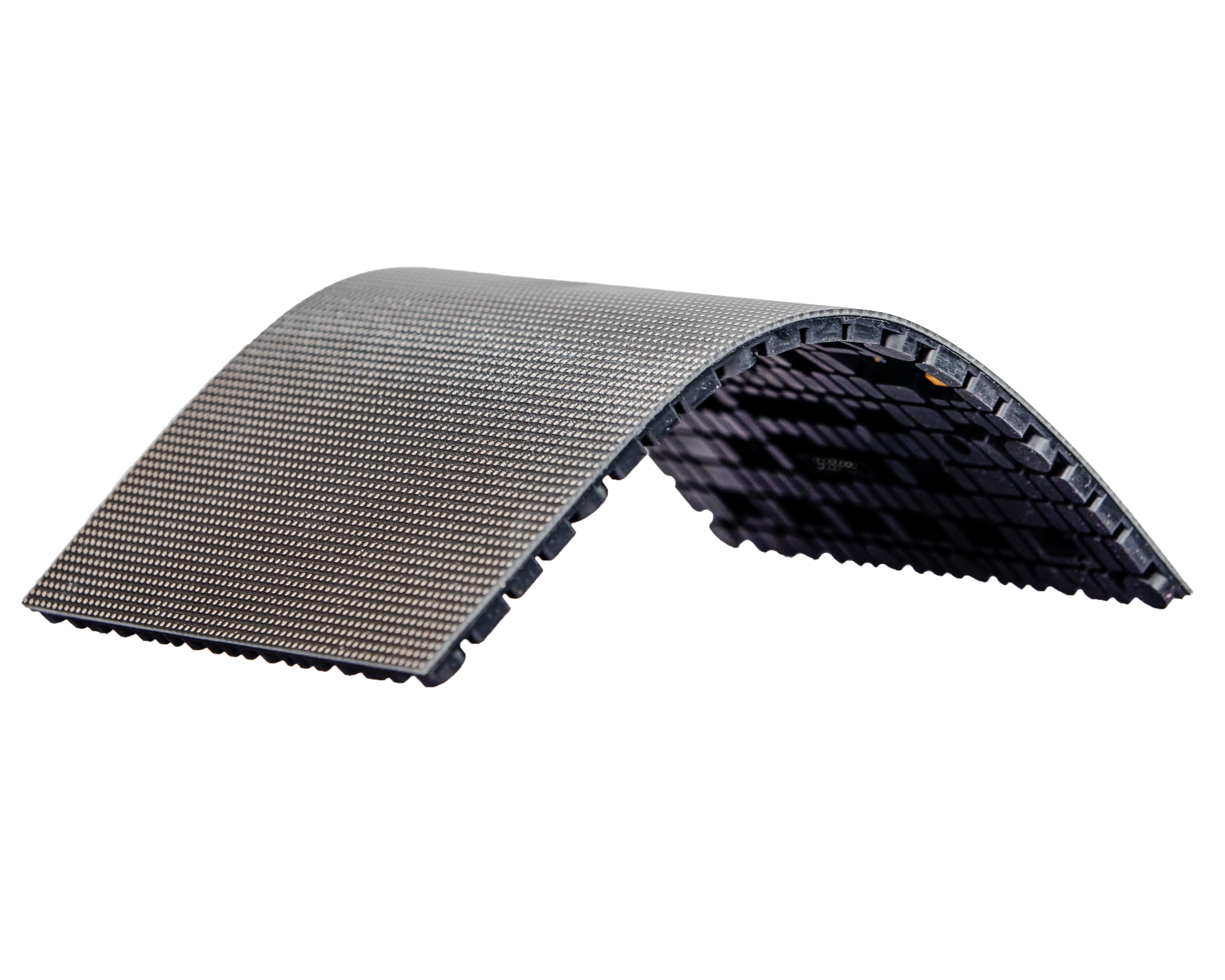
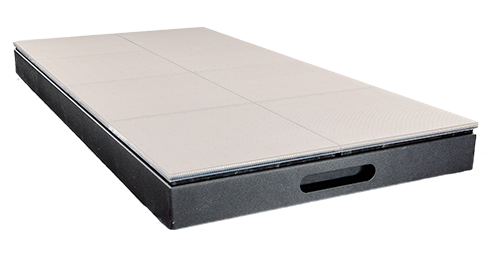
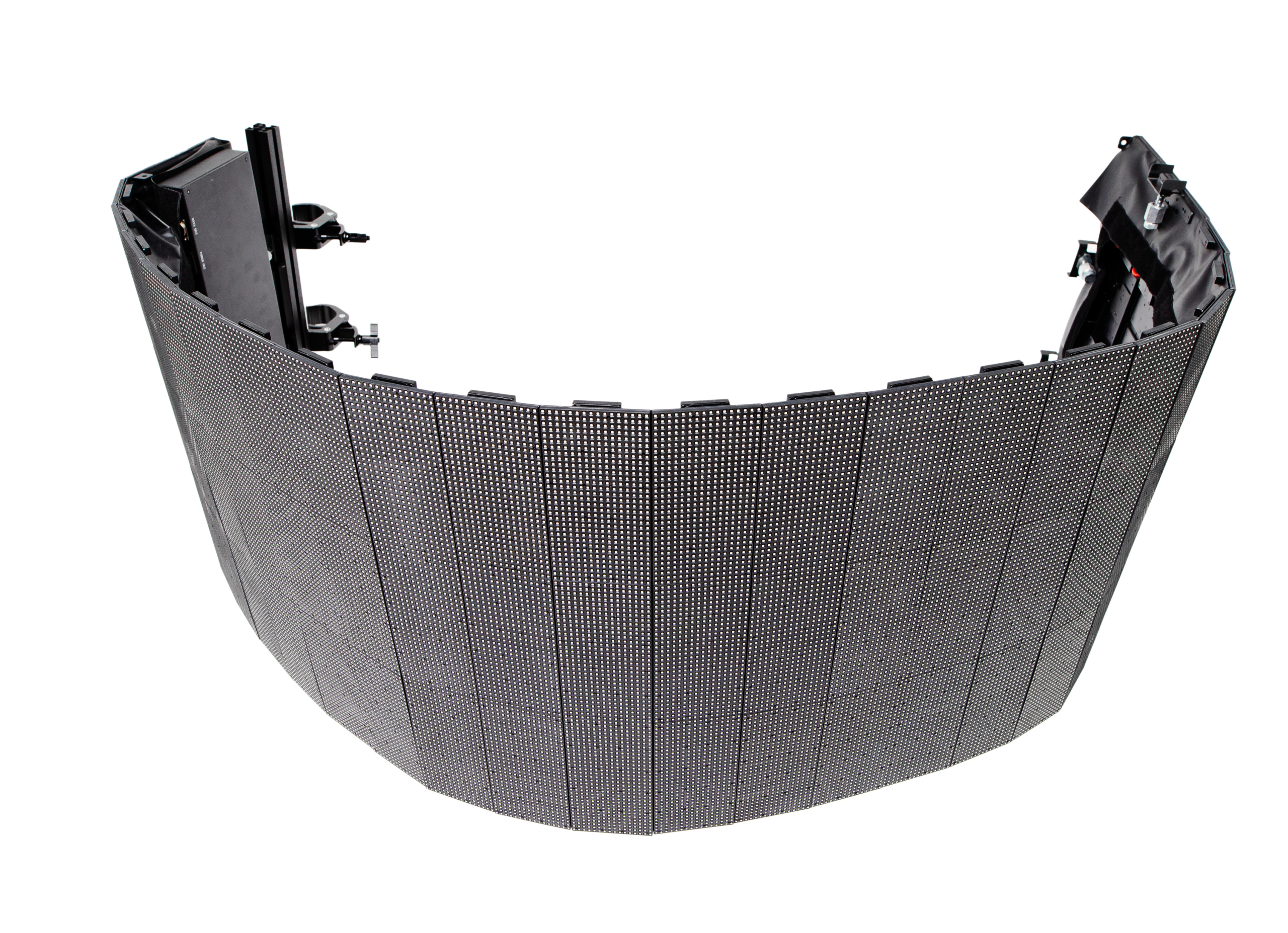
| Flexible or Curved LED | 1.5–4.8 mm | 800–4,500 nits | Primarily indoor; specially enclosed versions can be used outdoors | Approximately 2–15 m | 1,920–3,840 Hz | Usually IP20 indoors; enclosure-dependent outdoors | Flexible PCB, magnetically mounted modules, curved or cylindrical installation capability | Creative interiors, columns, curved stages, retail displays, themed environments |
| COB Fine-Pitch LED | 0.7–1.5 mm | 600–1,200 nits | Premium indoor environments with close viewing distances | Approximately 1–6 m | 1,920–3,840 Hz | Usually IP20 or similar indoor protection | Chip-on-board encapsulation, enhanced surface protection, high pixel density | Command centers, premium boardrooms, virtual production, high-end visualization |
Selection Notes
Specifications are representative industry ranges for 2026 planning and may vary according to screen design, installation conditions, and configuration.
How to Choose the Best LED Display Screen in 2026?
Defining Your Viewing Needs, Space, and Display Purpose
Choosing an LED display begins with the viewer, not the screen. Measure the usual viewing distance and identify the closest seat. A fine pixel pitch suits close indoor viewing, while larger pixels may work for distant outdoor audiences. Visit a working display before ordering. Photos rarely reveal brightness, color uniformity, or motion performance accurately.
Study the space throughout the day. A shop window facing direct sunlight needs higher brightness than a dim conference room. Outdoor installations also require weather protection, stable mounting, and easy access for maintenance. For fast video, check refresh rate and processing quality. A technically impressive panel can still disappoint if text appears soft or movement looks uneven.
Define the display’s real purpose. Menus, live events, advertising, and detailed design work need different performance priorities. Confirm the required aspect ratio, input sources, control system, and content resolution. Leave room for ventilation and future servicing. I once focused too heavily on brightness and overlooked viewing comfort; the screen looked powerful but felt harsh indoors. That mistake is worth remembering. Request measured specifications, not vague claims, and compare them under similar conditions. Also question the cheapest quotation. Lower cost may hide weaker components, limited support, or difficult repairs. A short on-site test can expose problems that a polished specification sheet cannot.
Screen size should match the audience’s viewing distance and the display purpose. The chart uses a 30° vertical viewing-angle baseline and a 16:9 aspect ratio to calculate practical screen dimensions. Pixel pitch, brightness, and refresh rate should then be selected according to viewing distance, ambient light, and content type.
Choosing the best LED display screen in 2026 starts with the viewing environment, not the specification sheet. A fine pixel pitch creates sharper text and smoother images at close range. For a large outdoor screen, excessive resolution may increase cost without visible benefit. Measure the typical viewing distance before selecting a pixel pitch.
Brightness should match the lighting conditions. Indoor displays often need controlled luminance, while outdoor screens may require several thousand nits under direct sunlight. Too much brightness can cause eye strain and wash out skin tones. I recommend checking brightness at different times of day, because a screen that looks excellent indoors may appear weak beside a bright window.
Refresh rate matters for sports, live events, and camera recording. Higher refresh rates usually produce cleaner motion and reduce visible scan lines. However, refresh rate alone cannot fix poor processing or uneven modules. Color quality depends on accurate grayscale, stable white balance, wide color coverage, and proper calibration. Ask for real test footage, not only showroom images. I once trusted a vivid display that looked impressive at first, but its reds became harsh after prolonged viewing. That experience changed my evaluation method. Test natural faces, dark scenes, and fast movement before purchasing. No screen is perfect.
How to Choose the Best LED Display Screen in 2026?
Evaluating Installation, Maintenance, Energy Use, and Durability
A practical evaluation starts with installation conditions, not screen size. Measure wall strength, viewing distance, ventilation, cable routes, and service access. A lighter cabinet may reduce structural work, but it can compromise weather protection. Check the screen’s brightness range for both daytime glare and nighttime comfort. Brightest is not always best.
Maintenance planning often separates reliable displays from expensive problems. Choose front or rear service access based on the installation space. Confirm spare module availability, control-system compatibility, and diagnostic functions. Ask for documented testing standards, warranty terms, and expected operating hours. Energy use deserves equal attention. Compare power consumption at typical brightness, not only maximum output. A screen running twelve hours daily can make small efficiency differences significant. I once underestimated ventilation needs, and heat became a recurring maintenance issue. That mistake changed my evaluation process.
Tips: Request a sample power report before purchasing. Inspect cabinet seals and connectors physically. Leave working space behind the display. Schedule cleaning and brightness checks. Do not trust impressive specifications without test conditions. Durability depends on moisture resistance, thermal control, impact protection, and stable installation. Review performance records from similar climates when possible. Some decisions remain uncertain, especially when local dust, heat, or coastal air exceeds laboratory conditions.
Choosing the best LED display screen in 2026 requires more than comparing pixel pitch and price. Start with viewing distance, screen size, brightness, refresh rate, and installation conditions. A fine pixel pitch can sharpen close-up images, but it may waste budget on a distant roadside display. For outdoor use, check weather protection, heat control, and cabinet maintenance access. In real projects, service access often matters more than a slightly better specification.
Budget for the complete system, not only the panels. Include processors, mounting structures, power supplies, installation, transport, calibration, and replacement modules. Ask suppliers for written testing records, warranty terms, response times, and technician coverage. A reliable supplier should explain limitations clearly. Vague promises are warning signs. I have seen buyers choose cheaper screens, then spend more on difficult repairs. That mistake is easy to repeat.
Tips:
Request a sample panel and inspect it from several distances. Test content with skin tones, small text, and fast motion. Confirm spare-part availability for at least three years. Discuss future expansion before signing. The controller should support additional cabinets without forcing a full replacement. Also compare energy use at normal brightness, not only maximum brightness. Leave some budget for upgrades. Plans change. A perfect forecast is rarely realistic.