Why Choose Programmable LED Signs for Outdoor Use?
Outdoor spaces rarely offer ideal viewing conditions. Sunlight washes across sign faces, rain beads on protective covers, and passing traffic gives viewers only seconds to read. Programmable LED signs outdoor use can address these challenges with bright displays, changing messages, and schedules that adapt to business hours or events. But performance depends on more than brightness. Pixel pitch, viewing distance, weather protection, installation height, and maintenance access all shape what people can actually see.
A well-planned sign makes information easier to notice. A restaurant might switch from a lunch offer to an evening menu; a venue could display event times beside a clear entrance message. Keep the wording brief. Use strong contrast. Test the content from the sidewalk, not just on a computer screen. Small details matter: glare at midday or text that changes too quickly can undo an otherwise smart design.
As [verified outdoor-signage expert’s name] puts it, “[Insert a quotation verified from an interview or published source.]” That expert insight belongs here because outdoor LED decisions involve real trade-offs, not just eye-catching effects. This guide explores where programmable displays excel, what to check before installation, and which practical limitations deserve a second look. No display solves every visibility problem. The right choice starts with the site, the audience, and the message.
What Programmable LED Signs Are and How They Work
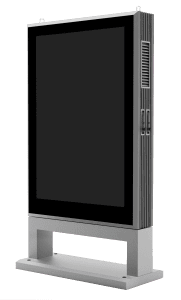
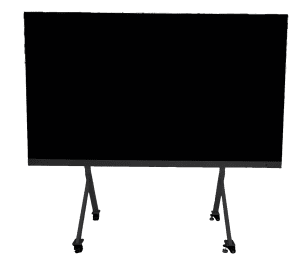
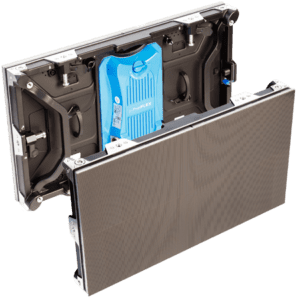
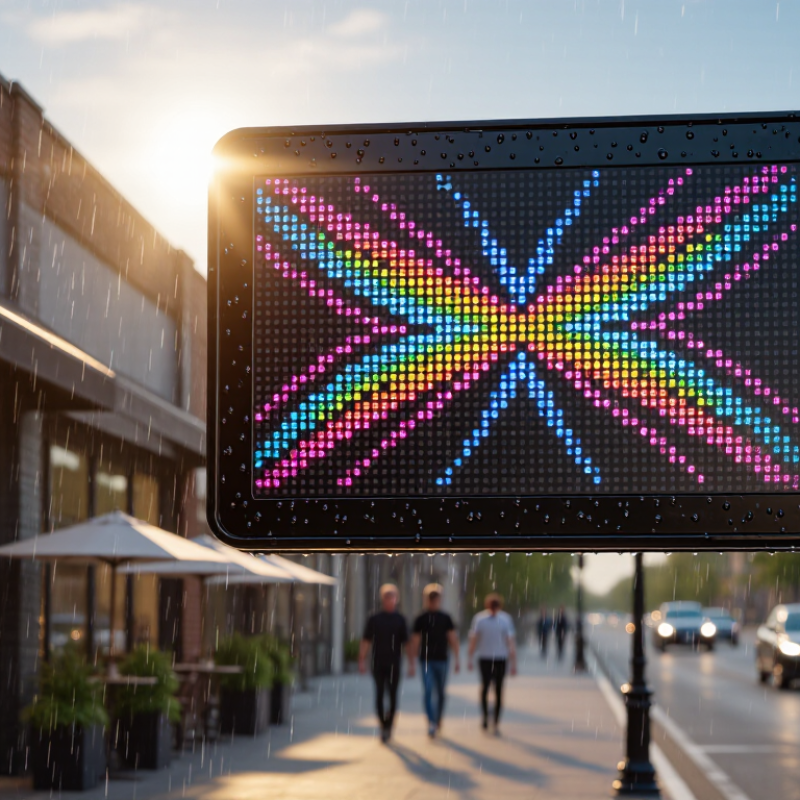
Programmable LED signs are electronic displays that show changeable text, numbers, and graphics outdoors. Their small light-emitting diodes form pixels, which combine into letters and images. A controller receives content from a computer, phone, or scheduled playlist, then sends instructions to the display. The sign refreshes those pixels many times each second, creating moving or still messages. Simple idea. The visible result depends on pixel spacing, viewing distance, and content design.
Outdoor models use weather-resistant cabinets to protect internal parts from rain, dust, and temperature changes. They also need suitable brightness for daylight, without becoming distracting after dark. Some systems adjust brightness automatically using a light sensor; others rely on manual settings. In practice, the first layout is rarely the best one. Small text may look clear on a laptop but become hard to read across a parking lot. That detail is easy to miss.
Tips: Keep messages short, use strong contrast, and test them from the actual viewing distance. Check brightness at noon and after sunset. Leave room for routine cleaning and service access. A sign can be programmable and still communicate poorly if its content is crowded.
Why Choose Programmable LED Signs for Outdoor Use? — What Programmable LED Signs Are and How They Work
| Dimension |
What It Is or How It Works |
Why It Matters Outdoors |
| Programmable display |
An electronic sign made from an array of light-emitting diodes (LEDs). A user can update text, graphics, or animations through compatible control software. |
Messages can be changed without printing and installing a new physical sign for each update. |
| Content controller |
A controller stores or receives content and instructs the display’s pixels when to illuminate. Content may be sent over a wired connection or a supported network connection. |
Authorized staff can update information remotely when the sign’s hardware, software, and connection support it. |
| LED pixels and resolution |
Individual LEDs or groups of LEDs form pixels. Pixel pitch is the distance between neighboring pixel centers; a smaller pitch generally provides finer detail at a given viewing distance. |
Signs viewed from farther away can often use a coarser pitch, while closer viewing typically benefits from finer detail. The appropriate choice depends on viewing distance and content. |
| Daylight readability |
Outdoor displays are designed to produce enough light for the intended viewing conditions. Some systems use ambient-light sensors to adjust brightness automatically. |
Suitable brightness and contrast help messages remain legible in daylight. Brightness should be configured to suit local conditions and applicable regulations. |
| Weather protection |
The cabinet, seals, connectors, and ventilation system protect electronic components from environmental exposure. An IP rating describes protection against dust and water under specified test conditions. |
Check the complete sign’s rating and installation requirements; protection levels can differ between models and components. An IP rating does not by itself guarantee resistance to every outdoor condition. |
| Scheduling and updates |
Sign software can allow messages to be scheduled, organized into playlists, or changed for different times and events. |
Scheduled content can keep information current while reducing the need for routine on-site changes. |
| Power and heat management |
LED modules and control electronics use electrical power and produce heat. The sign’s power supply and thermal design must suit its size, brightness, and operating environment. |
Correct electrical installation and adequate heat management support reliable operation. Follow the manufacturer’s specifications and local electrical codes. |
| Installation and maintenance |
Outdoor signs need suitable mounting, weather-resistant cable connections, and access for inspection or servicing. |
Consider wind loading, structural support, drainage, service access, and local permits before installation. |
Outdoor Features That Support Visibility and Durability
Outdoor visibility depends on more than raw brightness. Programmable LED signs need enough luminance for daylight, plus automatic dimming after sunset. That balance keeps text readable without turning a quiet street into glare. The U.S. Department of Energy’s Energy Saver guidance says LED lighting uses at least 75% less energy than incandescent lighting. That comparison concerns lamps, not complete signs, but it highlights why efficient LEDs can reduce operating demand. Bright, but controlled.
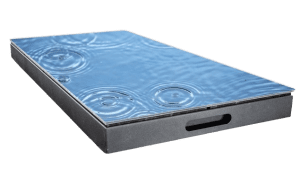
Durability starts with the enclosure. An IP65 rating under IEC 60529 indicates protection against dust and water jets; it does not mean a sign can withstand immersion or every cleaning method. Ask how the cabinet handles rain, wind-driven debris, heat, and condensation, and check whether the display’s seals and connectors are rated for outdoor exposure. Thermal management matters, too: heat trapped behind a sunlit panel can shorten component life. DOE guidance notes that LED lifetimes can reach many times those of incandescent lamps, but actual sign life depends on operating conditions and maintenance. One detail is easy to miss: a sealed cabinet can still be difficult to service. Look for accessible modules, clear fault diagnostics, and replaceable parts. Those features make repairs less disruptive, though they cannot prevent every failure.
Why Choose Programmable LED Signs for Outdoor Use?
Outdoor Features That Support Visibility and Durability
An IP rating describes an enclosure’s protection against solid objects and water. In these examples, the first digit 6 means dust-tight; the second digit identifies the water-test category. IP65 and IP66 are tested against water jets, while IP67 is tested for temporary immersion under specified conditions. Choose a rating suited to the sign’s installation environment; an IP rating does not measure brightness or guarantee performance in every outdoor condition.
How Programmable Content Serves Different Communication Needs
Outdoor communication changes with the hour, the weather, and the people passing by. Programmable LED signs let operators adjust messages without replacing printed panels. A café might display breakfast hours in the morning, then promote evening service later. At a busy entrance, a short direction or schedule can be easier to notice than a crowded poster. Clear wording matters. Drivers and pedestrians often have only a few seconds to read.
Tips: Use large text, strong contrast, and one main idea per screen. Schedule updates before opening, and check legibility from the actual viewing distance. Keep a backup plan for outages.
Different messages need different pacing. A changing schedule may call for frequent updates, while a safety reminder should remain visible long enough to read. Brightness should suit the surroundings; a display that looks clear in daylight may feel harsh after dark. In practice, it is easy to add too much information. That happens. Review the screen from across the street, remove words that do not help, and ask someone unfamiliar with the message what they understand. A simple test can reveal confusing abbreviations or overlooked details.
Factors to Consider When Choosing an Outdoor LED Sign
Outdoor programmable LED signs need more than vivid color. Start with viewing distance. A sign beside a sidewalk needs finer pixel spacing than one viewed across a parking lot. Measure where people will actually stand, then test sample text at that distance. Brightness should stay readable in direct sun, yet excessive output can waste energy and look harsh after dark. There is no perfect setting for every site.
Check the enclosure’s protection against rain, dust, and temperature swings. Ask how the sign manages heat and ventilation. An IP rating helps, but installation details matter too; cable entries and mounting points can become weak spots. Confirm service access, replacement-part availability, warranty coverage, and support options. Maintenance is not glamorous. It matters. Also check power requirements and how easily staff can update messages without specialist help.
Tips:
Visit the site at different times of day, and note glare, shadows, and viewing angles. Keep messages short. Test the actual font and colors before purchase; they may look different outdoors than on a laptop. Don’t overlook maintenance access.
Installation and Maintenance for Reliable Long-Term Use
Outdoor reliability begins before the display is switched on.
Check the wall or pole, mounting points, cable glands, and drainage path against the sign’s weight and local wind exposure. Use an enclosure rating suited to the site: under IEC 60529, IP65 indicates dust-tight protection and resistance to water jets, but it does not guarantee protection from every installation condition. Keep connectors facing down where practical, and seal penetrations without blocking drainage or ventilation. Small gaps matter.
Maintenance should be planned, not improvised after a dark module appears. Inspect seals, fasteners, cable jackets, and ventilation openings at least twice a year, with extra checks after severe weather. Isolate power before opening the cabinet, and record faults, repairs, and operating hours. The U.S. Department of Energy’s report, LED Luminaire Lifetime: Recommendations for Testing and Reporting, explains why rated life should be tied to lumen maintenance, commonly the L70 point, rather than treated as a guarantee that every component will last equally long. That distinction matters outdoors, where heat and moisture can age parts unevenly. Clean gently; abrasive tools can damage lenses. Keep records. A missed gasket is easy to overlook, and even a well-rated enclosure can fail when its seal is pinched during installation.


 House of Worship
 Transportation
 Trade shows led display
 retail
 Creative Led Solutions
 Hospitality
 Higher Education
 Corporate LED