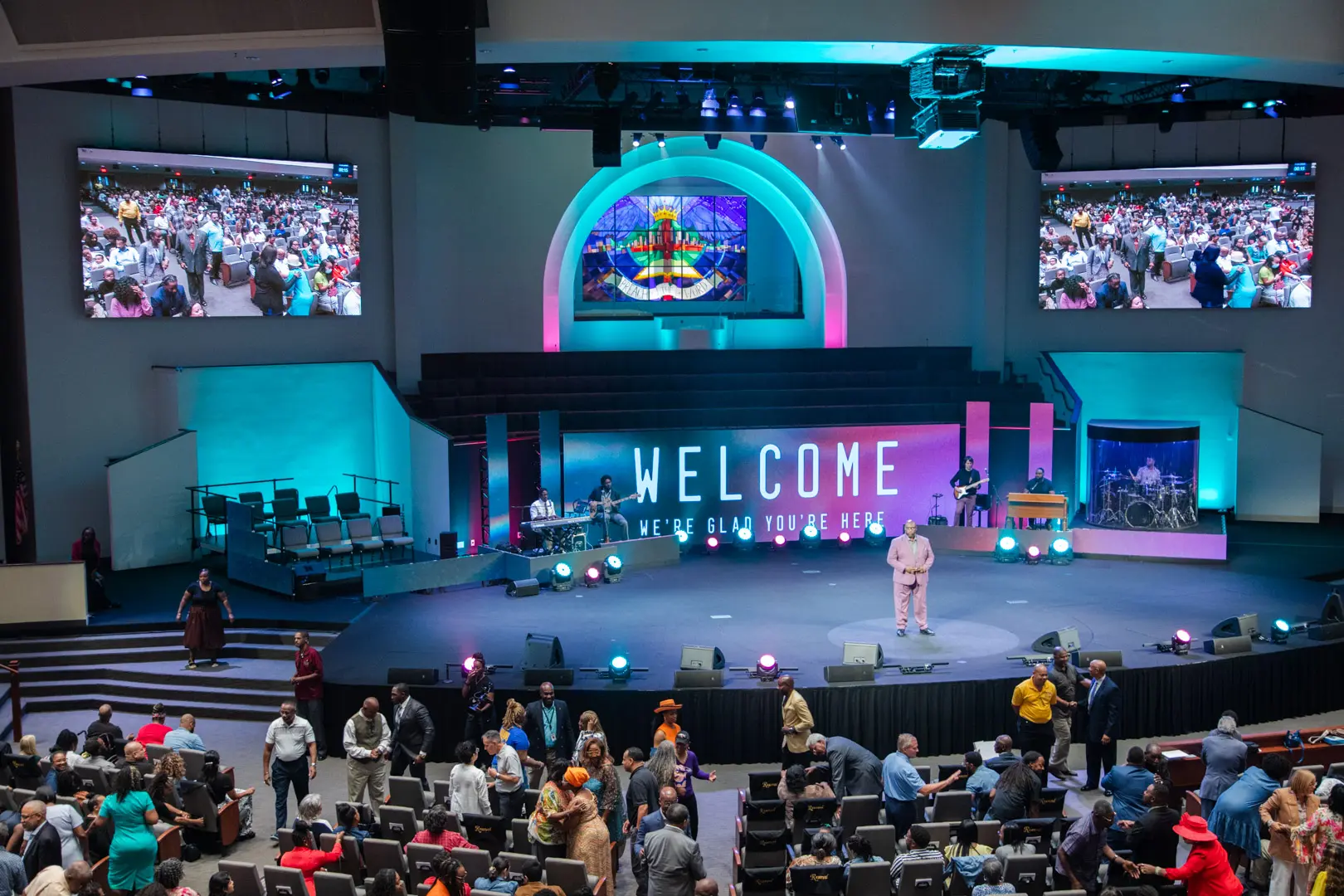
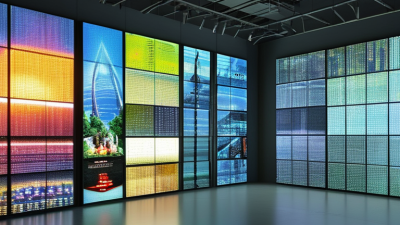
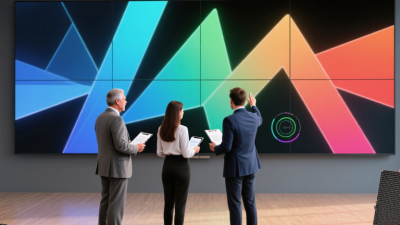
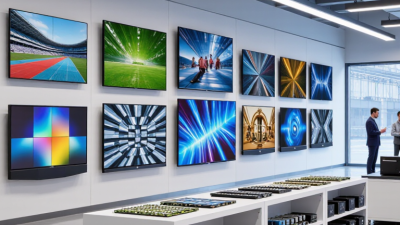
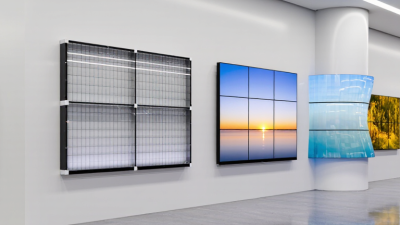
Communicate worship schedules and sermon messages while engaging your congregation with visual technology.
View More
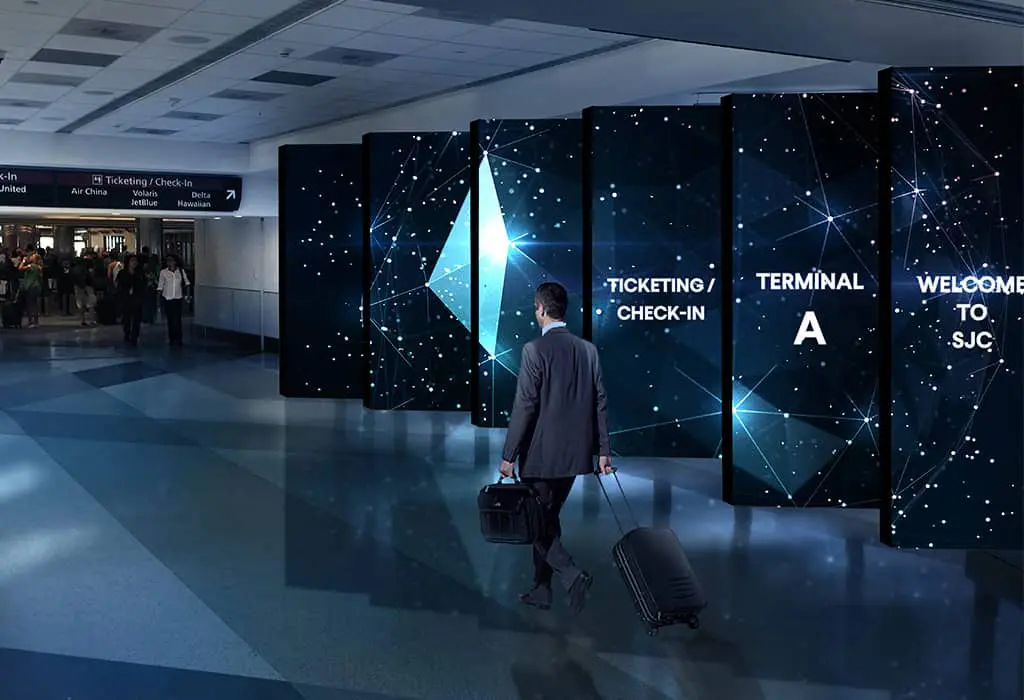
LED displays in transportation settings, such as airports, train stations, and bus terminals, serve as dynamic platforms for real-time information, advertising, and wayfinding, enhancing passenger experience with clear, up-to-date travel details and announcements.
View More
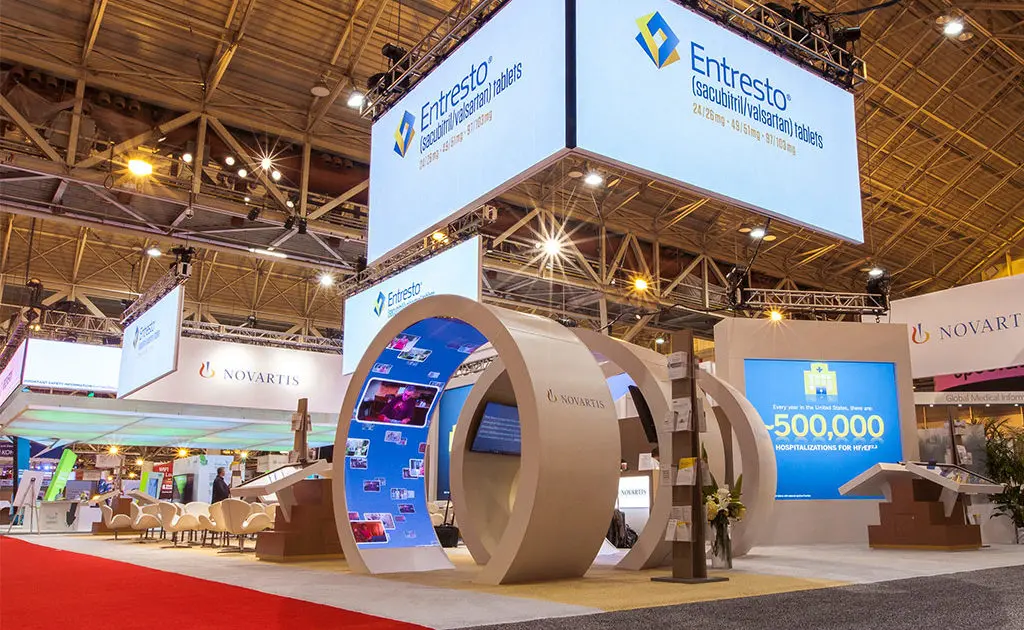
Differentiate yourself from the competition by incorporating a digital experience in your booth with our trade show LED displays.
View More
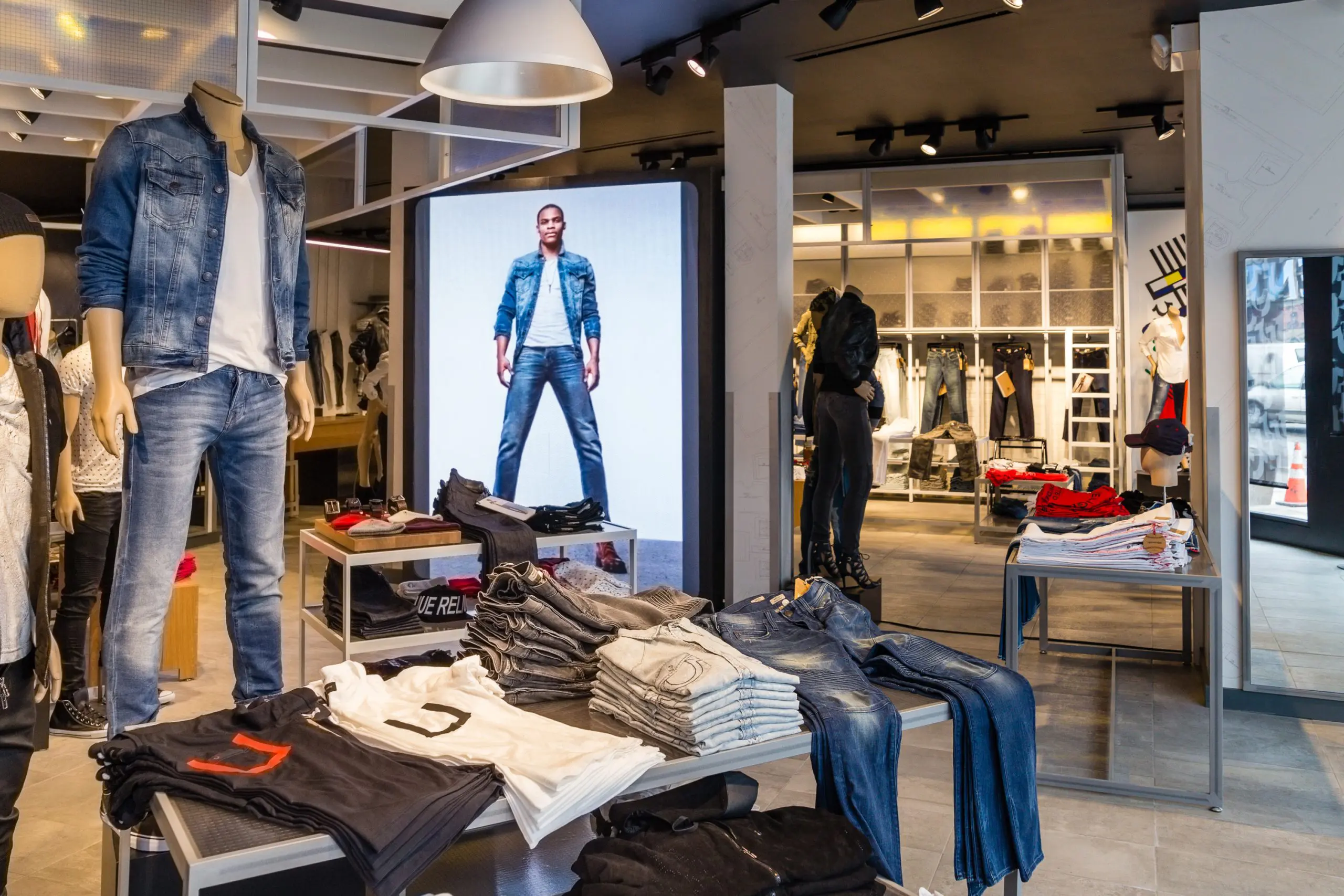
Communicate your brand’s message, stand out from the competition and engage your target market with LED digital signage.
View More
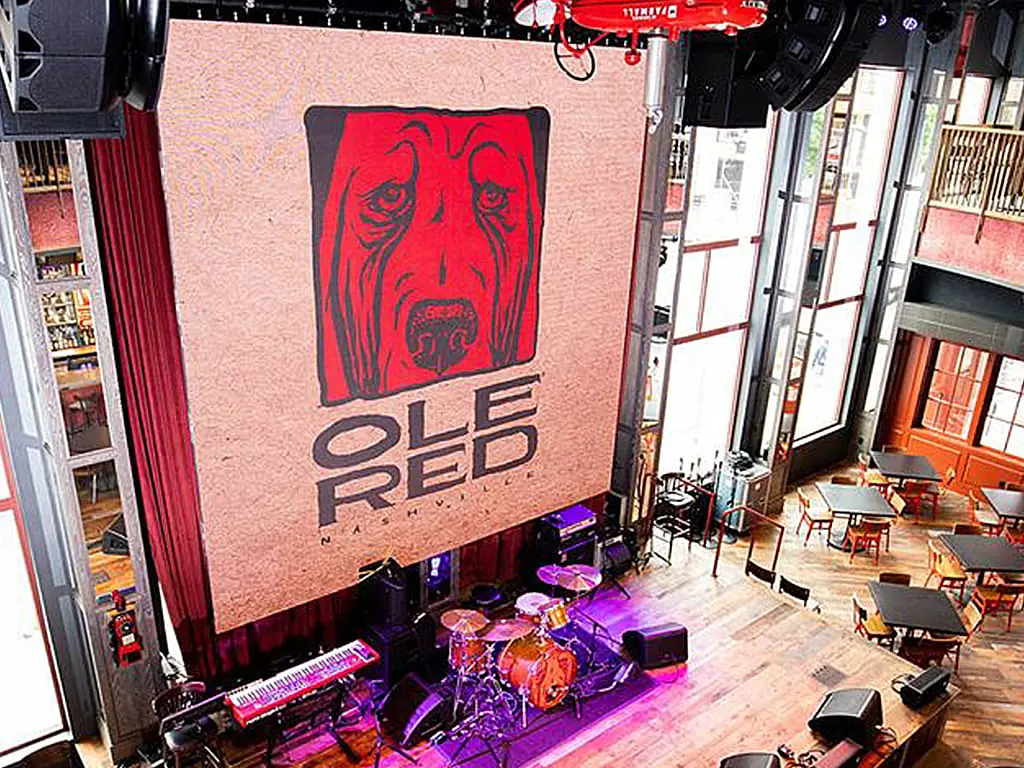
We offer creative solutions at cost-effective rates. You will be able to deliver your sermons more effectively and engage your congregation through one-of-a-kind lyric video walls and house of worship LED displays.
View More
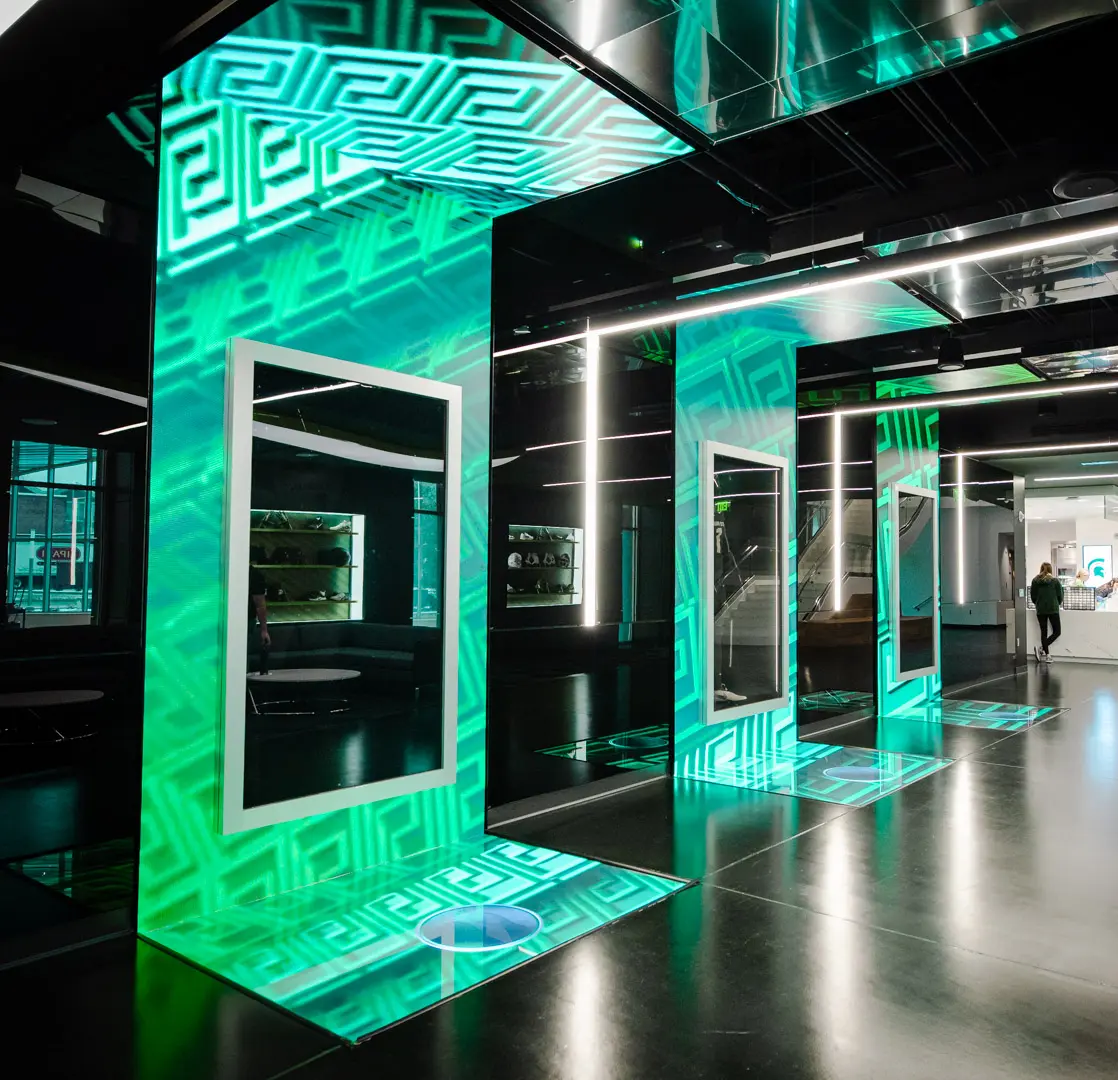
Enhance ambiance, display interactive directories and wayfinding displays, and promote amenities and events to elevate the guest experience.
View More
Incorporate digital displays to enhance your students’ learning experience and market to prospective students and donors.
View More
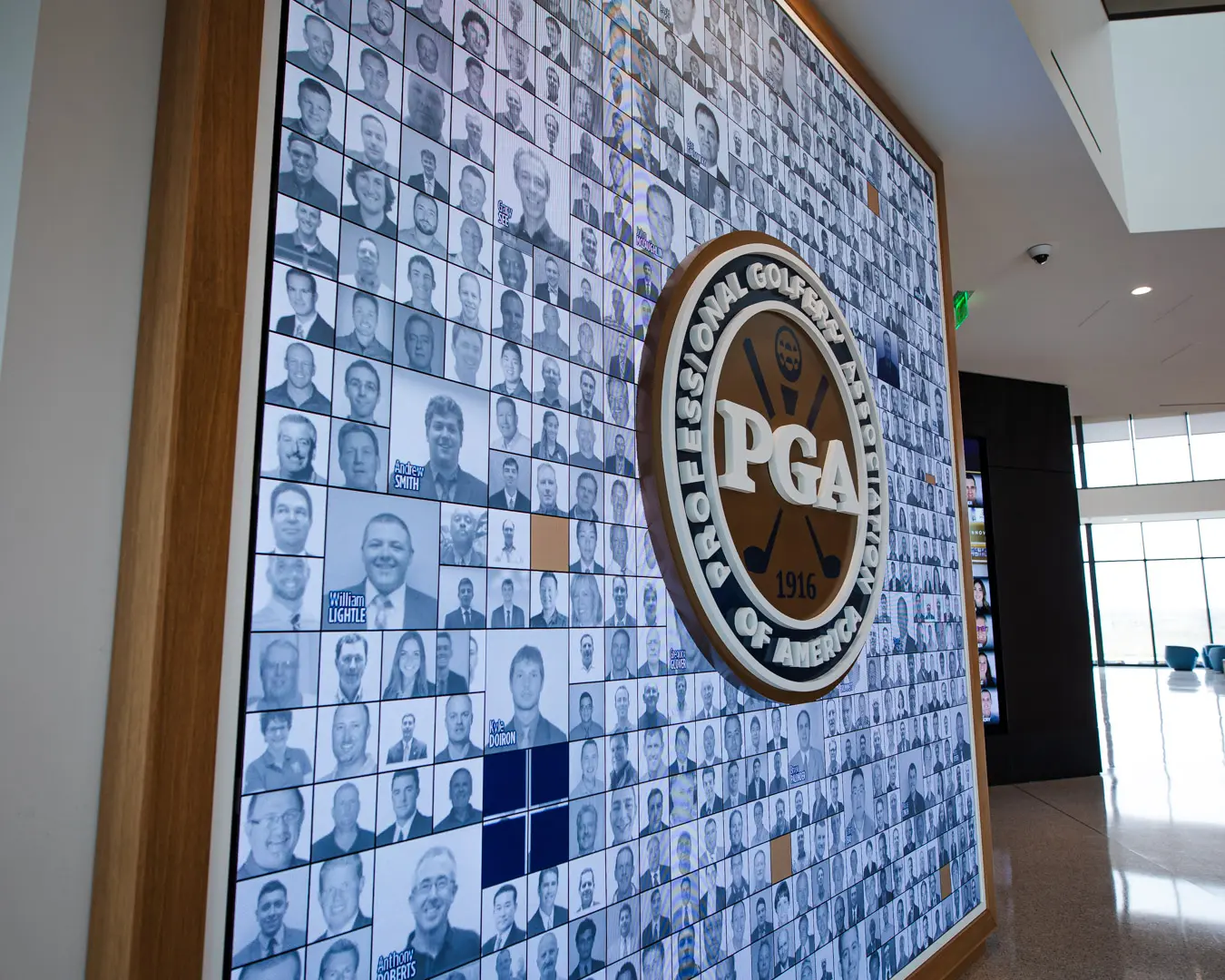
Transform your corporate spaces with PixelFLEX LED video displays. Enhance communication, elevate branding, and create dynamic environments.
View MoreChoosing among China’s LED manufacturers requires more than comparing prices or product photos. A display that looks impressive in a showroom may behave differently on a bright outdoor stage or in a small conference room. This guide introduces ten manufacturers associated with LED wall panels and explains what buyers should examine before requesting a quotation. Details matter.
The comparison focuses on practical indicators: product range, pixel pitch options, cabinet construction, brightness, refresh rate, and installation support. It also considers whether manufacturers provide clear specifications, sample testing, warranty terms, and responsive technical assistance. These checks help buyers assess suitability, not just marketing claims. No single supplier is best for every project.
Requirements vary. A rental company may prioritize lightweight cabinets and quick maintenance, while a control room may need consistent color and reliable long-hour operation. Buyers should confirm performance with current product data and, where possible, a demonstration using their intended content. This step can reveal issues that a brochure cannot.
The manufacturers covered here offer different capabilities, production scales, and service models. Rankings can change with project needs, and public information does not always tell the whole story. Treat this list as a starting point for careful research, then compare written quotations and test results before making a decision. A little skepticism is useful.
Pixel pitch is the distance, in millimeters, between the centers of neighboring pixels. A 1.5 mm panel can show finer detail at close range than a 4 mm panel, but it may cost more and require greater processing capacity. There is no universal viewing-distance formula; room layout, content, and eyesight all affect the result. Stand several meters away and inspect moving footage, not just a test chart. Small details matter. SMD LEDs combine red, green, and blue emitters in compact packages, helping each pixel produce color. Still, color consistency also depends on calibration, temperature, and aging. A bright showroom can make a panel look better than it will in ordinary use.
IEC 60529 defines the IP code for protection against solid objects and water. In an IP65 rating, the first digit indicates dust protection, while the second relates to water exposure. An IP rating does not measure brightness, image quality, or resistance to every weather condition. Check the test documentation and installation details, including seams, connectors, cable entries, and panel orientation. A strong rating on the enclosure may not cover every connection after assembly. That is easy to overlook. For outdoor use, ask how the complete installed system is protected and serviced; specifications can leave practical questions unanswered.
A credible comparison of China’s top 10 LED wall panel manufacturers should start with factory capacity, not impressive showroom displays. Ask how many production lines are active and whether reported output includes outsourced work. A tour can reveal SMT equipment, cabinet assembly stations, and aging-test rooms. Look for panels running for several hours, with brightness and color checked across the screen. Ask how the factory handles rework. Real production is rarely flawless.
Product range matters because one specification does not suit every installation. Compare indoor and outdoor panels, pixel pitches, cabinet sizes, refresh rates, and front- or rear-service designs. Request technical datasheets and sample test reports, then check whether the stated values match the delivered product. A broad catalog is useful, but it can also hide gaps in engineering depth. No checklist is perfect.
Export reach should be judged through verifiable delivery experience, not a map of claimed markets. Ask for examples of shipments to regions similar to yours, plus details on packaging, lead times, warranty handling, and replacement-part availability. Clear manuals and responsive technical support matter after installation. A manufacturer may ship widely yet offer limited local assistance. That deserves a closer look.
For buyers comparing China’s top LED wall panel manufacturers, pixel pitch and refresh rate are practical starting points. A 1.2 mm pitch suits close viewing, such as a control room where fine text must remain legible. A 4.0 mm pitch is often more appropriate when viewers stand farther away. The right choice depends on viewing distance, content, and room layout—not pitch alone. A 3,840 Hz refresh rate can help reduce visible scan lines and camera banding, but it does not guarantee flicker-free footage. Camera shutter speed, scan method, and grayscale performance also matter.
AVIXA’s 2024 Industry Outlook and Trends Analysis put global professional audiovisual revenue at about US$325 billion for 2024. That market figure signals broad demand, but it does not certify any panel’s performance. Ask manufacturers for test results from the finished display, including refresh rate, grayscale at low brightness, calibration consistency, and thermal behavior. One specification can mislead. A module’s maximum refresh rate may differ from the wall’s performance after installation.
Tips: Match pixel pitch to the actual viewing distance, then test a sample with your own content and camera. Check fine text, moving images, and dark scenes. Request written measurement conditions, not just a spec sheet. Details matter.
When comparing China’s LED wall panel manufacturers, request current compliance documents for the exact panel model you plan to buy. RoHS records should identify the product or materials covered; a generic statement may not be enough. Check dates, model numbers, and the issuing organization. Small mismatches matter.
CE marking is a conformity claim for applicable European requirements, not a general quality award. Ask for the relevant declaration and supporting test information, then confirm they match the panel configuration. ISO 9001 concerns a manufacturer’s quality management system, not the performance of every screen. Verify the certificate’s scope, site, and validity. Paperwork can look convincing. It still needs checking.
Warranty terms deserve the same attention as certificates. Get the coverage period in writing, including pixel defects, power supplies, receiving cards, and labor. Ask who pays freight, how replacement parts are handled, and what response time applies to a faulty module. A useful check is to request the warranty before placing a deposit, then compare it with the quotation. Some documents leave gaps. For example, “three-year warranty” may not explain whether shipping is included or whether repairs happen locally. Clear answers make supplier comparisons more dependable.
Anonymous supplier due-diligence checklist. Verify each item against the specific manufacturer, product model, destination market, and purchase contract; this is not a ranked manufacturer list.
| Quality Check | What to Verify | Evidence to Request | Acceptance Check |
|---|---|---|---|
| 1. RoHS compliance | Confirm that the offered LED display product and relevant components meet applicable restricted-substance requirements for the destination market. | Product-specific declaration of conformity, supporting test reports, model number, and report date. | Match the documents to the exact model and supplier. RoHS requirements are substance restrictions, not a general quality grade. |
| 2. CE marking | For products placed on the European Economic Area market, check the applicable EU legislation and the manufacturer’s conformity assessment. | EU Declaration of Conformity identifying the product, applicable legislation, standards used, and responsible manufacturer. | Check the marking and declaration together. CE is a conformity marking, not a certificate issued by the European Commission. |
| 3. EMC evidence | Check electromagnetic compatibility for the intended configuration, including controller, power supplies, and cabling where relevant. | Applicable EMC test report or technical documentation listing the tested model and configuration. | Confirm the tested configuration is materially the same as the supplied system. |
| 4. Electrical safety | Review electrical safety documentation for the display, power supplies, and installation arrangement. | Relevant safety test reports, power-supply documentation, and installation instructions. | Check ratings, market applicability, and model details; do not rely on an unrelated component certificate alone. |
| 5. ISO 9001 quality system | Verify that the supplier holds a current ISO 9001 quality management system certificate covering the relevant manufacturing activities. | Certificate showing legal entity, scope, certificate number, issuing certification body, and validity dates. | Check the certificate with the issuing body and confirm the certified scope covers the offered products or manufacturing site. |
| 6. LED module and cabinet consistency | Confirm the quoted pixel pitch, cabinet dimensions, module design, refresh rate, brightness, and viewing specifications. | Model-specific datasheet, approved drawings, and a signed quotation or specification sheet. | Ensure the contract uses measurable values and identifies tolerances and the exact product configuration. |
| 7. Production and pre-shipment inspection | Agree on functional tests, visual checks, quantity verification, and inspection timing before production is completed. | Inspection checklist, test records, photographs or video, and a written inspection and acceptance procedure. | Define pass/fail criteria and remedies for defects before placing the order. |
| 8. Warranty duration and start date | Review the stated warranty period and when it begins, such as shipment, delivery, installation, or acceptance. | Signed warranty terms included in the quotation, purchase order, or sales contract. | Warranty periods are contract-specific; confirm the exact duration rather than assuming a standard term. |
| 9. Warranty coverage and exclusions | Clarify coverage for LED modules, power supplies, receiving cards, cabinets, labor, shipping, and consequential costs. | Written coverage schedule, exclusions, claim procedure, and repair or replacement terms. | Identify who pays freight and labor, and distinguish manufacturing defects from damage caused by misuse or installation. |
| 10. Spare parts and after-sales support | Agree on recommended spare-parts quantities, component availability, technical response channels, and service arrangements. | Spare-parts list, support contact details, service response commitments, and parts pricing or availability terms. | Record commitments in writing and confirm compatibility with the supplied product revision. |
Certification and compliance documents should be checked for authenticity, scope, validity, and model applicability. Requirements vary by product configuration and sales destination.
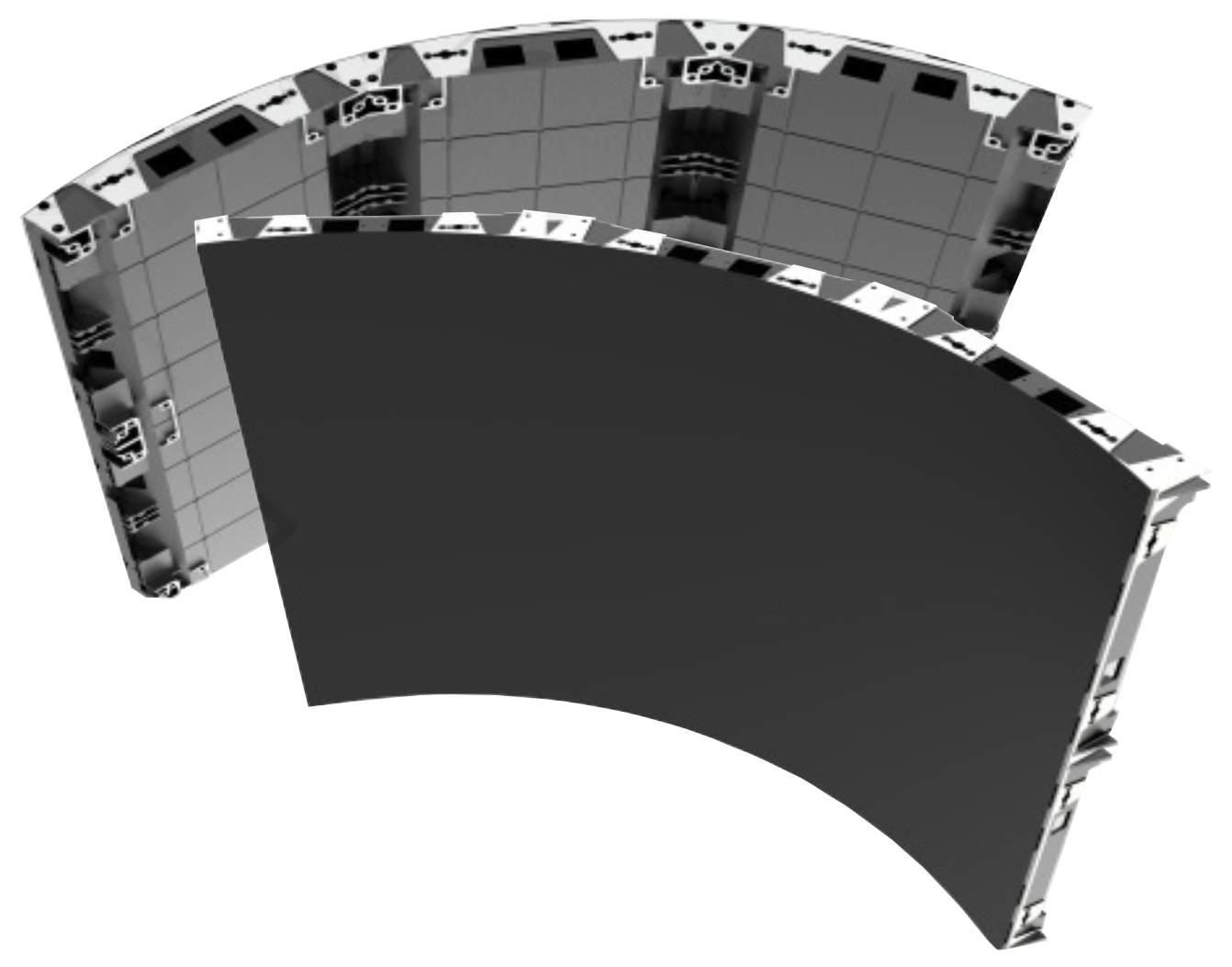
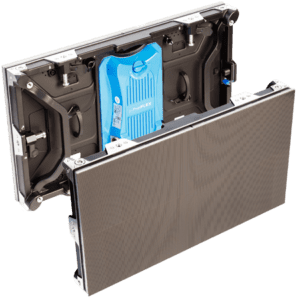
When comparing China’s LED wall panel suppliers, look beyond pixel pitch and quoted price. Cabinet design affects installation speed, alignment, and maintenance access. Ask for cabinet drawings, panel weight, locking method, and rear-service clearance.
Small details matter. A lightweight cabinet may reduce rigging effort, but its frame still needs to withstand repeated handling.
Service life should be assessed through component data and operating conditions, not a headline number. Request LED specifications, refresh-rate test results, power-supply details, and written warranty terms.
Check whether brightness and color-uniformity claims use a defined test method. Ask for evidence. Heat, dust, daily runtime, and ventilation can all affect performance.
Lead time needs a clear start point. Confirm whether it begins after deposit, approved drawings, or sample sign-off, then separate production from shipping.
Compare costs for cabinets, processors, cables, freight, installation support, spare parts, and maintenance. A low quotation can hide costly gaps.
One limitation is that color matching across a large wall may still need adjustment on site, even after factory checks.