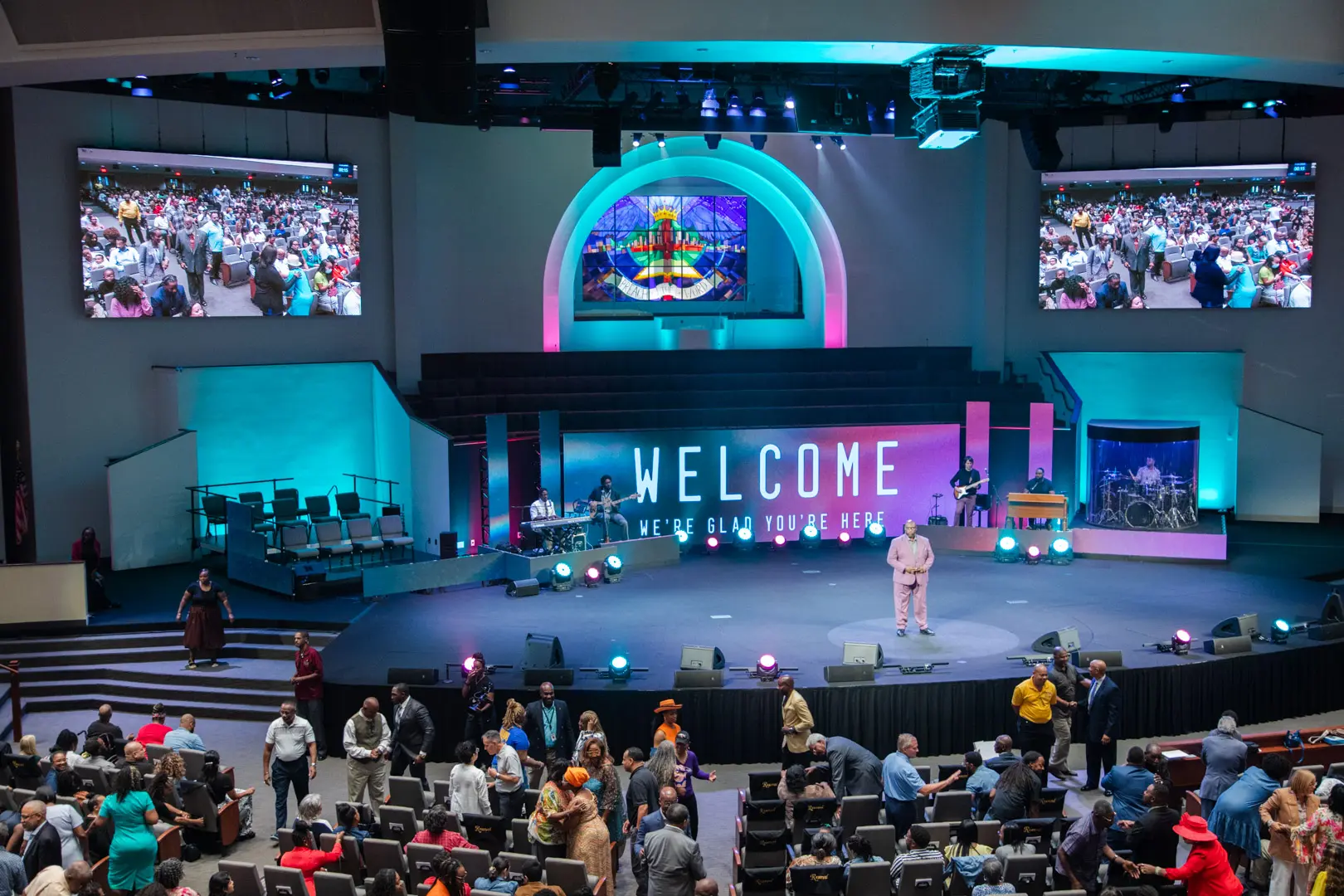
Communicate worship schedules and sermon messages while engaging your congregation with visual technology.
View More
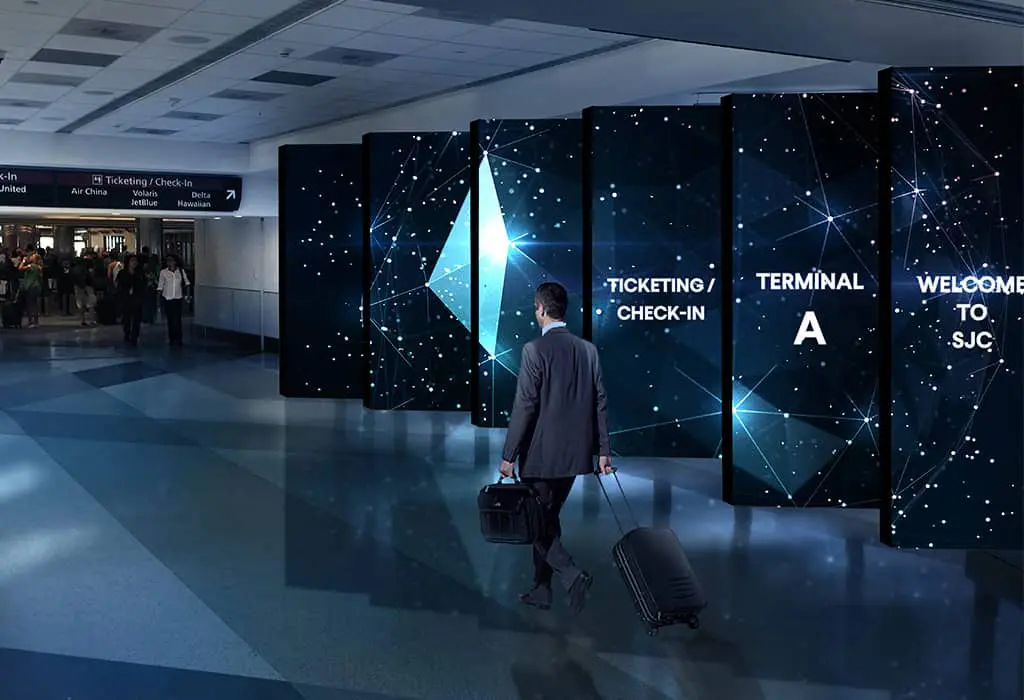
LED displays in transportation settings, such as airports, train stations, and bus terminals, serve as dynamic platforms for real-time information, advertising, and wayfinding, enhancing passenger experience with clear, up-to-date travel details and announcements.
View More
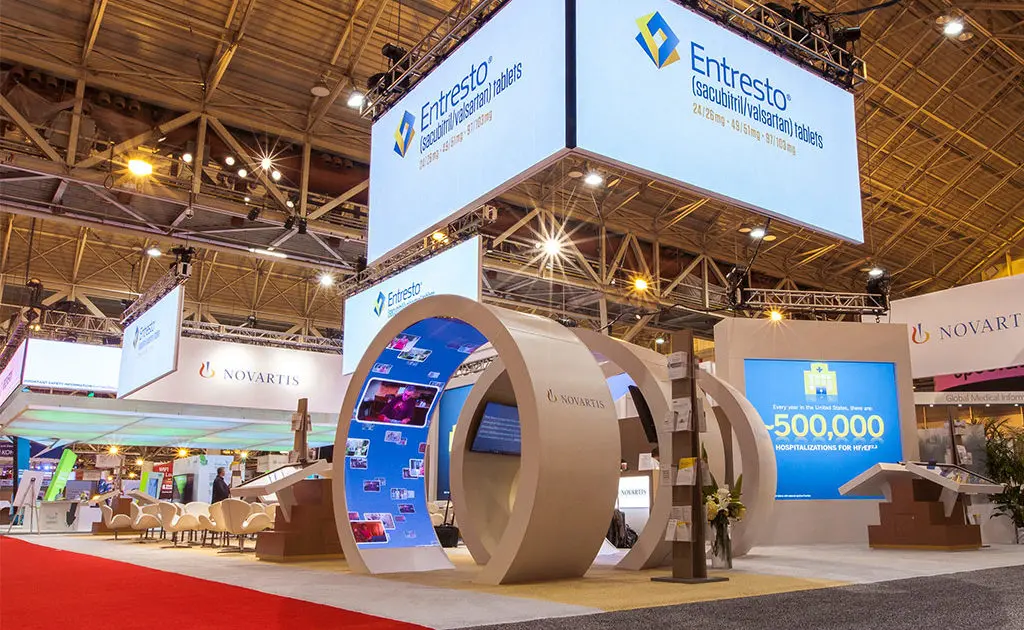
Differentiate yourself from the competition by incorporating a digital experience in your booth with our trade show LED displays.
View More
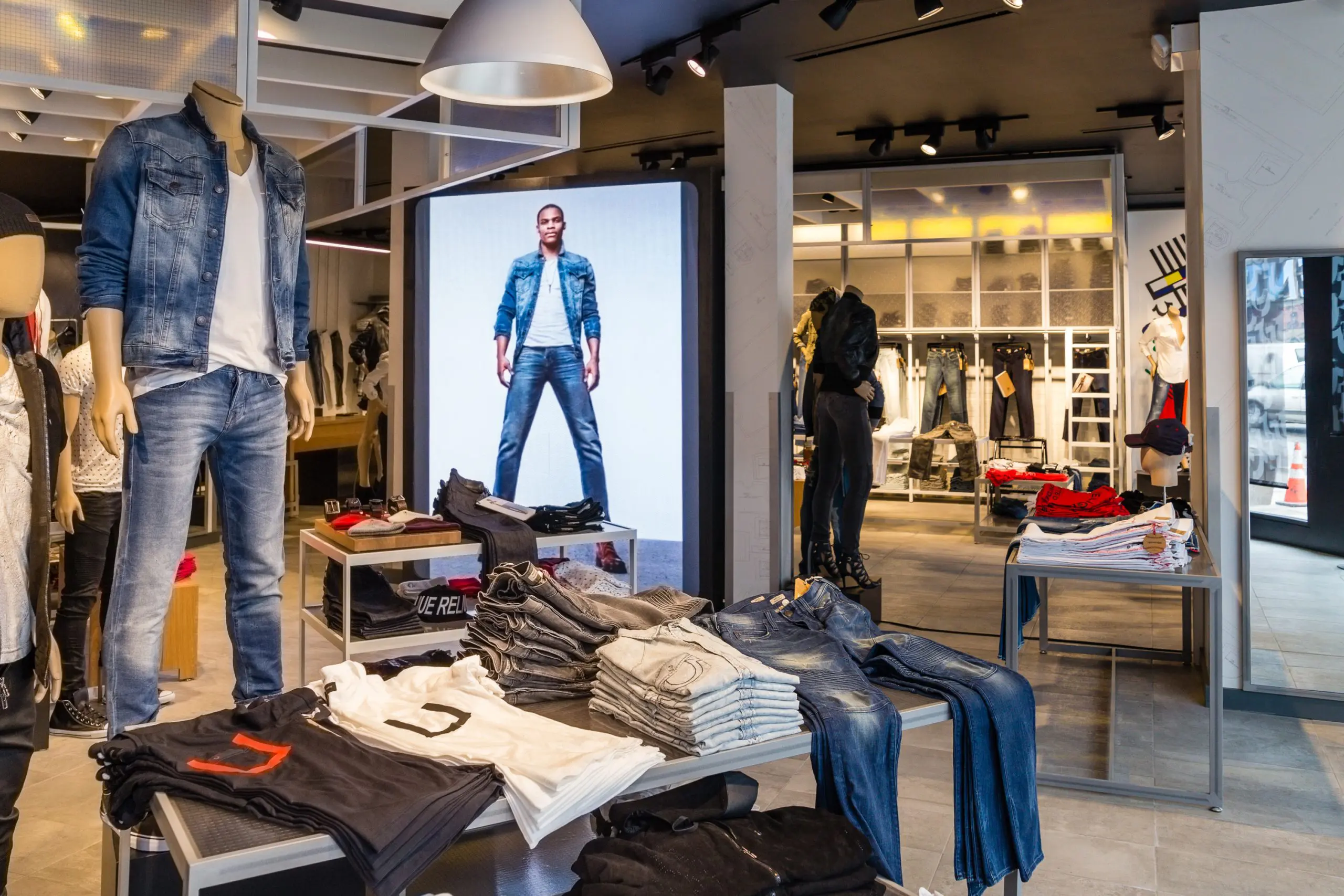
Communicate your brand’s message, stand out from the competition and engage your target market with LED digital signage.
View More
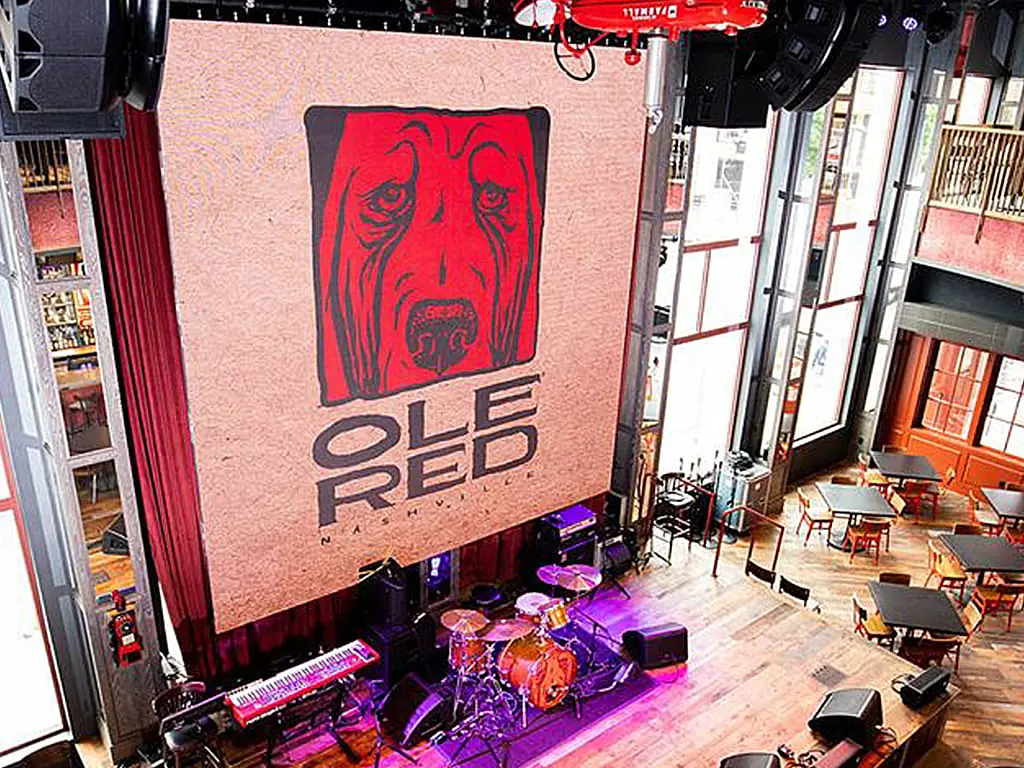
We offer creative solutions at cost-effective rates. You will be able to deliver your sermons more effectively and engage your congregation through one-of-a-kind lyric video walls and house of worship LED displays.
View More
Enhance ambiance, display interactive directories and wayfinding displays, and promote amenities and events to elevate the guest experience.
View More
Incorporate digital displays to enhance your students’ learning experience and market to prospective students and donors.
View More
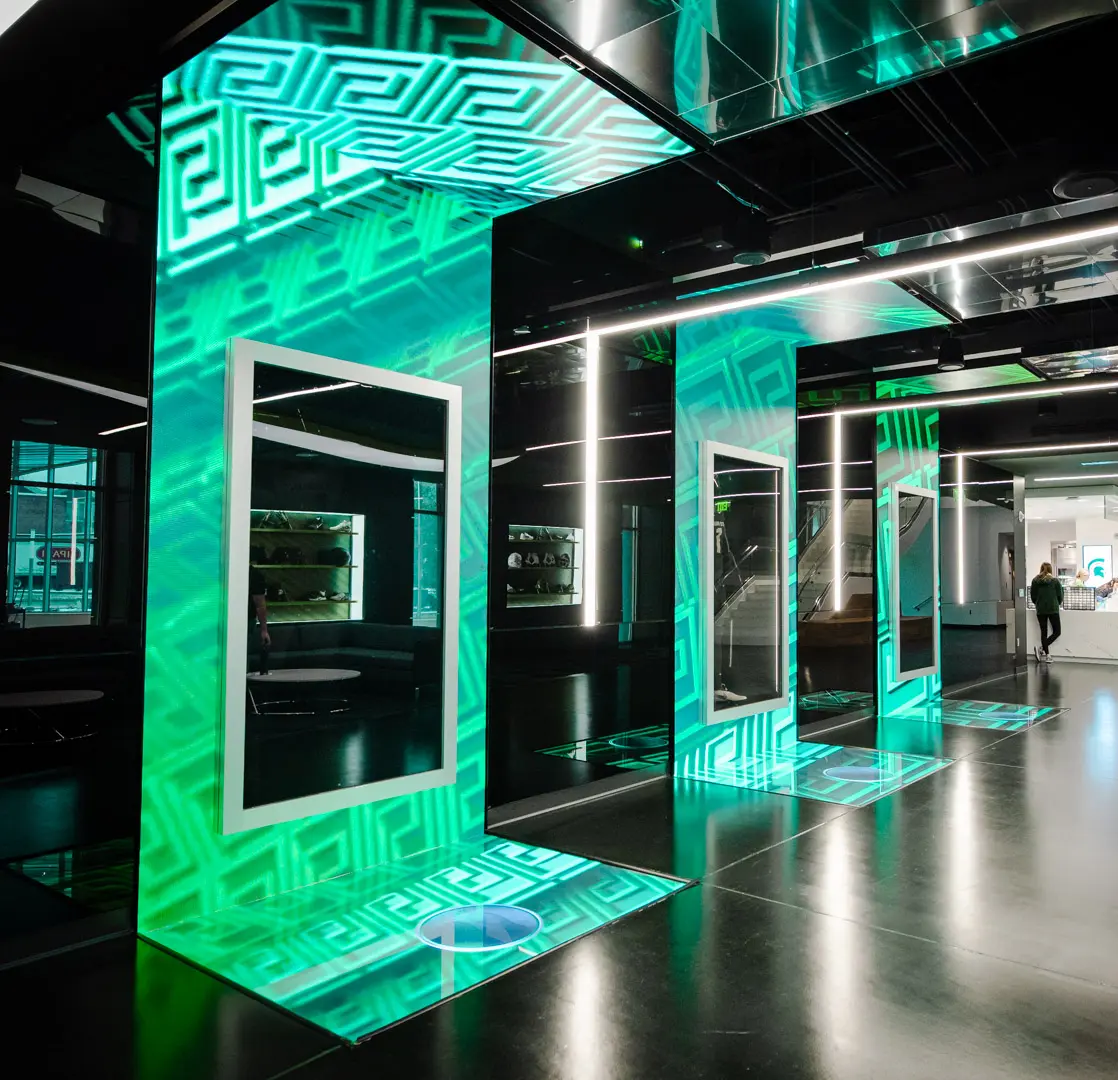
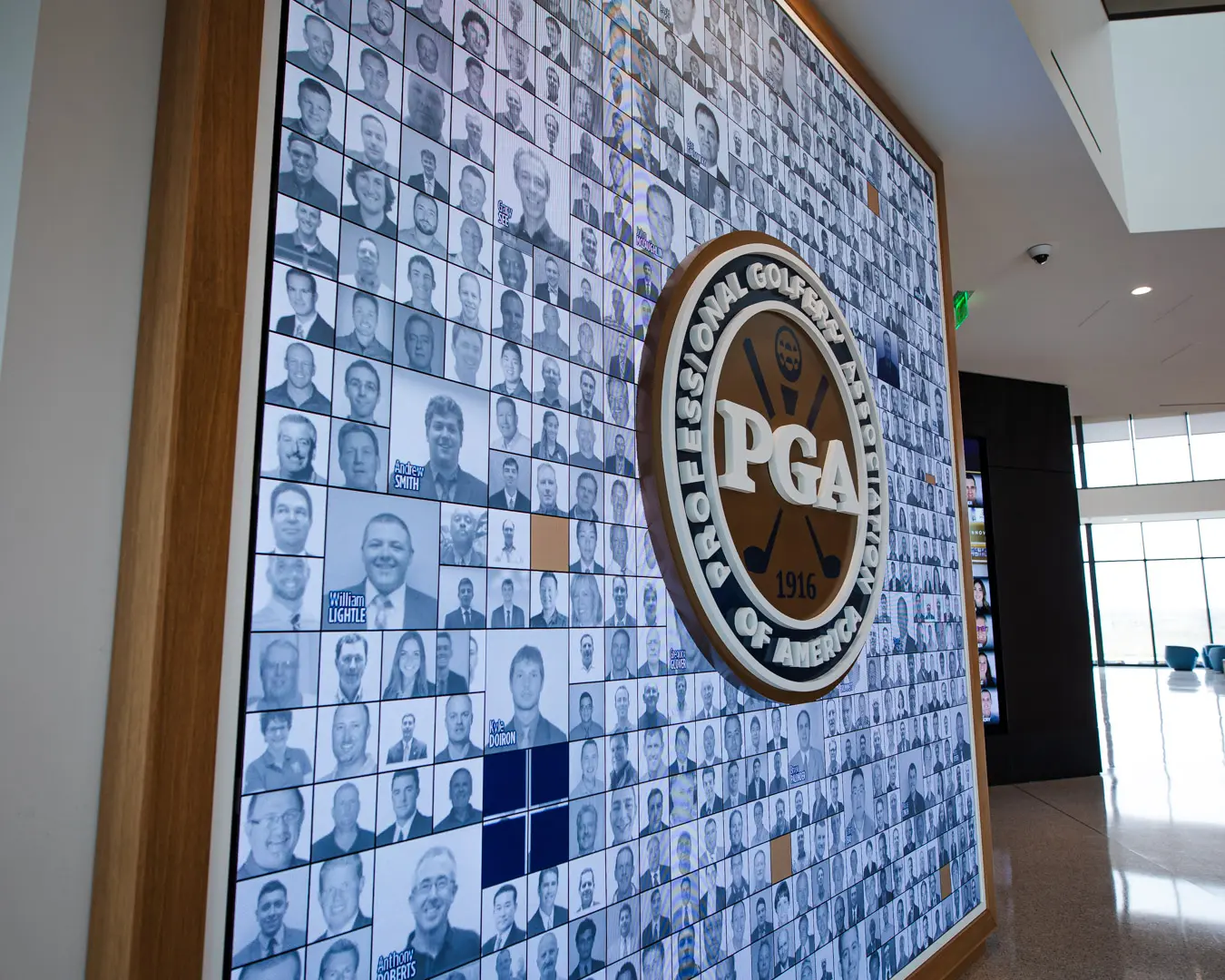
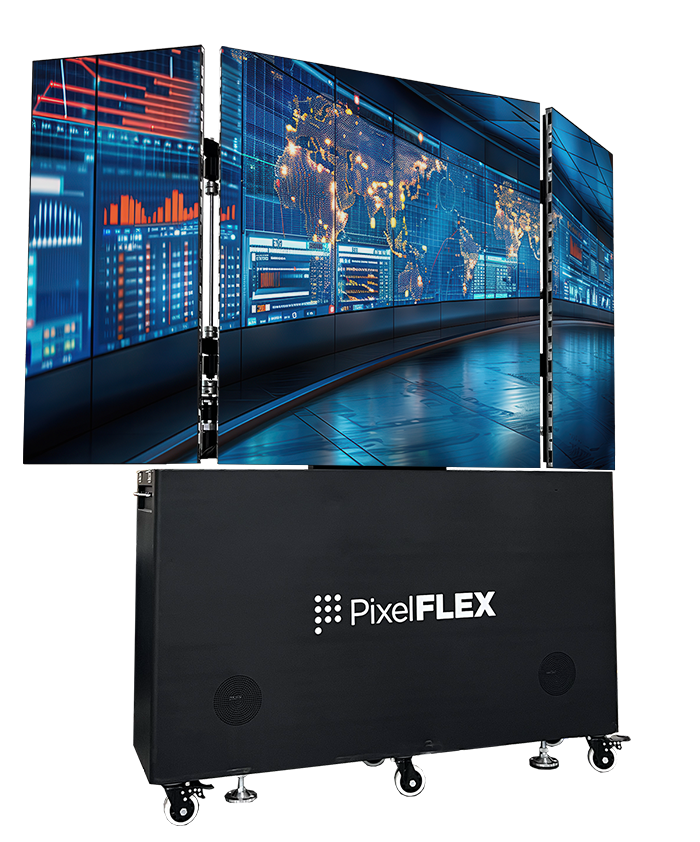
Transform your corporate spaces with PixelFLEX LED video displays. Enhance communication, elevate branding, and create dynamic environments.
View MoreChoosing LED wall panels is not simply a matter of brightness or screen size. The right choice depends on where the display will be installed, how far viewers will stand, and how often the screen may need to move. A fine-pitch panel can show crisp text in a meeting room, while a larger-pitch option may suit a stadium viewed from farther away. Details matter.
This guide explores ten common types of LED wall panels, including indoor, outdoor, rental, fixed-installation, flexible, and transparent designs. It explains practical differences buyers should compare, such as pixel pitch, brightness, cabinet size, access for maintenance, and protection from dust or moisture. A bright screen is not automatically a better screen. Viewing distance and ambient light can change what works.
Before requesting quotes, measure the installation area and note the content you expect to display. A live event with frequent setup changes has different needs from a retail wall that stays in place. Ask suppliers for product specifications, warranty terms, and service details, then compare them against your project requirements. Some features sound impressive but may add cost without solving a real problem. There is no perfect panel for every buyer, and specifications alone do not tell the whole story. Seeing a sample in realistic lighting can reveal issues that a brochure misses. The sections ahead offer a grounded starting point for narrowing your options and asking more useful questions.
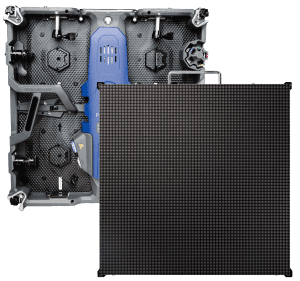
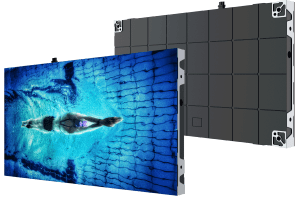
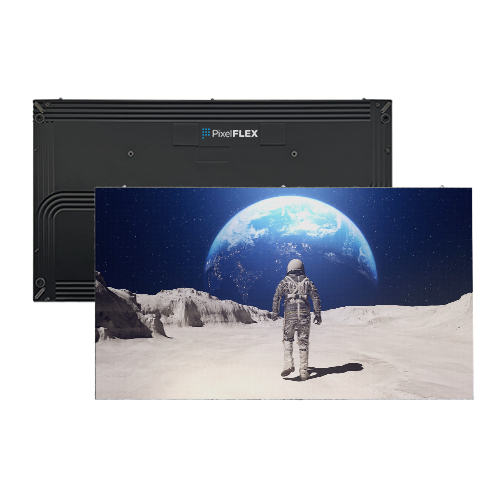
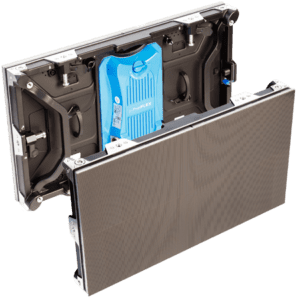
An LED wall panel is a modular display surface made from many tiny light-emitting diodes. Red, green, and blue LEDs combine at each pixel to create colors and images. A single panel may look like a rigid tile, but its face contains dense electronic components, while its rear holds connections and structural parts. Panels join edge to edge to form a larger screen. Small gaps matter.
A video source sends image data to a controller, which divides the picture among the panels. Driver circuits then switch each pixel on and off, or adjust its brightness, many times per second. This rapid control creates moving images that appear steady to viewers. Power supplies feed the system, while data cables carry timing and image information. In practice, alignment and calibration affect the result: a slight brightness mismatch can show as a visible patch, especially across a large, dark scene. Pixel pitch describes the distance between neighboring pixels; closer spacing usually helps when viewers stand near the wall. But it is not the only factor. Viewing distance, ambient light, ventilation, and service access also shape whether a panel setup works well. Real installations can be less uniform than diagrams suggest.
Pixel pitch is the distance between neighboring LED pixels. The chart compares common pitch options by theoretical pixel density, calculated as 1,000,000 ÷ pitch². A finer pitch provides more pixels per square meter and is typically suited to closer viewing distances.
Values assume a square pixel grid and are mathematical estimates, not guaranteed specifications for a particular panel. LED wall panels are assembled into larger displays; pixel pitch, installation environment, brightness, and viewing distance help determine the appropriate configuration.
LED wall panels are commonly classified by their environment, pixel pitch, and installation style. Indoor panels often use finer pixel spacing for close viewing in meeting rooms or retail displays. Outdoor panels typically need brighter output and weather-resistant construction. Pixel pitch describes the distance between neighboring pixels; smaller numbers usually suit closer viewing, but they can raise cost and processing demands.
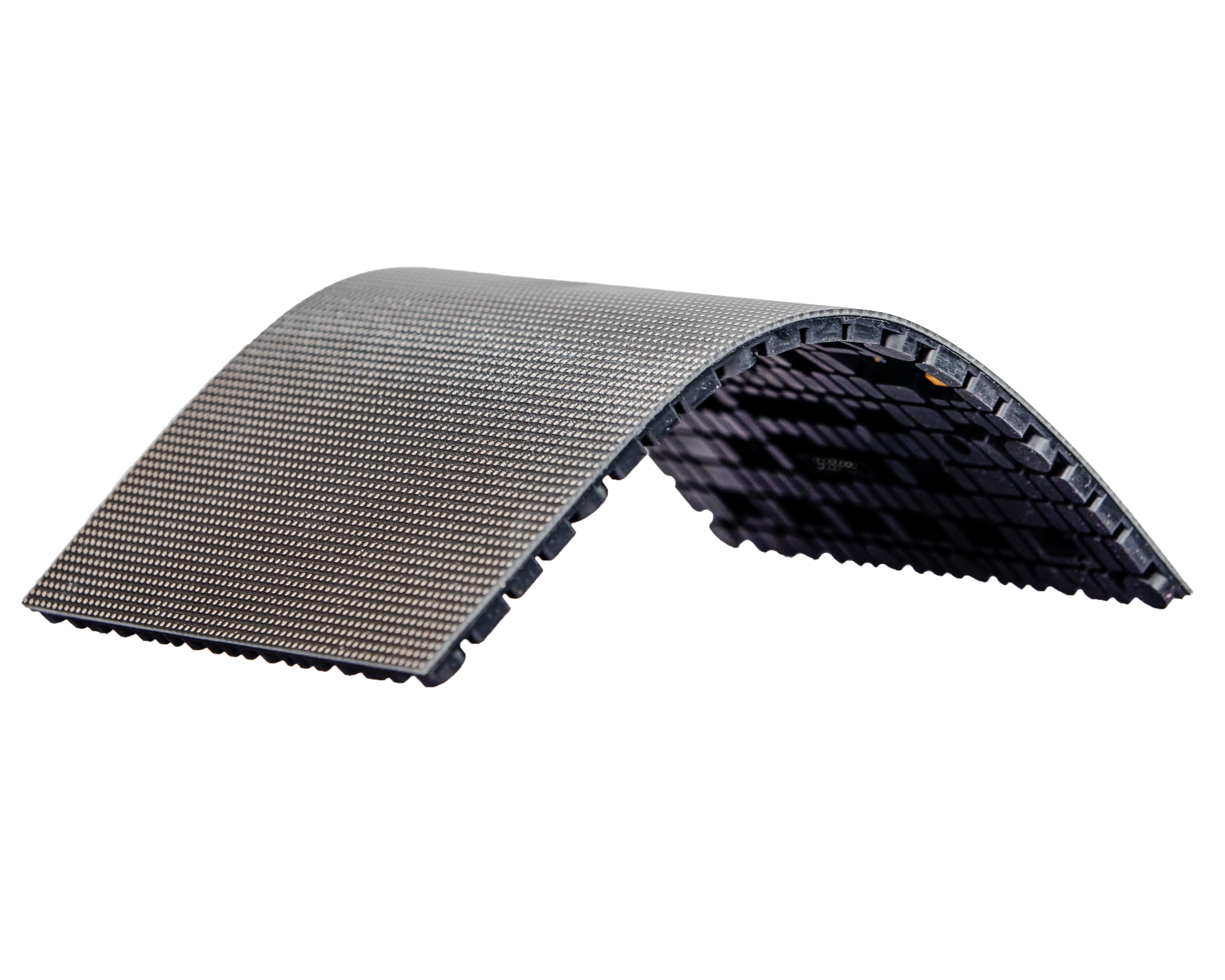
Installation types include fixed, rental, and flexible panels. Fixed cabinets suit permanent venues, while rental panels are designed for repeated assembly and transport. Flexible panels can follow curved surfaces, though their shape and mounting options may limit where they work well. Panels are also described by LED package technology, such as SMD or COB. These labels matter, but they do not tell the whole story. The categories overlap, and comparisons can get messy.
Tips: Match the panel to viewing distance, ambient light, and service access. Ask for brightness, refresh-rate, and maintenance details in writing. Check a sample at the actual viewing distance. Small differences can be noticeable. A specification sheet may still leave questions.
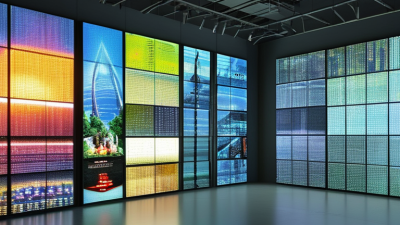
LED wall panels come in distinct forms, each suited to a different space and viewing distance. Fine-pitch panels show crisp text in control rooms and meeting spaces, where viewers sit close. Standard indoor panels suit retail displays and event halls with more space between the screen and audience. Outdoor panels use sealed cabinets and brighter LEDs to stay visible in daylight. Check how the screen handles heat and rain, not just its brightness rating. Rental panels are lighter and designed for repeated assembly. Quick setup matters.
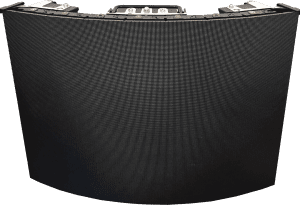
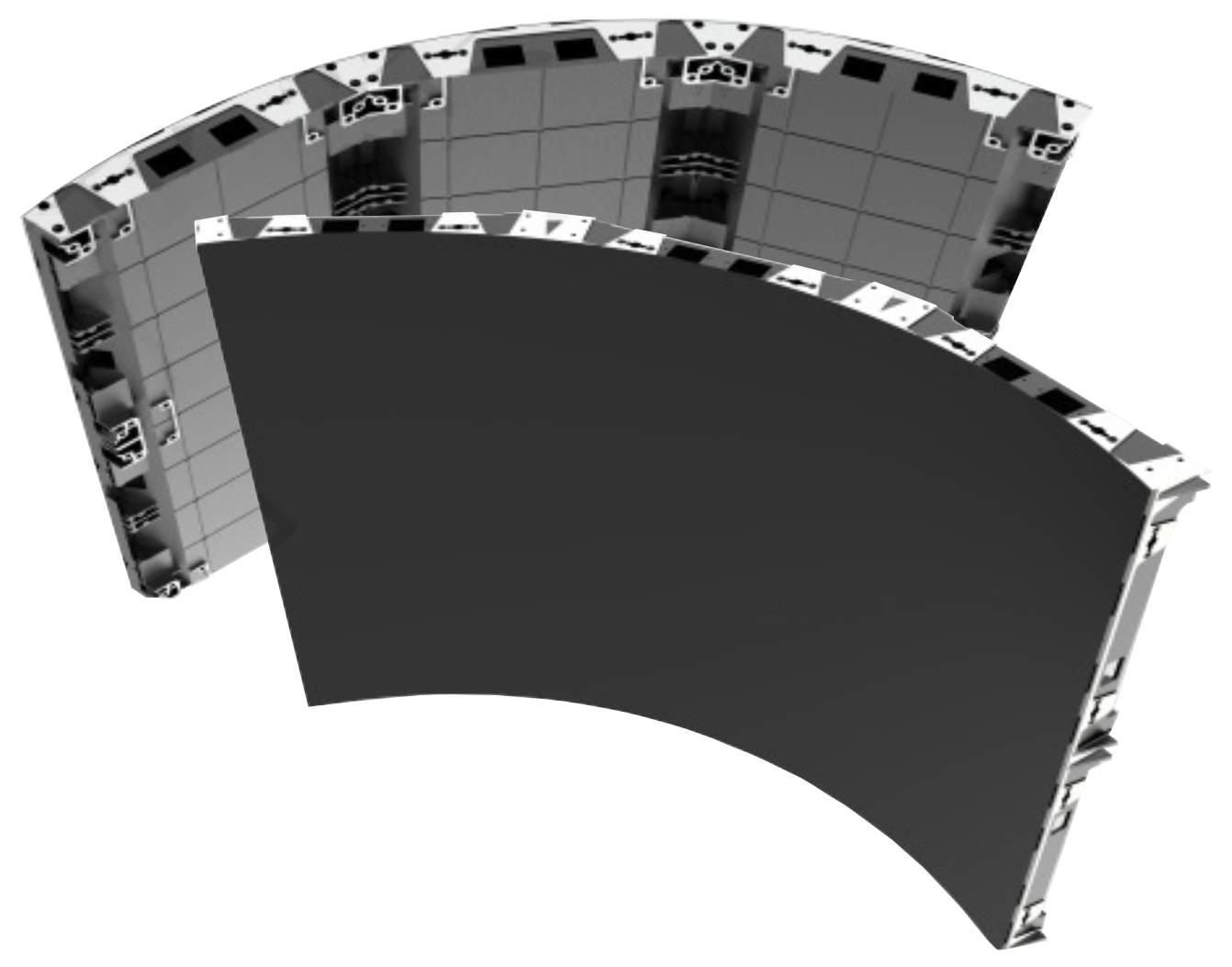
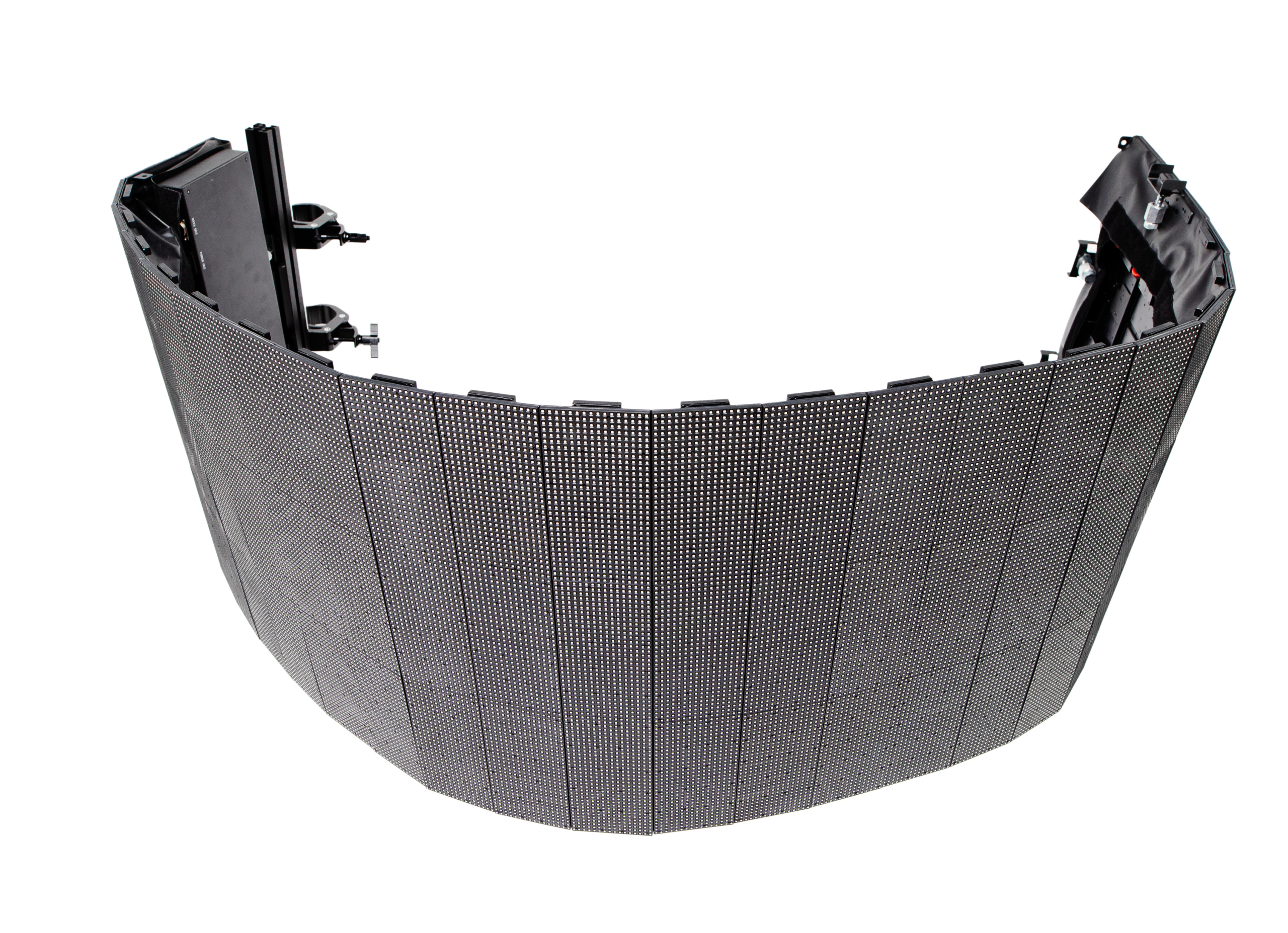
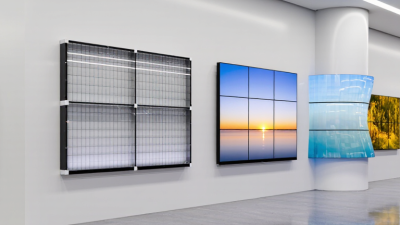
Fixed-installation panels are built to remain in place, such as in a lobby or auditorium. Transparent panels let light pass through shop windows, though bright backgrounds can reduce image contrast. Flexible panels bend around columns or shaped sets; their curves need careful planning. Curved panels create an immersive view, but overly tight curves may limit compatible cabinets. Specs can be confusing.
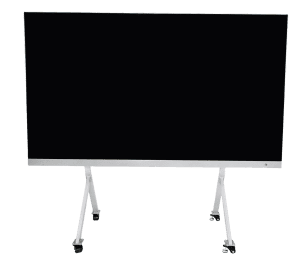
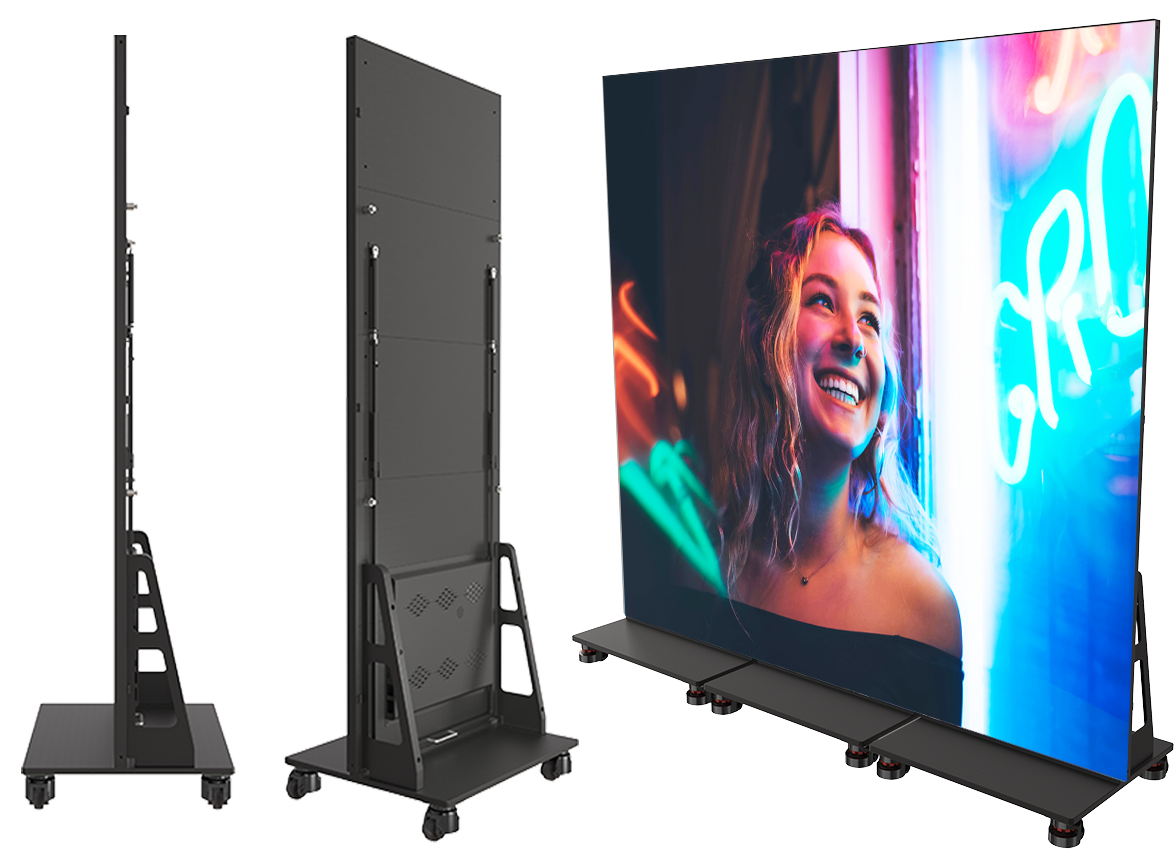
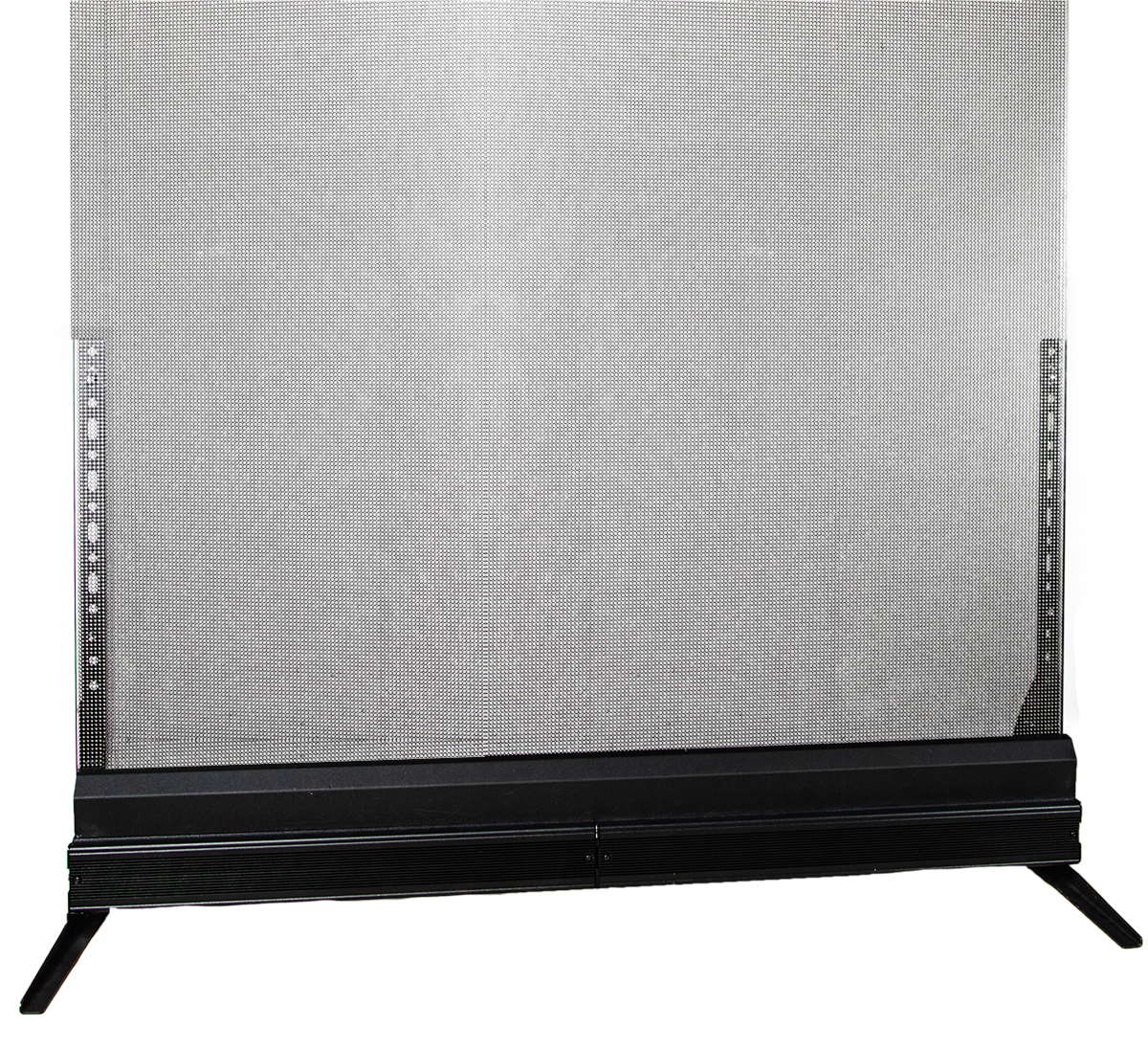
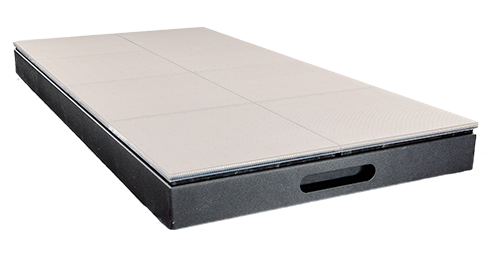
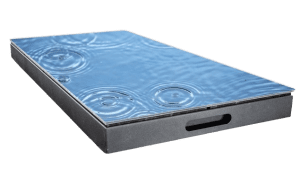
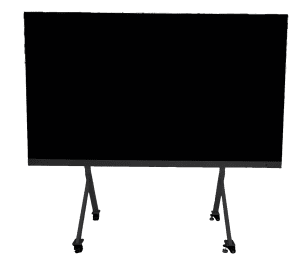
Floor panels use reinforced surfaces for interactive displays and stage effects. They need suitable load ratings and a finish that resists slipping. All-in-one LED displays combine the screen, control system, and audio in one package, making them practical for smaller meeting rooms. Buyers should compare pixel pitch, cabinet size, service access, and installation conditions. A panel can look impressive in a showroom yet feel too bright or coarse in the actual room. Check samples at the intended viewing distance.
Indoor fine-pitch panels suit control rooms, studios, and meeting spaces where viewers sit close. Their small pixel spacing keeps text and faces crisp, but costs more and can make maintenance less forgiving. Standard indoor panels work well in lobbies and event halls, where viewing distances are longer. Outdoor panels need higher brightness and weather-resistant cabinets. Check the stated protection rating, not just the word “outdoor.” Sunlight changes everything.
Rental panels are lighter, connect quickly, and often include corner protection for touring shows. Fixed-installation panels prioritize stable mounting and long operating hours. Transparent panels preserve sightlines through shop windows, though bright surroundings can reduce image contrast. Curved or flexible panels create rounded stages and columns, but tight curves may limit cabinet choices. COB and SMD describe different LED packaging approaches: COB surfaces can resist impact, while SMD designs are common and easier to service. Actual results depend on construction.
Floor panels need load-bearing surfaces and impact protection; ordinary display cabinets are not substitutes. A practical comparison should include pixel pitch, brightness, refresh rate, viewing distance, and access for repairs. Ask how a technician reaches a failed module after installation. Small detail, big consequence. Specifications can look convincing on paper, and I would still test a sample under the room’s real lighting before ordering.
Choosing an LED wall panel starts with where people will view it. For a conference room, fine-pitch panels keep text sharp at close range. A stage viewed from farther away may suit a wider pixel pitch and larger modules. Measure the nearest viewing distance, wall width, and ceiling height before comparing quotes. Measure twice.
Brightness should match the room, not simply be as high as possible. Indoor panels generally need less output than outdoor models, which must compete with daylight and resist weather. Check brightness, refresh rate, and color consistency under realistic conditions. If people will film the display, request a camera test; flicker or scan lines may appear even when the screen looks fine in person.
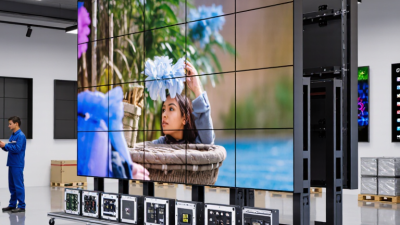
Consider installation and maintenance, too. Front-service panels can be easier to access when the rear is blocked, while rear-service designs may suit spaces with a service corridor. Rental panels often prioritize quick locking and lighter cabinets; fixed installations may favor stable mounting and easy access to spare modules. Compare power use, control compatibility, warranty terms, and replacement-panel availability—not just price per square meter. A sample panel can reveal color shifts and visible seams, but may not represent the full wall perfectly. Ask how the supplier handles calibration and installation tolerances before ordering.
Typical specifications vary by product and installation. Compare actual panel datasheets, viewing distance, ambient light, and site conditions before purchasing.
| LED Wall Panel Type | Typical Pixel Pitch | Typical Brightness | Best Suited For | Key Buying Consideration |
|---|---|---|---|---|
| Indoor Fine-Pitch LED | About 0.9–2.5 mm | About 600–1,200 nits | Control rooms, studios, conference rooms, and close-viewing areas | Smaller pitch supports closer viewing but usually increases cost and maintenance demands. |
| Standard Indoor LED | About 2.5–4 mm | About 800–1,500 nits | Retail spaces, halls, auditoriums, and general-purpose displays | Match pixel pitch to the expected viewing distance and the detail in your content. |
| Outdoor LED | About 4–10 mm | About 4,000–8,000 nits | Building façades, roadside signs, and outdoor venues | Check the specified ingress-protection rating, viewing distance, ventilation, and sun exposure. |
| Rental LED | About 2.6–4.8 mm | About 1,000–5,000 nits, depending on indoor or outdoor use | Concerts, exhibitions, conferences, and temporary events | Look for quick-lock cabinets, reliable alignment, manageable weight, and suitable protection for the venue. |
| Transparent LED | About 3–10 mm, depending on design | Often about 2,000–6,000 nits | Glass storefronts, atriums, and installations where light transmission matters | Confirm transparency, contrast in bright conditions, structural support, and visibility from both sides. |
| Flexible or Curved LED | About 1.5–4 mm | About 800–2,000 nits for typical indoor installations | Columns, curved walls, creative displays, and non-flat surfaces | Check the minimum bend radius, mounting method, and whether the shape requires custom cabinet design. |
| LED Floor Panels | About 2.5–6 mm | About 1,000–3,000 nits | Stages, interactive floors, event spaces, and showrooms | Verify load capacity, slip resistance, impact protection, and safe cable routing. |
| Perimeter LED Panels | About 6–10 mm | About 4,000–7,000 nits for outdoor venues | Sports fields and arena advertising borders | Consider viewing angles, impact protection, weather resistance, and camera-friendly refresh performance. |
| All-in-One LED Display | About 0.9–2.5 mm | About 500–1,000 nits | Meeting rooms, classrooms, and presentation spaces | Check included processing, audio, connectivity, installation needs, and compatibility with your devices. |
| MicroLED Display | Typically below 1 mm; product formats vary | Varies widely by product and intended environment | Premium large-format displays and specialized installations | Evaluate total system cost, serviceability, installation requirements, and independently documented specifications. |