What Are the Top Types of LED Wall Panels?
LED wall panels can turn a blank wall into a vivid display, but the right type depends on the space and its purpose. A close-view control room needs finer pixel pitch than a large arena screen viewed from distant seats. Brightness, viewing distance, installation limits, and maintenance access all affect the choice. Small details matter. A narrow service corridor, for example, may make rear access impractical.
This guide introduces common options, including indoor and outdoor panels, fixed-installation and rental systems, transparent displays, and flexible panels. It also explains how LED technologies such as SMD and COB can influence image quality, durability, and upkeep. These categories can overlap, so product labels alone may not reveal how a panel will perform in a real installation. There is no perfect panel for every room. Even experienced buyers may need to revise an early choice after checking sightlines, ambient light, and mounting conditions. Comparing specifications, asking vendors for demonstrations, and reviewing warranty and service details can help make the decision more dependable. The aim is not to chase the highest resolution or brightness, but to match the display to its viewers, environment, and daily use. Some trade-offs remain. A practical choice usually balances image clarity, cost, installation effort, and long-term support.
How LED Wall Panels Are Classified by Design and Use
What Are the Top Types of LED Wall Panels?
How LED Wall Panels Are Classified by Design and Use
LED wall panels are often classified by where they operate and how they are built.
Indoor panels usually use finer pixel spacing, so text and images look sharper from a short viewing distance. Outdoor panels need stronger brightness to remain visible in daylight and weather-resistant enclosures to protect their electronics. Check the installation environment, not just the product label. Conditions vary.
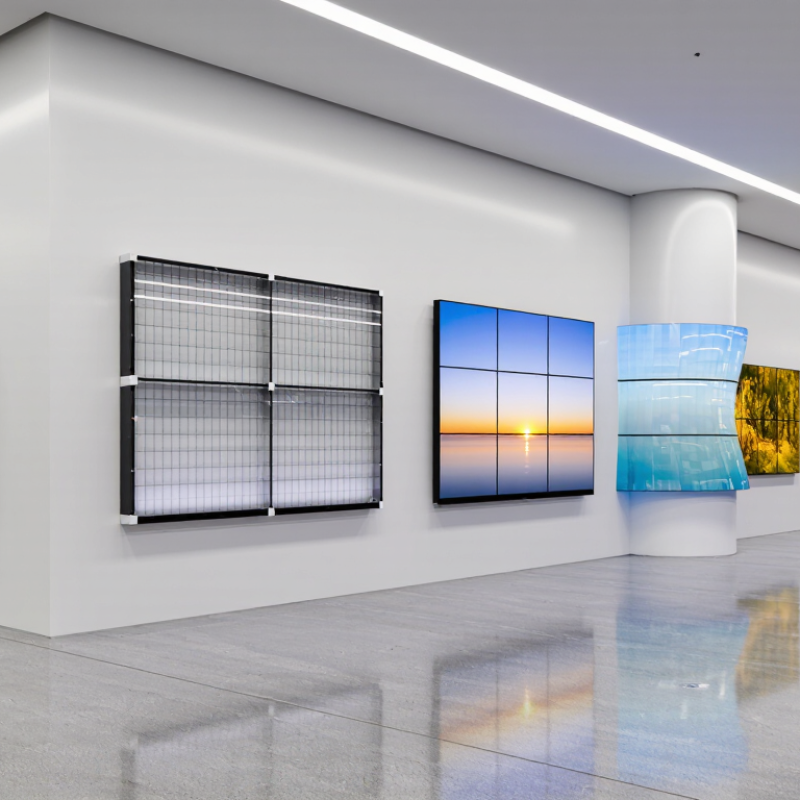
Design also separates fixed, rental, transparent, and flexible panels.
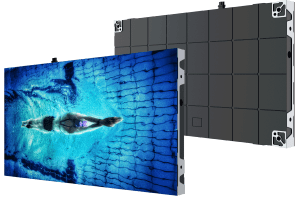
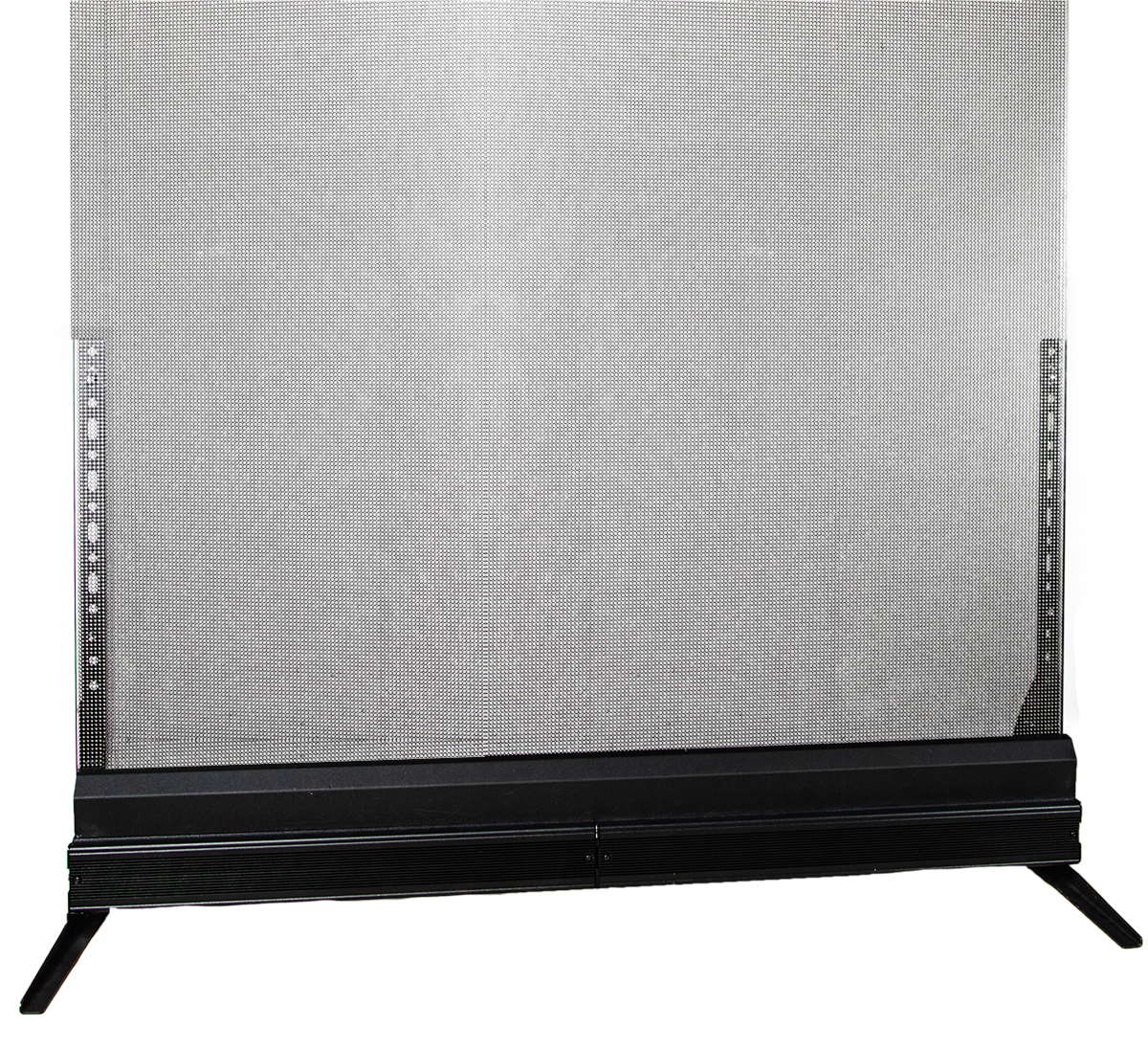
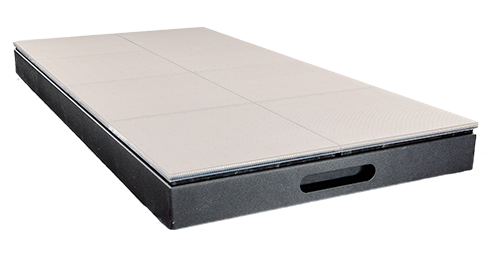
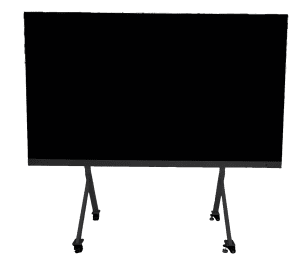
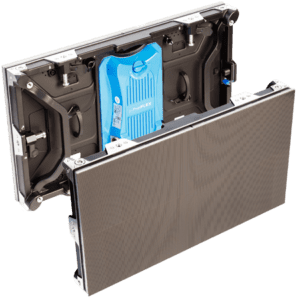
Fixed panels suit permanent installations, such as a retail display or control room. Rental panels are made for frequent assembly and transport; practical details include cabinet weight, locking hardware, and front or rear service access. Transparent panels allow light through a window, while flexible modules can follow curved surfaces. These categories can overlap, which makes comparisons less tidy than they appear.
Use helps narrow the choice.
A conference room may need clear small text at close range, while a large event screen may prioritize brightness and quick setup. Pixel pitch, viewing distance, refresh rate, and maintenance access all affect performance. A finer pitch is not automatically better if viewers stand far away. It can also increase cost and system demands. Measure the space and test content at the intended distance before choosing.
Indoor LED Wall Panels for Close-Viewing Environments
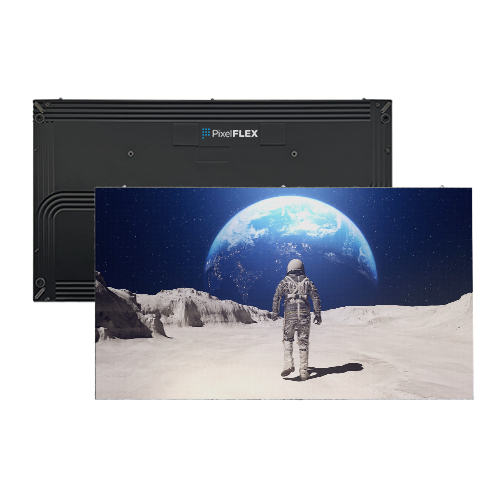
Indoor LED wall panels for close-viewing environments need a fine pixel pitch, so individual pixels are less noticeable from a short distance. The right pitch depends on the nearest viewer, screen size, and content. A showroom displaying product details may need more resolution than a lobby showing large text and slow-moving graphics. Finer pitch can improve image clarity, but it also raises cost and may complicate maintenance.
Check more than resolution. A stable refresh rate helps reduce visible flicker, especially when people record the screen with phones. Consistent brightness and color matter too; mismatched modules can create faint patches across a pale background. Small details matter. Ask how the wall performs at its intended brightness, not only at its brightest setting. Excessive brightness can cause eye strain in a dim room.
Installation quality shapes the viewing experience. Flush panel alignment helps prevent visible seams, while accessible rear or front servicing can make repairs less disruptive. A neutral gray test image can reveal uneven color. Inspect it from the closest seat. There is no universally best configuration, and specifications alone cannot predict every room. Reflections from windows, nearby lighting, and the content itself may change what viewers notice. A real-world viewing test is useful, though it can be easy to overlook these details during planning.
What Are the Top Types of LED Wall Panels? — Indoor LED Wall Panels for Close-Viewing Environments
| Panel Type |
Common Pixel Pitch |
Approximate Close-Viewing Distance |
Key Characteristics |
Typical Indoor Uses |
| Fine-Pitch SMD LED |
About 1.2–2.5 mm |
Roughly 1.2–2.5 m or more |
Uses surface-mounted red, green, and blue LEDs. Offers a balanced combination of image detail, brightness, and serviceability. |
Meeting rooms, control rooms, retail displays, and indoor presentation walls |
| Ultra-Fine-Pitch SMD LED |
About 0.9–1.2 mm |
Roughly 0.9–1.2 m or more |
Higher pixel density supports sharper images at shorter distances. Installation and maintenance generally require careful handling. |
Compact conference rooms, premium showrooms, and close-viewing display areas |
| Fine-Pitch COB LED |
About 0.7–1.5 mm |
Roughly 0.7–1.5 m or more |
LED chips are mounted directly on the board and covered by a protective layer. The surface can be more resistant to dust and incidental contact than exposed LED packages. |
Control rooms, interactive displays, and spaces where viewers stand close to the screen |
| GOB-Protected Fine-Pitch LED |
Often about 1.2–2.5 mm |
Depends on the underlying pixel pitch |
A transparent protective layer is applied over an LED display module. GOB is a protection process, not a separate pixel-pitch category, and may improve resistance to dust or impact. |
Public indoor areas, interactive walls, and installations needing additional surface protection |
| Standard-Pitch Indoor SMD LED |
About 2.5–4.0 mm |
Roughly 2.5–4 m or more |
Typically provides a lower cost per display area than finer-pitch options, but individual pixels may be more noticeable from nearby positions. |
Auditoriums, event spaces, lobbies, and larger rooms viewed from farther away |
Viewing-distance note: These figures are practical estimates, not fixed standards. The suitable distance depends on content, eyesight, brightness, and viewing conditions; compare panels in person when possible.
Outdoor LED Wall Panels for Bright and Weather-Exposed Settings
What Are the Top Types of LED Wall Panels?
Outdoor LED Wall Panels for Bright and Weather-Exposed Settings
Outdoor LED wall panels are built for sunlight, rain, dust, and changing temperatures. Brightness matters, but a high luminance rating alone cannot guarantee readable content. Check the display from the real viewing distance and angle, especially where sunlight strikes the screen directly. Ask for luminance figures in cd/m² and confirm that automatic brightness control suits the site. At dusk, excessive brightness can feel harsh. Details matter.
Weather protection needs equally careful checking. IEC 60529 defines IP65 as dust-tight and protected against water jets; it does not indicate that a panel can withstand immersion. For physical impacts, IEC 62262 classifies IK08 as resistance to 5 joules of impact energy. These ratings describe specific tests, not every outdoor condition. Salt air, standing water, heat trapped behind the cabinet, and poor cable sealing can still cause trouble. A tidy specification sheet may leave those risks unstated. Review the installation plan, drainage, ventilation, and maintenance access, then check the manufacturer’s test documentation. A site inspection after installation is useful, too. Small gaps around a cable entry can matter more than expected.
Fine-Pitch LED Panels for High-Detail Displays
Fine-pitch LED panels are built for viewers who stand close to the screen. Their tightly spaced pixels help render small text, facial details, and smooth color gradients with less visible pixel structure. A panel with a 1.2-millimeter pixel pitch, for example, can suit a control room or premium indoor display better than a coarser-pitch wall. The right choice still depends on viewing distance. Very fine pitch may add cost without a clear benefit when audiences watch from far away.
Pixel density is only part of the picture. Check brightness, refresh performance, color consistency, and how easily technicians can access modules for service. In a bright lobby, a highly detailed image can still look washed out if brightness is too low. Conversely, excessive brightness may cause eye strain in a dim room. Calibration matters, too: mismatched panels can show visible shifts across a large image. Ask to view content at the intended distance, including small type and moving footage. Real conditions reveal more than a specification sheet. Some installation details are easy to overlook, and that can be frustrating. Good planning considers cable routes, ventilation, and room lighting before the wall is installed.
Specialty LED Panels: Transparent, Flexible, and Rental Types
Transparent LED panels suit spaces where a solid display would block too much of the view. Their open structure can preserve sightlines through storefront glass or event spaces. The trade-off is visible: more transparency may mean less image detail or brightness. Check pixel pitch, viewing distance, and ambient light before choosing a panel. Daylight can wash out fine content. Test a sample in the actual space when possible.
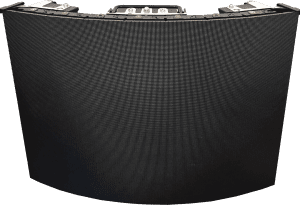
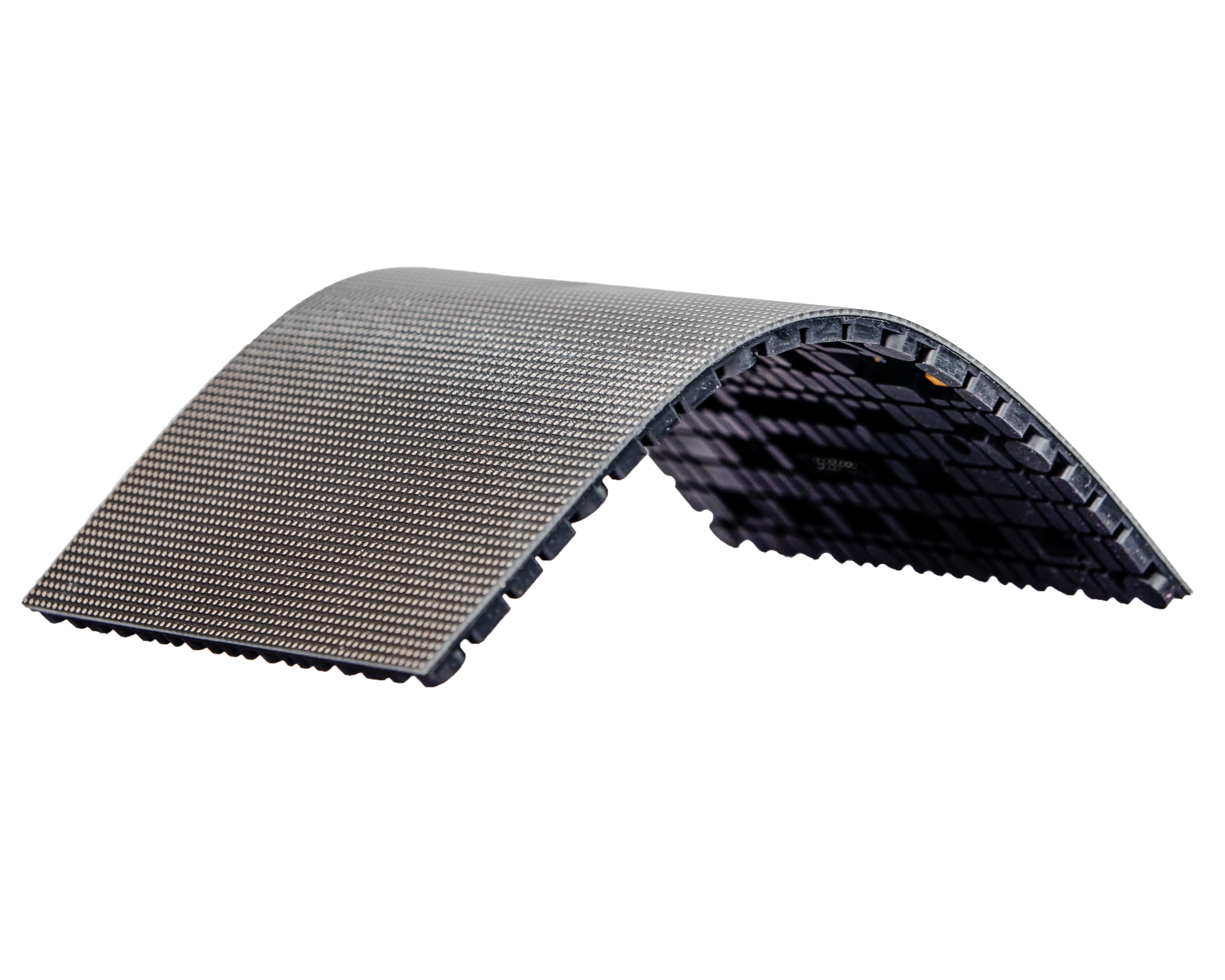
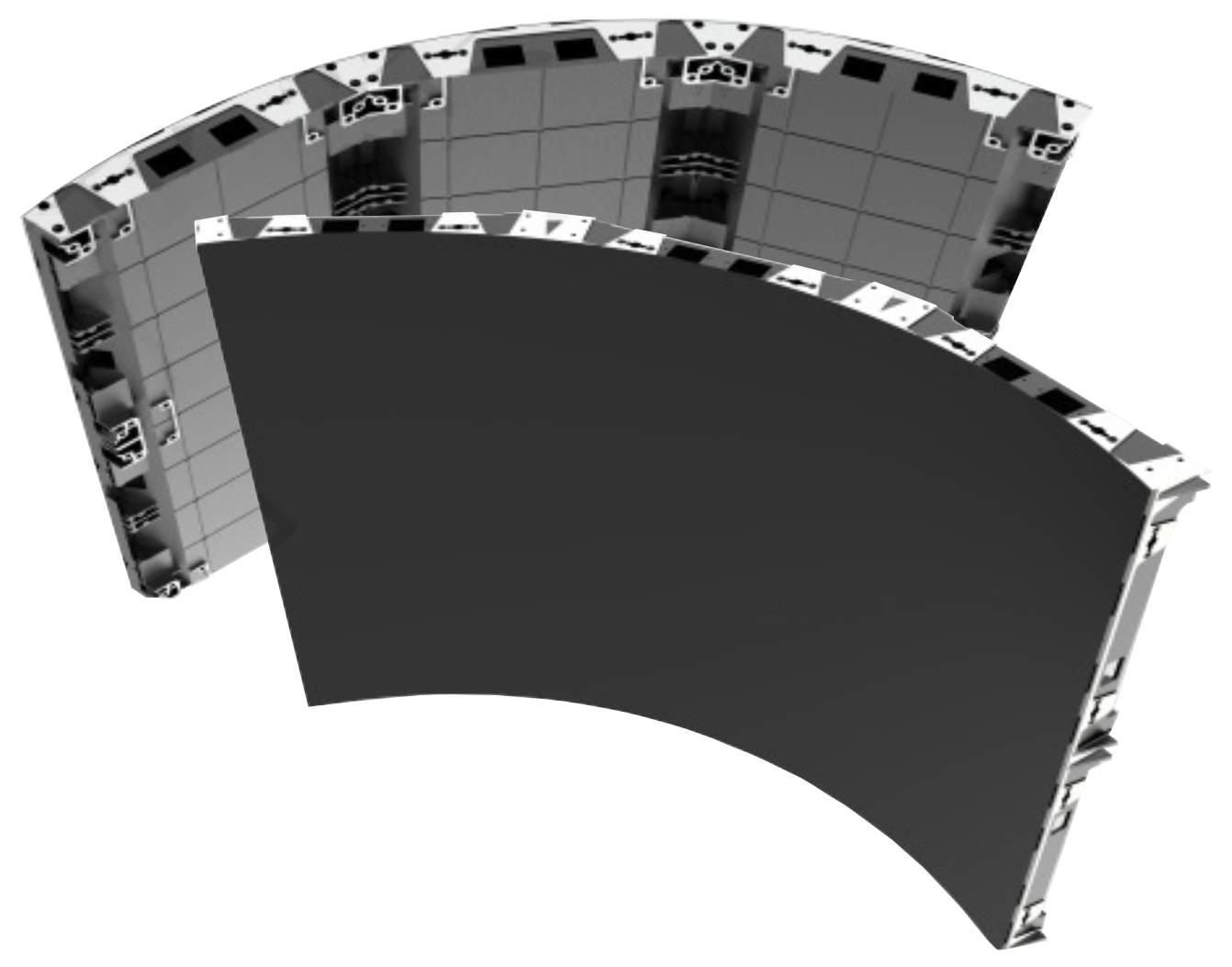
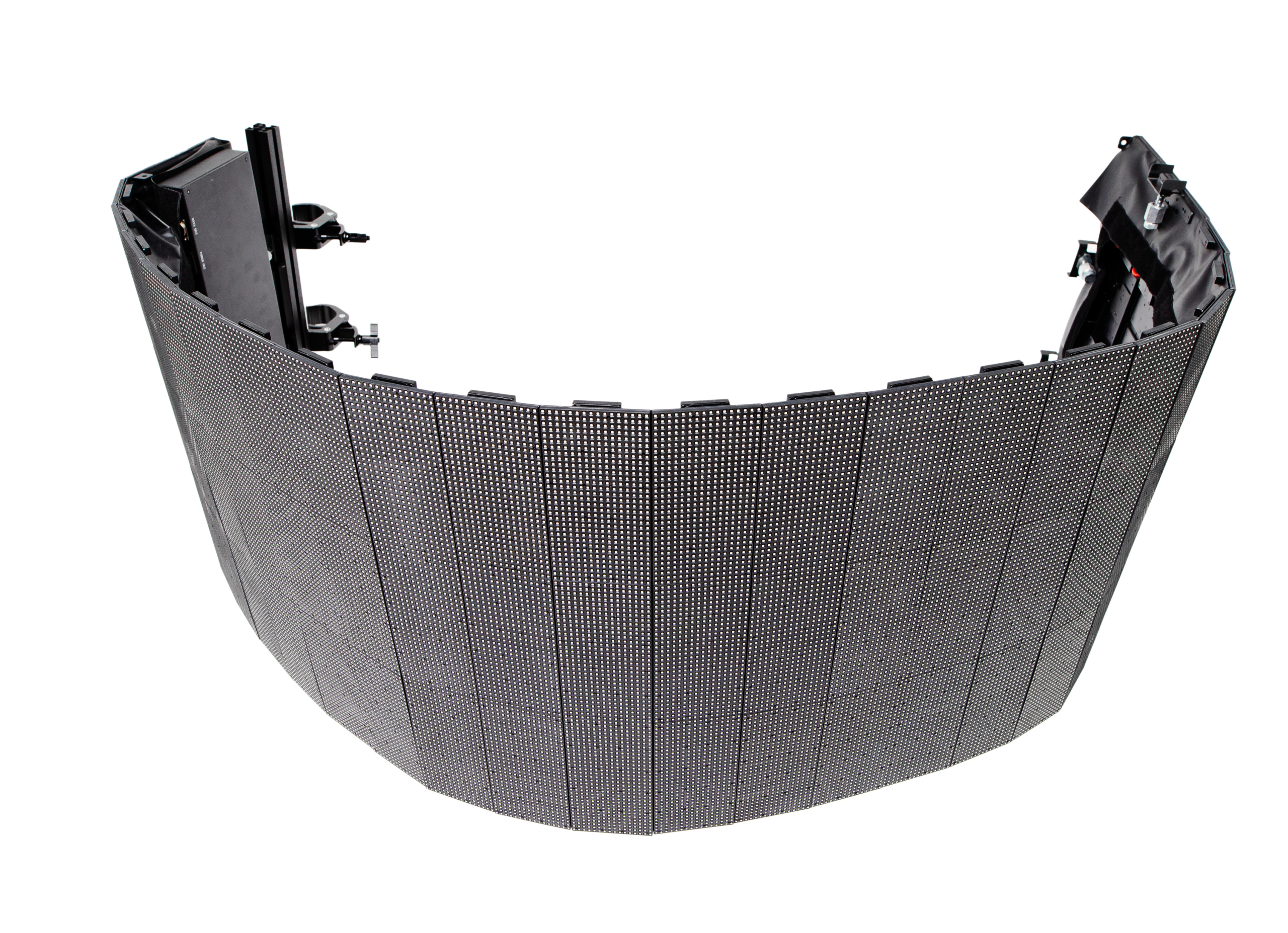
Flexible LED panels can follow gentle curves around columns, stages, or sculpted walls. They are not meant to bend without limits. Confirm the rated bend radius and mounting method, then keep pressure off the display surface during installation. Seams matter. A curved screen may look seamless in a rendering, yet small alignment gaps can show clearly on camera. That detail is easy to underestimate.
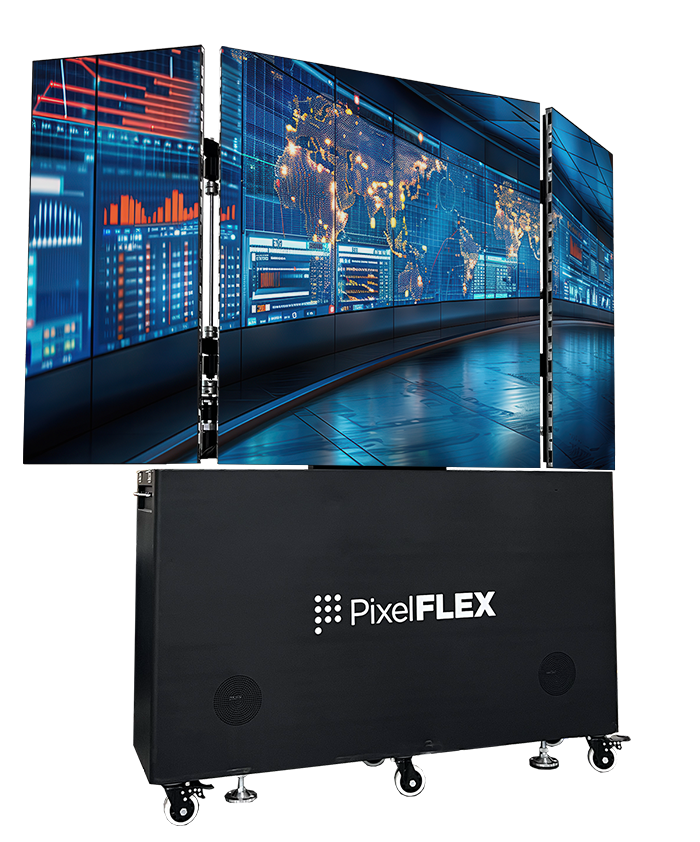
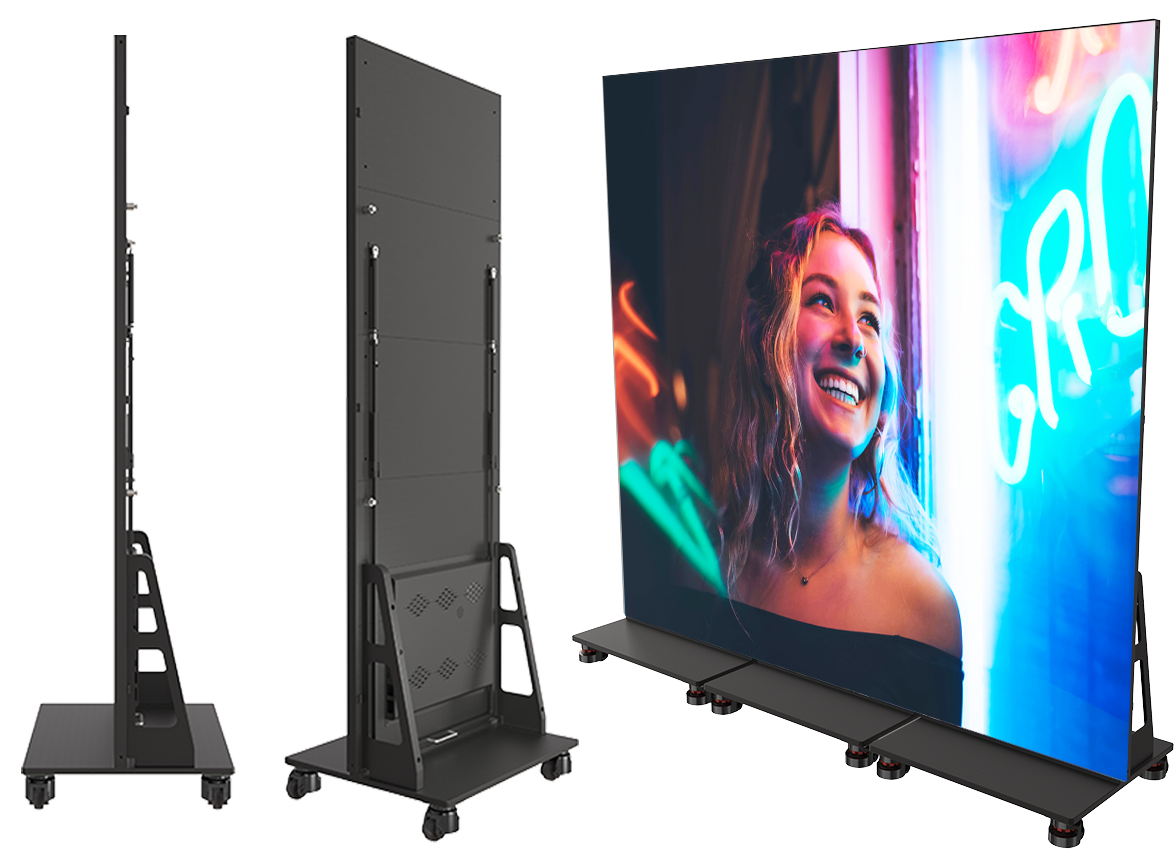
Rental LED panels are built for repeated setup and teardown. Lightweight cabinets, secure connections, and accessible service points can reduce work between events. Inspect locks, cables, and modules before each use, especially after transport. For camera-facing stages, test refresh behavior with the intended cameras. A quick test saves trouble. Still, rental gear varies in age and condition, so a checklist cannot replace a careful visual inspection.
Specialty LED Panels: Typical Pixel-Pitch Ranges
Typical pixel-pitch ranges for transparent, flexible, and rental LED panels, in millimeters. Smaller pitches generally suit closer viewing distances.
Ranges are representative examples, not fixed standards. Available pitches vary by product, viewing distance, and installation requirements.


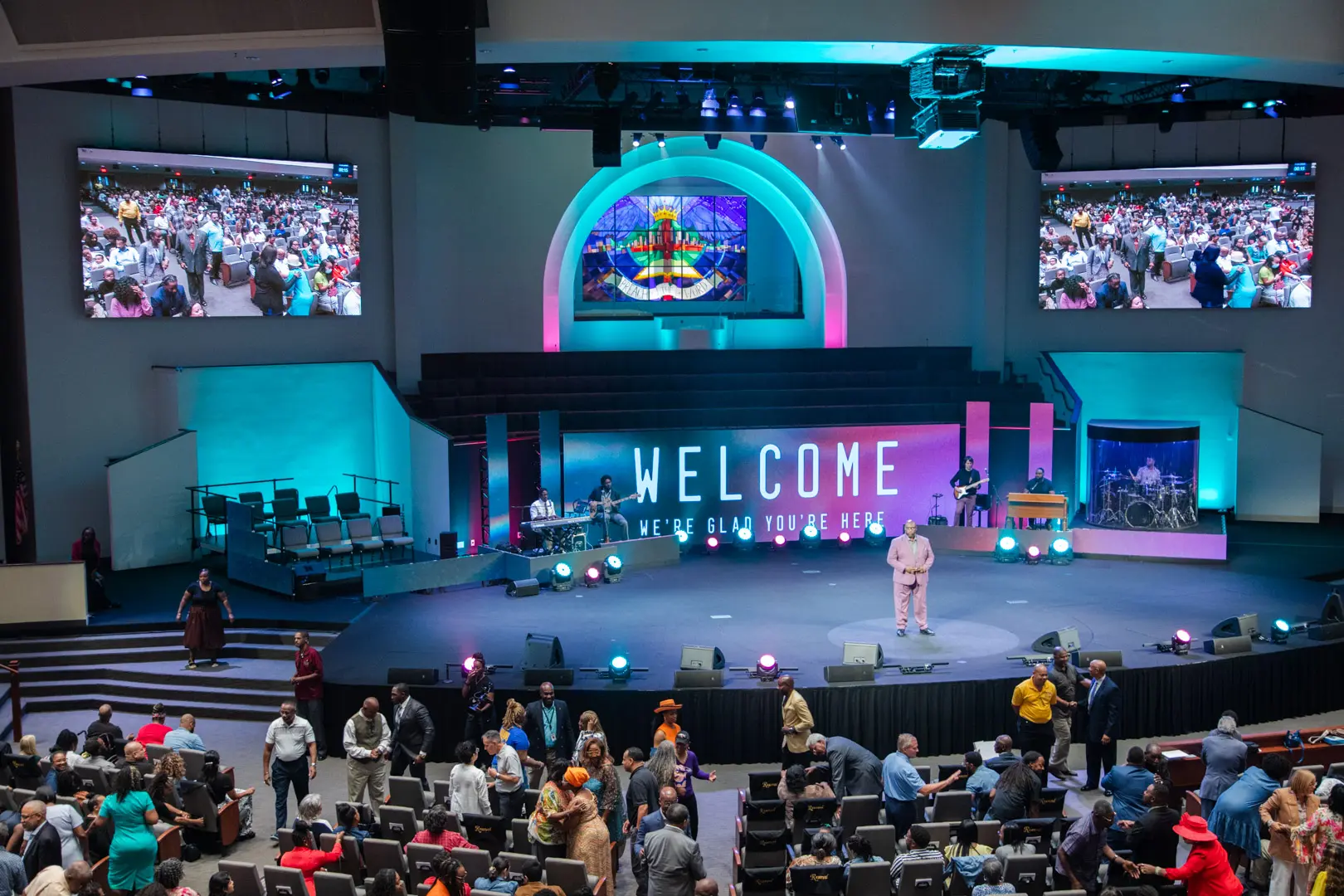
 House of Worship
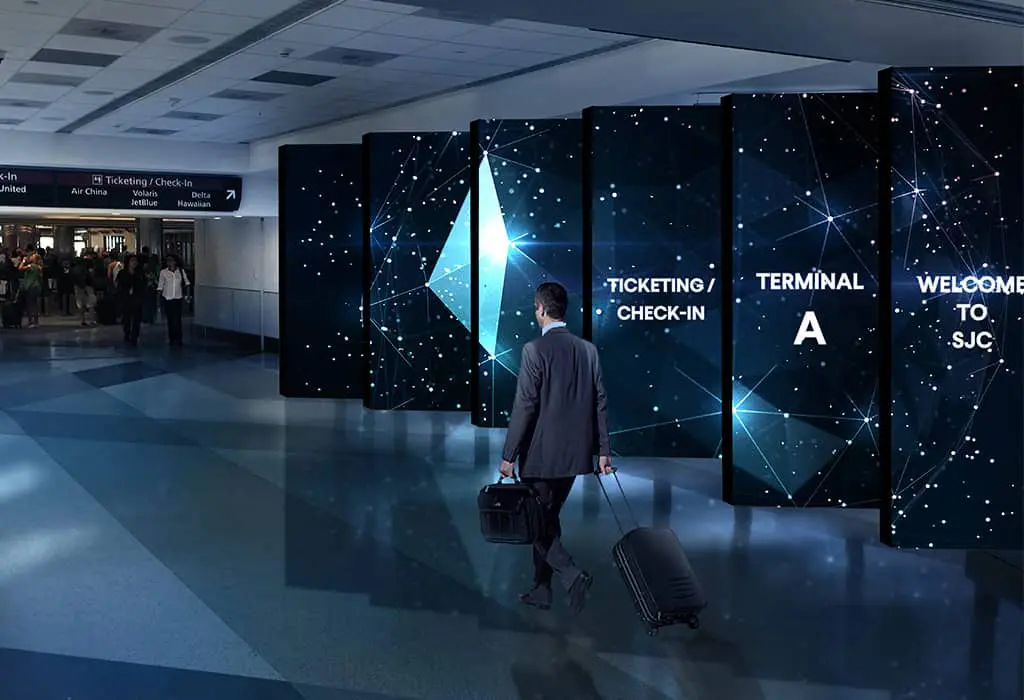
 Transportation
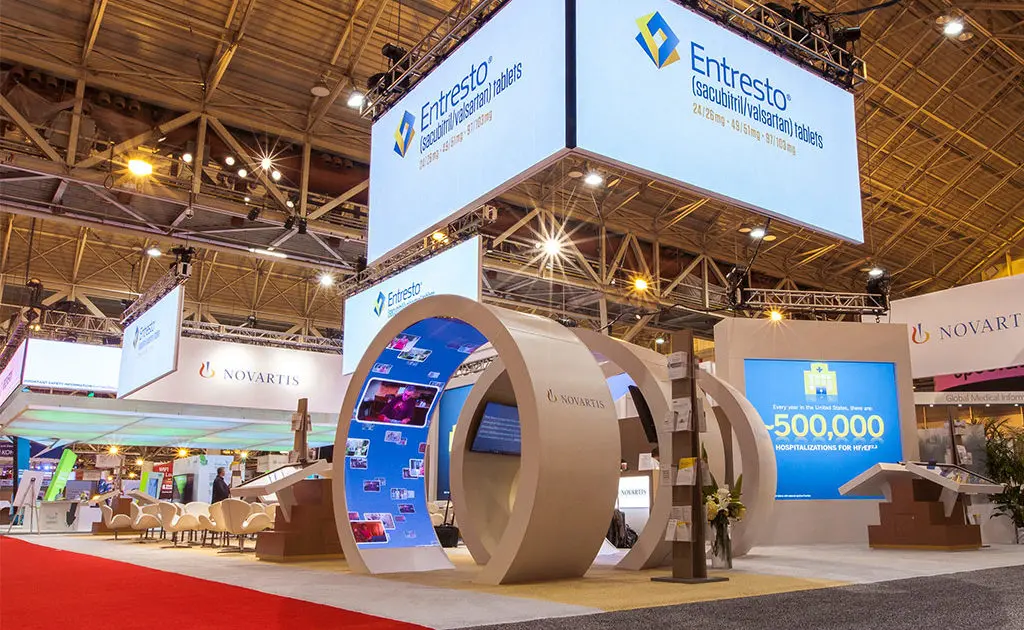
 Trade shows led display
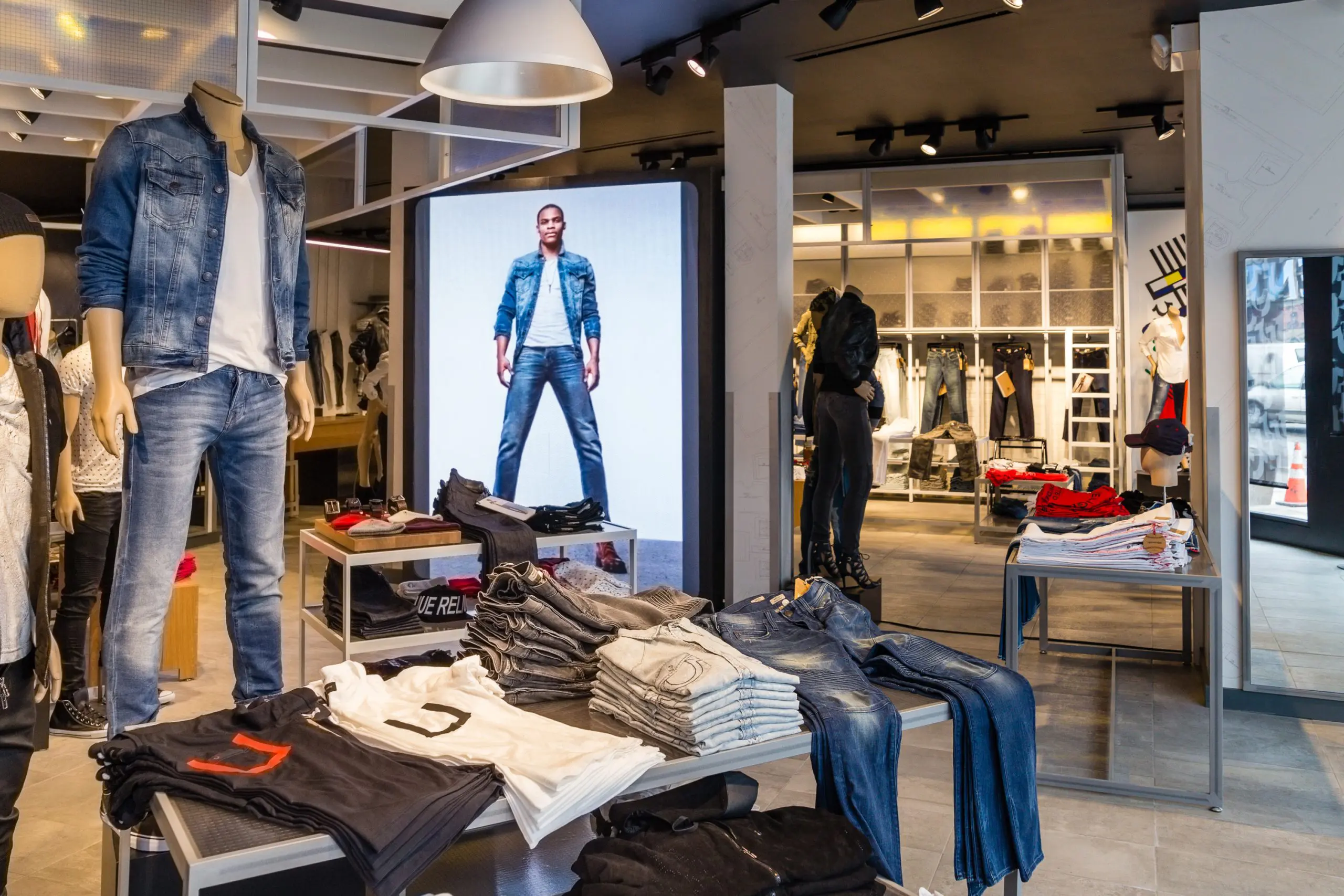
 retail
 Creative Led Solutions
 Hospitality
 Higher Education
 Corporate LED